Passa al contenuto principale 🔍 Cerca
Logo ItalyTrade
Cerca in tutte le lingue
👇✍️ Scrivi qui sotto la tua ricerca

🗺️Itinerario Consigliato
✉️ Richiedi il tuo Itinerario Personalizzato
🏨 Prezzi Indicativi ▼
🏨
Verifica prezzi reali su Google Hotels Confronta le offerte live di Booking, Expedia, Hotels.com
Cerca su Google Hotels

🎭Attrazioni ed Esperienze

🇮🇹Eccellenze Made in Italy

💒Location per Matrimoni

🏠Immobili nella Zona

📰Articoli su ItalyTrade.org

★★★★★

Your opinion matters to us!

Enjoying your experience on ItalyTrade.org? Please take a moment to leave us a review on Trustpilot and let us know how we're doing.

Write a Review (opens in a new window)

Welcome to ItalyTrade!

Official Website: ItalyTrade.org — Travel & Business | Made in Italy

“Turning Italian excellence into global visibility in the age of Artificial Intelligence”

Enter your email to save your address in this browser and dismiss this notice:

Copyright © 2026 Giuseppe Baldassarri. All rights reserved.

Vai al contenuto

Riviera del Corallo in Sardegna

Maggio 4, 2026
Riviera del Corallo in Sardegna
Storia Luoghi Cucina Itinerario FAQ
✈ Viaggio su misura
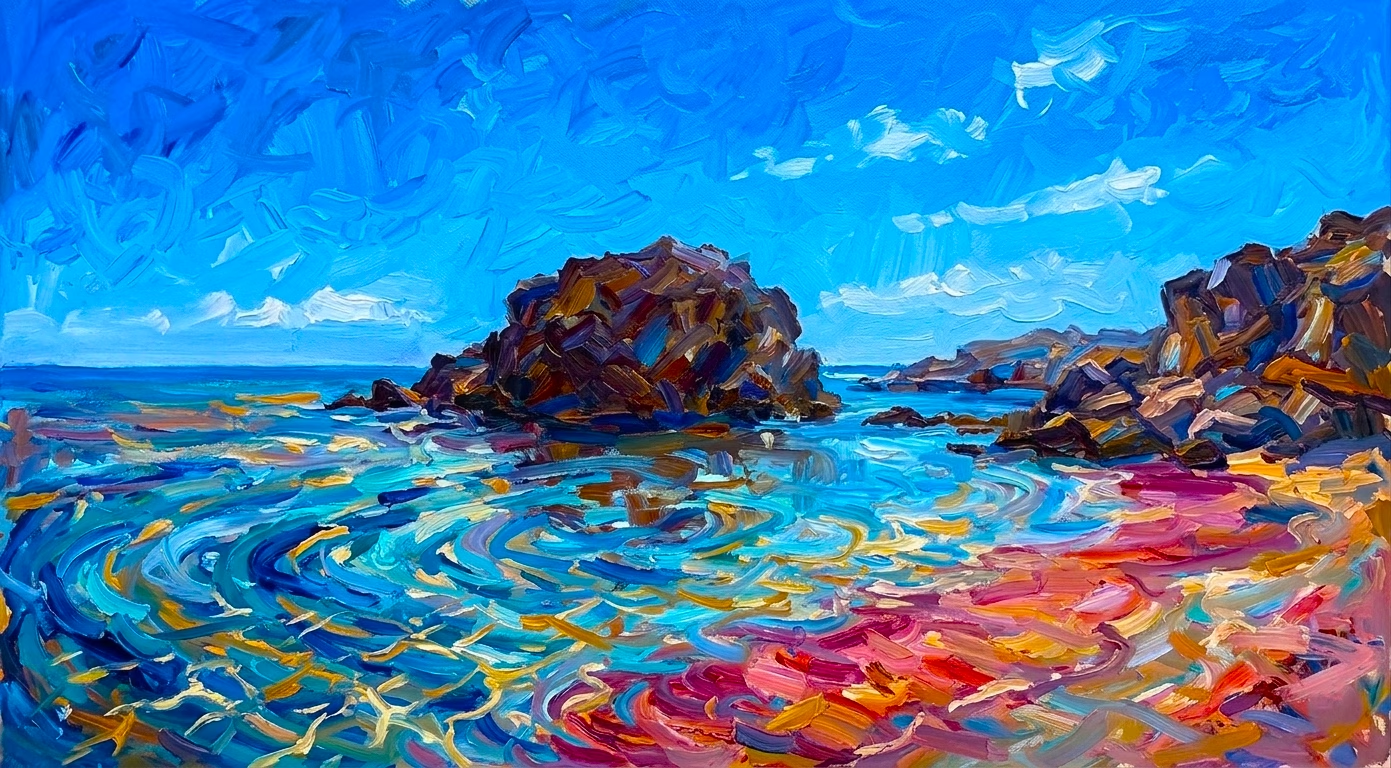
Riviera del Corallo in Sardegna — mare cristallino e scogliere rosse

Riviera del Corallo in Sardegna

Alghero · Coralli rossi · Mare cristallino · Tradizioni catalane

📈 Trending oggi — Riviera del Corallo

Voli per Alghero estate 2026 ai massimi — la Riviera del Corallo è tra le mete sardé più ricercate su Google questa primavera. Snorkeling, coralli rossi e gastronomia catalana in primo piano.

#RivieraDelCorallo #Alghero #SardegnaMare #CoralloRosso 🔥 #AlgheroVibes
Viaggio su misura in Sardegna
La storia

Il mare ha un colore che non dimentichi

C’è un momento, navigando lungo la Riviera del Corallo, in cui il mare smette di essere semplicemente bello e diventa qualcosa di diverso: una promessa. L’acqua vira dal turchese al blu cobalto, le scogliere si tingono di rosso per il corallo che cresce sottotraccia, e Alghero sorge laggiù, con i suoi campanili e le sue mura medievali che sembrano galleggiare sull’acqua. Sei in Sardegna, ma le voci che senti profumano di Catalogna, di Spagna, di un crossover culturale unico in tutta l’Italia.

Questo tratto di costa nordoccidentale della Sardegna, fra Alghero e il Capo Caccia, custodisce uno dei tesori più preziosi del Mediterraneo: il Corallium rubrum, il corallo rosso nobile, raccolto qui da secoli e trasformato in gioielli di fama mondiale. Ma la Riviera del Corallo è molto più di un brand: è un territorio di biodiversità marina eccezionale, di grotte spettacolari, di fondali che sembrano dipinti, di una città che parla ancora catalano e cucina aragoste con la stessa dedizione di 500 anni fa.

Identità unica

Perché la Riviera del Corallo è unica nel Mediterraneo

La Riviera del Corallo si distingue per una sovrapposizione rarissima di eccellenze: naturalistica, storica, culturale e gastronomica. Poche mete in Italia possono vantare contemporaneamente un sito UNESCO sommerso, una città medievale catalanofona, riserve marine di primo livello e una tradizione artigianale del corallo che risale al XV secolo.

🪸 Corallo Rosso Nobile

Il Corallium rubrum del Golfo di Alghero è il più pregiato del Mediterraneo. I gioielli di corallo algherese sono riconosciuti a livello internazionale.

🏰 Eredità Catalana

Alghero è l’unica città italiana dove si parla ancora un dialetto catalano vivo, l’alguerès, retaggio della dominazione aragonese del 1354.

🌊 Grotte di Nettuno

Accessibili dal mare o dalla Escala del Cabirol (656 gradini), le Grotte di Nettuno sono tra le più belle caverne marine d’Europa.

🐠 Riserva Marina

L’Area Marina Protetta di Capo Caccia–Isola Piana offre fondali di cristallo con posidonie, cernie, morene e, naturalmente, il corallo rosso.

La regione

Una panoramica della Riviera del Corallo

La Riviera del Corallo si sviluppa lungo circa 80 km di costa nella Sardegna nordoccidentale, nel territorio della Città Metropolitana di Sassari, precisamente nella subregione storica del Logudoro-Meilogu. Il capoluogo è Alghero (circa 44.000 abitanti), città medievale protetta da imponenti mura cinquecentesche, crocevia tra la cultura sarda e quella catalana-aragonese.

Il territorio include anche i comuni di Villanova Monteleone, Ittiri, Uri, Olmedo e Porto Torres. L’entroterra, spesso dimenticato dai turisti, offre boschi di sughere, dolmen nuragici e strade panoramiche che attraversano un paesaggio di roccia calcarea, vigne e oliveti. Il clima è mediterraneo, con estati calde e secche (luglio–agosto fino a 32°C) e inverni miti, ideale per l’outdoor da aprile a ottobre.

Da vedere

Luoghi e siti famosi

Città storiche

Alghero è il cuore della Riviera. Le mura bastionate del XVI secolo, costruite dagli aragonesi, abbracciano un centro storico di straordinaria integrità, con vicoli selciati, chiese gotico-catalane e palazzi signorili. Il Duomo di Santa Maria (avviato nel 1552) mescola stili gotico, rinascimentale e barocco in un eclettismo che racconta secoli di storia. Il Lungomare Dante e il Lungomare Valencia offrono passeggiate panoramiche con vista sulle torri di guardia che si specchiano nel Golfo.

Sassari, a soli 35 km, è la seconda città della Sardegna e ospita il Museo Nazionale Sanna, il più importante museo archeologico dell’isola, con reperti nuragici eccezionali. Il centro storico sassarese, con il palazzo del Comune e la Fontana di Rosello, merita una mezza giornata.

Meraviglie naturali

Le Grotte di Nettuno (Capo Caccia) sono accessibili in battello da Alghero o scendendo i famosi 656 gradini dell’Escala del Cabirol. All’interno, una cattedrale di stalattiti e stalagmiti, con un lago interno di acqua salata dal colore irreale. Patrimonio di fama mondiale.

Il Capo Caccia, promontorio calcareo alto 170 m, è un punto panoramico mozzafiato: dal belvedere si domina l’intero Golfo di Alghero. L’Isola Piana, riserva naturale integrale, e le Spiagge di Le Bombarde, Lido, Mugoni completano un mosaico costiero di rara bellezza.

Nell’entroterra, il Lago Baratz è l’unico lago naturale della Sardegna, circondato da dune di sabbia e boschi di ginepro. Habitat ideale per fenicotteri e aironi in migrazione.

Arte e Architettura

Alghero è una città d’arte a cielo aperto. La Chiesa di San Francesco (XIV secolo), con il suo chiostro gotico-catalano, è uno degli spazi più evocativi della Sardegna. Il Palazzo d’Albis, dove si dice abbia soggiornato Carlo V nel 1541, è oggi sede di esposizioni temporanee.

La Torre di Sulis e le altre torri di guardia delle mura cinquecentesche sono percorribili e offrono viste privilegiate sul mare. Il Museo del Corallo racconta 600 anni di artigianato locale con pezzi unici di gioielleria.

I Borghi più belli

Villanova Monteleone, a 700 m sul livello del mare, è un borgo di pastori con una vista straordinaria sull’entroterra sardo. Famoso per i costumi tradizionali e la tessitura artigianale.

Ittiri, nel cuore del Meilogu, conserva un centro storico di case in trachite rossa, una chiesa romanica e una forte identità culturale legata ai balli sardi e al muretto a secco. Olmedo, in posizione collinare tra vigneti di Vermentino, è perfetto per un itinerario enologico nell’entroterra della Riviera.

Gastronomia

Cucina: un viaggio culinario tra mare e tradizione catalana

Piatti regionali

La cucina della Riviera del Corallo è un ponte tra Sardegna e Catalogna. L’aragosta alla catalana — bollita e condita con cipolla, pomodoro, olio d’oliva e succo di limone — è il piatto simbolo di Alghero, imprescindibile in qualsiasi visita. Altrettanto celebri sono gli spaghetti alle vongole con bottarga di muggine e i ricci di mare freschi su bruschetta, serviti direttamente al porto.

Nell’entroterra si trovano i sapori più antichi: la zuppa gallurese (pane raffermo, brodo di pecora, formaggio), i malloreddus al ragù di maiale, il porceddu (maialino da latte arrosto) e il pecorino sardo stagionato. I dolci tipici includono le seadas (frittelline di pasta con formaggio, miele e limone) e le pardulas al formaggio fresco, tipiche della Pasqua.

Vino e prodotti locali

Il territorio produce alcuni dei migliori vini bianchi d’Italia. Il Vermentino di Sardegna DOC, coltivato nelle colline intorno a Olmedo e Alghero, è aromatico, minerale e perfetto con il pesce. La Torbato, vitigno di origine catalana presente solo ad Alghero, produce bianchi strutturati e longevi, vera rarità enologica. Il Cannonau — il rosso sardo per antonomasia, dalle proprietà antiossidanti celebrate dalla scienza — è il compagno ideale delle carni alla brace dell’entroterra.

Cultura

Tradizioni e festival

Eventi tutto l’anno

🎭 Carnevale di Alghero (Feb)

Maschere, carri allegorici e sfilate in costume che mescolano tradizioni sarde e spagnole.

🌊 Coral Night (Giu)

Festival notturno sul lungomare dedicato al corallo e ai gioielli artigianali. Musica, arte e degustazioni.

🎇 Estate Musicale (Lug–Ago)

Concerti nel chiostro di San Francesco e nelle piazze storiche di Alghero. Jazz, classica e musica sarda.

⛵ Regata del Corallo (Set)

Competizione velica internazionale nel Golfo di Alghero, seguita da migliaia di appassionati.

Feste tradizionali

La Sagra del Pesce di agosto trasforma il porto di Alghero in un banchetto a cielo aperto, con aragosta, polpo e frittura di paranza gratuiti per tutti i presenti. A settembre, la Festa di Sant’Agostino è l’occasione per vedere i costumi tradizionali algheresi, con la caratteristica influenza catalana nei ricami d’oro e nei gioielli di corallo.

Nei borghi dell’entroterra, le feste patronali estive (giugno–settembre) mantengono vive le launeddas (strumento a fiato sardo, Patrimonio UNESCO), le danze tradizionali e il rito della sartiglia negli angoli meno turistici della provincia.

Vivere qui

Il fascino dello stile di vita sulla Riviera del Corallo

La vita ad Alghero segue un ritmo slow che la rende irresistibile per chi vuole disconnettersi. Le mattine profumano di ensaïmada e caffè nelle pasticcerie del centro storico, i pomeriggi invitano alla siesta o allo snorkeling nelle calette, le serate si allungano intorno a un tavolo sul lungomare con aragoste e vino bianco gelato. La comunità locale è accogliente, orgogliosa della propria identità bilingue sardo-catalana, e il tasso di criminalità è tra i più bassi d’Italia.

Per chi sceglie di fermarsi più a lungo, la Riviera del Corallo offre una qualità della vita eccezionale: scuole di immersione certificate, centri di windsurf e kite, mercati biologici settimanali, e una scena culturale sorprendentemente vivace per una città di medie dimensioni. La digitalizzazione del territorio ha favorito l’arrivo di nomadi digitali, attratti da connessioni in fibra e spazi di coworking affacciati sul mare.

Itinerario

Itinerario giorno per giorno — 5 giorni sulla Riviera del Corallo

Giorno 1 — Alghero: mura, bastioni e tramonto sul mare

Arrivo ad Alghero (aeroporto Fertilia, 12 km). Passeggiata lungo le mura bastionate, visita al Duomo di Santa Maria e alle Torri medievali. Aperitivo al tramonto sulle mura con vista sul Golfo. Cena con aragosta alla catalana nel porto storico.

🔗 Cosa fare in Sardegna — ItalyTrade.org

Giorno 2 — Grotte di Nettuno e Capo Caccia

Escursione in battello (1h) fino alle Grotte di Nettuno. Visita guidata alle stalattiti e al lago sotterraneo. Risalita per l’Escala del Cabirol (656 gradini). Picnic al belvedere di Capo Caccia. Pomeriggio snorkeling nella riserva marina.

🔗 Vacanze nella natura in Italia — ItalyTrade.org

Giorno 3 — Spiagge e corallo

Mattina alla Spiaggia di Le Bombarde (sabbia bianca, acqua cristallina). Pomeriggio: visita al Museo del Corallo di Alghero e acquisto di gioielli artigianali certificati. Sera: cena di pesce nel porto vecchio.

Giorno 4 — Entroterra: Villanova Monteleone e vigne di Vermentino

Partenza mattutina verso Villanova Monteleone (700 m slm). Visita al centro storico e incontro con artigiani tessili. Pranzo in agriturismo con porceddu e Cannonau. Pomeriggio nelle cantine di Olmedo per degustazione di Torbato e Vermentino.

Giorno 5 — Lago Baratz e partenza

Mattina al Lago Baratz e alle dune di Porto Ferro: birdwatching tra fenicotteri e aironi. Pausa al mercato biologico di Alghero per acquistare bottarga, pecorino e miele di cardo. Trasferimento aeroporto.

🔗 Prodotti tipici italiani — ItalyTrade.org

Pianifica il viaggio

Quanti giorni, dove alloggiare e periodo migliore

Periodo migliore: maggio–giugno e settembre–ottobre per la migliore combinazione di clima, mare balneabile e folla contenuta. Luglio e agosto sono i mesi di punta: prezzi alti, prenotazioni necessarie con mesi di anticipo, ma festival ed eventi al massimo. Aprile è ideale per escursioni e trekking costiero senza caldo eccessivo.

Durata consigliata: minimum 4 giorni per Alghero e dintorni immediati; 7–10 giorni per combinare la Riviera del Corallo con Costa Smeralda, Sassari e le nuraghi del Logudoro.

Prezzi soggiorno per tipologia

B&B / Affittacamere €60–110

a notte, bassa stagione (apr–giu, set–ott)

B&B / Affittacamere €90–160

a notte, alta stagione (lug–ago)

Hotel 3 stelle €110–180

a notte, bassa stagione

Hotel 3 stelle €170–280

a notte, alta stagione

Resort 4–5 stelle €250–450

a notte, bassa stagione

Resort 4–5 stelle €400–900

a notte, alta stagione

Made in Italy locale

Prodotti di eccellenza Made in Italy della Riviera del Corallo

🪸 Corallo Rosso Nobile

Gioielli e oggetti artigianali in Corallium rubrum, certificati e tracciabili. Massima concentrazione di artigiani orafi nel centro storico di Alghero.

🍷 Vermentino di Sardegna DOC

Vino bianco aromatico e minerale, perfetto con il pesce. Le cantine di Olmedo e Alghero producono alcune delle etichette più premiate.

🍷 Torbato di Alghero DOC

Vitigno catalano unico in Sardegna. Bianco strutturato e longevo, rarità assoluta dell’enologia italiana.

🧀 Pecorino Sardo DOP

Stagionato in cantine di pietra, con profumi intensi di erbe aromatiche mediterranee. Presidio Slow Food.

🐟 Bottarga di Muggine

Le uova essiccate di muggine, grigliate o grattugiate sulla pasta, sono la “tartufo del mare” della Sardegna.

🧺 Tessuti tradizionali

Arazzi e tappeti di lana lavorati a mano dalle artigiane di Villanova Monteleone: motivi geometrici identitari della cultura sarda.

Luxury Wedding

Location per matrimoni sulla Riviera del Corallo

La Riviera del Corallo offre scenari da favola per cerimonie esclusive. Le mura bastionate di Alghero al tramonto, il chiostro gotico di San Francesco, le ville padronali tra vigne di Vermentino e le residenze fronte mare creano un contesto di romanticismo mediterraneo autentico.

La combinazione di paesaggio marino eccezionale, cucina d’autore (aragoste, vini DOC, formaggi DOP), artigianato del corallo per bomboniere uniche e servizi di alto livello rende la Riviera una delle destinazioni wedding emergenti del Mediterraneo. Le cerimonie civili possono tenersi direttamente sulla terrazza del Comune di Alghero, con panorama sul Golfo.

🔗 Scopri i servizi Luxury Wedding ItalyTrade.org

Real Estate

Immobiliare di Lusso sulla Riviera del Corallo

Il mercato immobiliare della Riviera del Corallo è in costante crescita, trainato da acquirenti italiani (Milano, Roma) e stranieri (Germania, Svizzera, Francia, USA). Alghero offre un’offerta variegata: appartamenti nel centro storico medievale, ville fronte mare sulla Costa del Corallo, tenute vitivinicole nell’entroterra di Olmedo e residenze panoramiche sulle colline con vista sul Golfo di Alghero.

I prezzi partono da circa €3.500/mq per appartamenti nel centro storico di Alghero e possono raggiungere €12.000–18.000/mq per ville di lusso fronte mare con accesso diretto alla spiaggia. L’area è particolarmente attrattiva per investitori che cercano proprietà a reddito nel segmento degli affitti luxury, con rendimenti netti del 5–8% annuo in alta stagione.

🔗 Immobiliare di Lusso in Sardegna — ItalyTrade.org

Dove mangiare

Ristoranti per tipologia

🦞 Pesce e Seafood

Ristoranti specializzati in aragosta alla catalana, spaghetti ai ricci, frittura di paranza. Concentrati nel porto storico di Alghero, con vista sul mare.

🥩 Cucina tradizionale sarda

Porceddu, malloreddus, pecorino e cannonau in trattorie dell’entroterra. Atmosfera autentica, prezzi contenuti, porzioni abbondanti.

🍽 Gourmet / Stellati

Chef che reinterpretano la cucina sardo-catalana con tecniche contemporanee. Menù degustazione con abbinamenti Vermentino e Torbato.

🌿 Agriturismi

Fattorie bio che offrono pranzi a km zero tra vigneti e oliveti: formaggio fresco, miele, salumi e vino prodotti in loco.

🍕 Pizzerie e trattorie

Locali informali nel centro di Alghero, ideali per famiglie, con pizza al forno a legna e pasta artigianale a prezzi accessibili.

☕ Bar e pasticcerie

Colazione con ensaïmada (dolce catalano), mirto e formaggi. Aperitivo al tramonto sulle mura con vini locali e tapas di ispirazione spagnola.

Analisi visitatori

Profilo dei visitatori — Customer Personas

👥 Personas
Coppie (25–45 anni) — 35%
Famiglie con figli — 25%
Over 50 (Cultura/Relax) — 20%
Giovani (18–30, Adventure) — 12%
Business/Wedding — 8%
Statistiche

Statistiche presenze turistiche

0 Arrivi/anno (Alghero)
0 Presenze/anno
0 Notti medie soggiorno
0 % Turisti stranieri
0 % Turisti italiani
0 Strutture ricettive
Provenienza

Da dove vengono i visitatori?

Italiani per regione

Lombardia22%
Lazio18%
Piemonte12%
Campania9%
Toscana8%
Altre regioni31%

Stranieri per lingua

🇩🇪 Tedesco28%
🇬🇧 Inglese22%
🇫🇷 Francese18%
🇨🇭 Svizzero12%
🇪🇸 Spagnolo10%
🌍 Altre lingue10%
Domande frequenti

FAQ — Riviera del Corallo in Sardegna

L’aeroporto di Alghero-Fertilia (AHO) è collegato direttamente a Milano Malpensa, Roma Fiumicino, Bergamo Orio al Serio e numerose città europee con voli low cost (Ryanair, Wizz Air, Volotea). Dista solo 12 km dal centro di Alghero. Alternativamente, il porto di Porto Torres (38 km) è raggiungibile in traghetto da Genova, Civitavecchia e Barcellona.

Maggio–giugno e settembre–ottobre sono ideali: mare balneabile (22–25°C), folla contenuta, prezzi più bassi del 30–40% rispetto all’agosto. Luglio–agosto garantisce il massimo dell’animazione e il clima più caldo (28–32°C), ma richiede prenotazioni anticipate. Aprile è perfetto per trekking e visite culturali.

Assolutamente sì. Alghero è compatta e visitabile a piedi, ma per le Grotte di Nettuno, le spiagge di Porto Ferro e Mugoni, i borghi dell’entroterra e le cantine enologiche è indispensabile un’auto. I prezzi di noleggio all’aeroporto partono da circa €40/giorno in bassa stagione. Il parcheggio in città è disponibile nelle aree esterne alle mura.

Il centro storico di Alghero ha decine di oreficerie con corallo certificato e tracciabile. Chiedere sempre il certificato di autenticità e il documento di provenienza sostenibile (normativa UE 1042/2007). Diffidare dai prezzi troppo bassi: il corallo rosso autentico di qualità parte da €80–150 per i pezzi più semplici.

Sì, la Riviera del Corallo è una delle migliori destinazioni subacquee del Mediterraneo. L’Area Marina Protetta di Capo Caccia–Isola Piana offre fondali spettacolari. Diversi centri di immersione certificati PADI operano ad Alghero, con noleggio attrezzatura e guide per tutti i livelli. Lo snorkeling è possibile liberamente nelle calette di Le Bombarde e Mugoni.

Sì. L’alguerès è un dialetto catalano ancora parlato da una parte della comunità locale, retaggio della colonizzazione aragonese del 1354. I cartelli stradali e molte insegne sono bilingui (italiano-catalano). È un’esperienza culturale unica: entrare in un bar e sentire qualcuno ordinare in catalano a Sassari!

A 35 km, Sassari offre un interessante centro storico e il Museo Nazionale Sanna. A 60 km, il Parco Nazionale dell’Asinara (raggiungibile da Porto Torres) è uno dei parchi naturali più belli d’Italia. Il Nuraghe Palmavera (10 km da Alghero) è uno dei complessi nuragici meglio conservati della Sardegna. Le Grotte di Nettuno, Capo Caccia e il Lago Baratz sono da non perdere.

Conclusione

Abbracciare la cultura italiana sulla Riviera del Corallo

La Riviera del Corallo non è solo una destinazione turistica: è un manifesto di ciò che l’Italia sa offrire nel suo insieme. Un paesaggio marino di bellezza assoluta che convive con una città medievale bilingue, una tradizione artigianale millenaria che non si è mai interrotta, una cucina che racconta la storia di due culture mediterranee fuse in qualcosa di unico. Venire qui significa fare un passo fuori dalle rotte del turismo di massa e dentro un’autenticità che il Mediterraneo ha quasi perso altrove.

Tornando a casa, porterete con voi il sapore dell’aragosta al tramonto, il freddo cristallino delle Grotte di Nettuno, il peso caldo di un gioiello di corallo rosso nel palmo della mano — e la certezza che la Sardegna nordoccidentale ha ancora molto da dire a chi sa ascoltarla.

🔗 Pianifica il tuo viaggio su misura con ItalyTrade.org

Trasparenza editoriale

Chi ha scritto questo articolo? Su quali basi?

📋 Trasparenza e Verificabilità

Chi l’ha scritto: Giuseppe Baldassarri — ItalyTrade.org.
Su quali prove si basa: Fonti verificate e linkate nel testo.
Ci sono altri punti di vista: Sì, indicati dove rilevante.
Possibile interesse nascosto: Nessuno. Contenuto editoriale indipendente.

Giuseppe Baldassarri – ItalyTrade.org

Giuseppe Baldassarri

Sales & Account Manager · Destination & Export Digital Marketing Manager · Travel Designer · TTO

Website: ItalyTrade.org — Travel & Business | Italy: Made in Italy

“Trasformare l’eccellenza italiana in visibilità globale nell’era dell’intelligenza artificiale”

Facebook LinkedIn Instagram TikTok

ItalyTrade.org

Immobiliare di Lusso | Export | Luxury Wedding | Travel Design

IT | EN | NL | FR | DE | ES | ZH | AR

© 2026 — Tutti i diritti riservati ItalyTrade.org

Privacy Policy » Cookie Policy » Termini di servizio » Licenze immagini » Sitemap » Servizi » Recensioni » Contatti » Lavora con noi

Baldassarri Giuseppe Destination & Export Digital Marketing Manager


⭐ Top Activities
Vatican
Museums & Sistine Chapel Ticket
➔
Milan
Cathedral & Duomo's Terraces Ticket
➔
Rome
Colosseum, Roman Forum & Palatine Hill Guided Tour
➔
Rome
Rome: Colosseum Arena Floor, Palatine & Forum Guided Tour
➔
Rome
Rome: Colosseum & Forum with Audio Guide App -Optional Arena
➔
Rome
Vatican Museums, Sistine Chapel & St. Peter's Basilica Tour
➔
Rome
Rome: Colosseum, Forum, Palatine Hill Entry, and Audio Guide
➔
Venice
Venice: Waterbus and Mainland Bus Pass
➔
Rome
Vatican Museums & Sistine Chapel Skip-the-Line Entry Ticket
➔
Florence
Florence: Pasta Cooking Class with Unlimited Wine
➔
Rome
Rome: Vatican Museums, Sistine Chapel & Basilica Tour
➔
Pompei
Pompeii: Entry Ticket and Guided Tour with an Archaeologist
➔
Rome
Rome: Big Bus Hop-on, Hop-off Open-Top Sightseeing Tour
➔
Rome
Rome: Pantheon Entry Ticket and Official Audioguide
➔
Rome
Vatican, Sistine Chapel & St. Peter's Skip-the-Line Tour
➔
Rome
Rome: Colosseum, Forum, Palatine Hill Entry & Audioguide App
➔
Venice
Venice: Doge's Palace Reserved Entry Ticket
➔
Milan
From Milan: Lake Como Private Boat, Bellagio and Lugano
➔
Florence
Florence:Uffizi Gallery Ticket & Audio Guide or Tour Options
➔
Florence
Florence: Michelangelo's David Skip-the-Line Entry Ticket
➔
Rome
Fiumicino Airport (FCO): Shuttle Bus To/From Roma Termini
➔
Florence
Florence: Brunelleschi's Dome Climb Entry Ticket & Duomo
➔
Rome
Rome: Pasta & Tiramisu Class with Fine Wine by the Vatican
➔
Venice
Venice: Grand Canal Gondola Ride with App Commentary
➔
Rome
Rome: Castel Sant'Angelo Entry Ticket & Digital Audioguide
➔
Naples
Naples: Naples Underground Entry Ticket and Guided Tour
➔
Rome
Colosseum, Roman Forum & Palatine Hill Entry and Audioguide
➔
Rome
Fiumicino Airport (FCO): Bus Transfer from/to Rome Termini
➔
Venice
Murano, Burano & Torcello: Half-Day Boat Tour in Venice
➔
Venice
Venice Islands: Murano Glass & Burano Colors Guided Visit
➔
Rome
From Rome: Pompeii, Amalfi Coast, and Sorrento Day Trip
➔
Rome
Rome: Colosseum Access with Official App & Arena Option
➔
Venice
Venice: Bus Transfer between Marco Polo Airport and City
➔
Venice
Venice: Marco Polo Airport Water Taxi Transfer
➔
Bari
UNESCO Tour: Alberobello and Matera by private bus from Bari
➔
Naples
From Naples: Sorrento, Positano & Amalfi Premium Tour
➔
Pisa
Pisa: Entrance Ticket to Leaning Tower & Cathedral
➔
Florence
Florence: Pasta & Tiramisu Cooking Class with Unlimited Wine
➔
Rome
Rome: City Sightseeing Hop-on Hop-off Bus with Audioguide
➔
Florence
Florence: Chianti Wineries Tour with Wine Tasting
➔
Rome
Rome: St. Peter's Basilica, La Pietà, Papal Tombs and Dome
➔
Milan
Milan: City Sightseeing Hop-On Hop-Off Bus with Audio Guide
➔
Venice
Venice: Boat Transfer to/from Marco Polo Airport w/ 3 Routes
➔
Milan
Milan: Milan Cathedral Direct Entrance - Terrace Excluded
➔
Florence
Florence: Accademia Gallery & David Skip-the-Line Ticket
➔
Rome
Rome: St. Peter's Basilica, Dome Climb, and Underground Tour
➔
ItalyTrade.org Viaggio su misura
✈️ Pianifica il viaggio
7-Day Italy Itinerary — panorama

7-Day Italy Itinerary: What to See, Map and Stops

From Rome to Venice, via Florence and Tuscany: a practical day-by-day guide

Editorial note. This article only includes sections for which a public source was found and verified.

Itinerary index

  1. 1. Introduction
  2. 2. An unmatched heritage
  3. 3. Why this itinerary works
  4. 4. The stops: cities, nature, art, villages
  5. 5. A journey through Italian flavors
  6. 6. Traditions and event calendar
  7. 7. Art and architecture
  8. 8. The Italian lifestyle
  9. 9. Villages and alternative routes
  10. 10. How many days, where to stay, when to go
  11. 11. Made in Italy excellence
  12. 12. Dream wedding locations
  13. 13. Luxury real estate
  14. 14. Prices and budget
  15. 15. Where to eat
  16. 16. Who visits Italy
  17. 17. Statistics and figures
  18. 18. Where visitors come from
  19. 19. Day-by-day itinerary
  20. 20. FAQ
  21. 21. Conclusion

📈 Trending today — 7-Day Italy Itinerary

Autumn is driving travel searches: grape harvests in Tuscany and Piedmont, foliage and the Alba White Truffle Fair are boosting interest in road-trip itineraries across Italy.

#ItalyTrip #ItalyItinerary #VisitItaly #DolceVita 🔥 #WhiteTruffle
Instagram TikTok Facebook X / Twitter
Plan a tailor-made trip
Introduction

Seven days, an entire country to discover

A 7-day Italy itinerary is the most realistic way to cross the country without sacrificing its soul: from Rome to Venice, via Florence and the Tuscan countryside, each stop tells a different chapter of the same centuries-old story. There is no need for a complicated route: a handful of well-connected cities by train or car, plus a pace that leaves room for the unexpected, is what several travel guides dedicated to one-week tours of the country recommend. Spotahome guide — Touring Italy in 7 days

Geographically, Italy stretches over 1,200 km from the Alps to Sicily, but a one-week itinerary works best when it focuses on a North-Central axis, reducing travel time and increasing the actual time spent in each city: Rome, Florence and Venice remain the most recommended stops for travelers with only seven days available. Visititaly.eu — Italy Express, the essential 7-day itinerary

📍
61
UNESCO sites in Italy (2026)
🌡️
14–24°C
Average autumn temperatures
🗣️
Italian
Official language
✈️
Rome · Milan
Main airport hubs
Culture and nature

An unmatched artistic heritage

Italy is the country with the highest number of World Heritage Sites in the world: as of 2026 the Ministry of Culture's official count stands at 56 historic recognitions, a record no other nation holds. Ministry of Culture — Italian UNESCO World Heritage Sites

According to Wikipedia's update based on UNESCO data, by 2026 the total number of inscribed heritage sites rises to 62, of which 55 are cultural and 6 natural: a mosaic ranging from the historic centers of Rome and Florence to the Dolomites, from the Cinque Terre to the vineyard landscapes of Piedmont and Tuscany. Wikipedia — World Heritage Sites of Italy

Uniqueness

Why this itinerary works in 7 days

🏛️ The country with the most UNESCO sites in the world

No other nation can count on a similar concentration of art, history and landscapes recognized by the whole of humanity, spread across even lesser-known regions. GreenMe — UNESCO heritage sites in Italy, the complete map

🍝 A cuisine that changes from region to region

From Rome to Venice, the itinerary's food changes radically: carbonara in the capital, steak in Tuscany, sarde in saor in the Venetian lagoon. Spotahome — Touring Italy in 7 days

🎭 Centuries-old traditions, still alive

Events such as the Palio di Siena, a horse race held twice a year in Piazza del Campo since the Middle Ages, show how Italy's calendar is still shaped today by authentic historic rituals. Municipality of Siena — The Palio di Siena

Places and sites

The must-see stops of the itinerary

Lazio

Rome

The Colosseum, the Imperial Forums and the Palatine Hill make up Italy's most visited archaeological park: the standard ticket costs €18 and is valid for 24 hours. Colosseo.it — Official opening hours and tickets

Tuscany

Florence

Tuscany's Renaissance heart revolves around Piazza del Duomo, the Ponte Vecchio and the Uffizi Gallery, open Tuesday to Sunday from 8:15 am to 6:30 pm. B-ticket — Official Uffizi ticket office

Veneto

Venice

Built on 118 small islands linked by 354 bridges and crossed by 177 canals, Venice is best explored on foot and by vaporetto along the Grand Canal. Venezia-tourism.com — Tourist information

Tuscany

Siena

The medieval center that hosts the Palio, the traditional horse race run in Piazza del Campo on July 2 and August 16 every year. Municipality of Siena — The Palio

Tuscany

Val d'Orcia and Chianti

Vine-covered hills between Siena and Montalcino, best visited in September and October during the grape harvest, when the vineyards turn red and gold. Freedome — Where to go on holiday in Italy in 2026

Liguria

Cinque Terre

Five villages perched over the sea — Monterosso, Vernazza, Corniglia, Manarola and Riomaggiore — linked by scenic trails along the Ligurian coast. Spotahome — Touring Italy in 7 days

Trentino-Alto Adige

The Dolomites

A UNESCO World Heritage Site since 2009, the Dolomites offer a mountain alternative for those wishing to extend the itinerary beyond the classic seven days. Wikipedia — World Heritage Sites of Italy

Piedmont

Langhe and Roero

The hills of Piedmont, home to Barolo and Barbaresco wines, take center stage in autumn with the hunt for the white truffle. Freedome — Destinations for 2026

Florence

Uffizi Gallery

One of the most visited museums in the world, it holds the largest collection of Botticelli and Raphael works from the Florentine Renaissance. Toscana.info — Uffizi Gallery, works and information

Rome

Imperial Forums and Palatine Hill

The Palatine Hill, home to the imperial palaces after Augustus, today houses the Palatine Museum with finds from Rome's earliest history. Ministry of Culture — Roman Forum and Palatine Hill

Rome

Flavian Amphitheatre

Built in the 1st century AD under the Flavian dynasty, the Colosseum remains the largest amphitheatre ever built in the world. Ministry of Culture — Colosseum, Flavian Amphitheatre

Venice

St Mark's Basilica

The symbol of the Serenissima overlooks Venice's most famous square, an ideal starting point for exploring the city's six sestieri (districts). Venezia-tourism.com

Siena

San Gimignano

Its medieval towers dominate the Sienese countryside, recognized as a UNESCO site for the pastoral landscape of the Via Francigena. Archètravel — 10 UNESCO sites in Italy you shouldn't miss

Piedmont

Alba

The capital of the Langhe turns its medieval center into a food-and-wine hub every autumn during the White Truffle Fair. Tartufi Ratti — Guide to the Alba White Truffle Fair

Liguria

Vernazza and Manarola

Two of the five Cinque Terre villages, also reachable by train along the Ligurian coast, ideal for a stop off the beaten path. Spotahome — Touring Italy in 7 days

Marche

Gradara and the Conero Riviera

Castle villages and scenic coastline often suggested as a less crowded alternative to Central Italy's better-known destinations. Tripadvisor Italy Forum — Travel advice

Food and wine

A journey through Italian flavors

Each stop of the itinerary corresponds to a different cuisine: in Rome you eat carbonara in the Trastevere neighborhood, moving north you shift to Tuscan cuisine and finally to Venice's lagoon flavors. Spotahome — Touring Italy in 7 days

🍝 Regional dishes not to miss

Carbonara

The quintessential Roman dish, best tasted in Trastevere during the Rome stop.

Bistecca alla fiorentina

A signature cut of Tuscan cuisine, typical of trattorias in central Florence.

Pici with truffle

Handmade pasta from Siena paired with truffle, also a star in the Piedmontese Langhe.

Sarde in saor

A sweet-and-sour Venetian dish with sardines, onions and raisins, typical of Venice's bacari.

Venetian cicchetti

Traditional small bites served in the bacari of the Cannaregio and Castello districts.

Chianti DOCG

The red wine that symbolizes Tuscany, produced on the hills crossed during the itinerary.

🍷 Wines along the route

The Chianti hills between Siena and Florence remain the most popular wine destination on the central leg of the itinerary, while travelers extending the trip toward Piedmont can pair the autumn stop with Barolo and Barbaresco tastings in the Langhe. Freedome — Where to go on holiday in Italy in 2026

Traditions

Traditions and events along the itinerary

🎉 Event calendar

Palio di Siena — July 2 and August 16

The Carriera in Piazza del Campo, raced by the city's Contrade, remains one of the most authentic identity-driven events in Tuscany. Municipality of Siena — Palio ordinances and schedule

Alba International White Truffle Fair — 10 October–6 December 2026

Now in its 96th edition, the fair turns Alba into a food-and-wine hub with a world truffle market and tastings across the Langhe. Piemonte Expo — Alba White Truffle Fair 2026

Grape harvest in Tuscany and Piedmont — September-October

The grape-picking season makes the hills of Chianti and the Langhe especially picturesque, with plenty of local food-and-wine events. Freedome — Destinations for 2026

⛪ A calendar shaped by centuries-old rites

From the historic procession that precedes the Palio di Siena to the religious celebrations tied to the Assumption on August 16, many of the traditions encountered along a 7-day itinerary trace their roots back to the Middle Ages and are still managed directly by local communities. Municipality of Siena — The Palio di Siena

Art and architecture

Art and architecture: the masterpieces not to miss

The Uffizi hold the world's largest collection of Botticelli and Raphael works, alongside masterpieces by Giotto, Titian, Leonardo da Vinci and Caravaggio, inherited from the Medici family's private collection. Toscana.info — Uffizi Gallery, works and information

In Rome, the Colosseum Archaeological Park combines the Colosseum, the Roman Forum and the Palatine Hill into a single route: ticket sales open 30 days before the visit, and online booking is recommended to avoid queues. Colosseo.it — Opening hours and tickets

Everyday life

The charm of the Italian lifestyle

Strolling through Trastevere in Rome, crossing the Ponte Vecchio in Florence, or getting lost among Venice's calli means stepping into a pace of life made of piazzas, markets and coffee stops that remains the true added value of a one-week itinerary. Agoda — 7 days of Italian indulgence

In Venice, local life is inseparable from the lagoon: the city is organized into six sestieri — Cannaregio, Castello, Dorsoduro, Santa Croce, San Marco and San Polo — and is lived mainly on foot or by water. Venezia-tourism.com — Tourist information

Villages and routes

Villages and alternative itineraries

Travelers wanting to vary the classic Rome-Florence-Venice axis can turn the itinerary south, alternating Rome, Naples and the Amalfi Coast, or toward Piedmont in autumn to combine the Langhe hills with the White Truffle Fair. Spotahome — Touring Italy in 7 days

🗺️ Short itinerary (7 days): Rome – Florence – Venice

Days 1-2: Rome. Days 3-4: Florence and Siena. Days 5-6: Venice. Day 7: Verona day trip and departure.

🗺️ Extended itinerary (10-14 days): North-Central-South

By adding a few days, the route can be extended from Milan all the way to Naples and the Amalfi Coast, a route often suggested by travel guides as a complete North-South alternative. Spotahome — Touring Italy in 7 days

Planning

How many days, where to stay, when to go

⏱️ Recommended duration

Seven days are enough to realistically cover the Rome-Florence-Venice axis, allowing roughly two full days for each city plus a transition day for train travel. Visititaly.eu — Italy Express, the essential 7-day itinerary

🏨 Where to stay (by type)

Hotels and resorts

In the historic centers of Rome, Florence and Venice, mid- to high-range hotels remain the most practical option for travelers with limited time who want to walk between the main attractions.

Apartments and holiday homes

A recommended option for families or multi-night stays in the same city, often cheaper than a hotel in central areas.

Agriturismo (farm stays)

Ideal for the Tuscany leg, between Siena and San Gimignano, to experience the Chianti hills described by travel guides. Spotahome — Touring Italy in 7 days

Campsites and glamping

A more budget-friendly alternative for independent travelers, common along the coast and in the hilly areas of Central Italy.

📅 Best time to go

The best time for a 7-day itinerary runs from late April to early June, or from mid-September to mid-October, when the weather is mild, crowds are thinner, and temperatures stay between 14°C and 24°C. iRoamly — Best time to visit Italy

Local excellence

Made in Italy excellence along the route

Alba's white truffle, Tuscan Chianti DOCG and the wines of Langhe and Roero are among the most representative products encountered right along this itinerary, with the Alba fair drawing over 600,000 visitors every year across the Langhe, Monferrato and Roero. Sapori News — Alba International White Truffle Fair 2026

Destination wedding

Dream wedding locations along the itinerary

Tuscan villas between Siena and Florence, and historic Venetian palaces, are among the most sought-after locations for international weddings in Italy, thanks to a combination of landscape, art and hospitality services now well established in the luxury travel sector. Discover ItalyTrade's luxury wedding services.

Real estate

Luxury real estate along the itinerary

The areas covered by this itinerary — from the historic center of Florence to the Chianti hills, all the way to the historic palaces of Venice — remain among Italy's most sought-after luxury real estate markets for international investors. Learn more about the luxury real estate market.

Prices and budget

Accommodation prices: low and high season

🌧️ Low season
(January-March, November)

€100–350

Double room in a 3-4 star hotel in the historic centers of Rome, Florence or Venice.

☀️ High season
(June-August, December)

€350–1000

Same accommodation types, with rates in historic centers that can exceed €1,000 a night for luxury options.

🍽️ Budget restaurant

€100–200

Dinner for two at a traditional trattoria, wine included.

🦞 Gourmet restaurant

€200–1000

Tasting menu at a Michelin-starred restaurant in Rome, Florence or Venice, wine pairing included.

Where to eat

Where to eat along the itinerary

🍝 Traditional trattoria

In Rome's Trastevere, this is the most recommended option for tasting authentic carbonara in an informal setting. Spotahome — Touring Italy in 7 days

🍷 Wine bar with kitchen

Common between Siena and the Chianti hills, pairing local wine tastings with traditional Tuscan country dishes.

🥗 Agriturismo

In Tuscany, this lets you eat farm-to-table produce directly on the estate where you are staying.

🍢 Venetian bacaro

In Venice, bacari serve cicchetti and small glasses of wine standing up — a local habit not to miss in the Cannaregio and Castello districts.

Visitor analysis

Who visits Italy?

In the fourth quarter of 2025, foreign visitors accounted for 56.5% of total overnight stays in Italy, up 5.1% year-on-year, while overnight stays by Italian tourists remained broadly stable. Confcommercio — Tourism in Italy, Q4 2025 (Istat data)

Share of foreign and Italian overnight stays, Q4 2025 56.5% foreign
  • 56.5% Overnight stays by foreign tourists
  • 43.5% Overnight stays by Italian tourists

Source: Istat, Movement of clients in accommodation facilities, Q4 2025. Full source

Data and figures

Tourism statistics in Italy

0 Million visitors in 2024 (record)
0 UNESCO sites in Italy (2026)
0 Average nights, foreign tourists
0 % of overnight stays generated by foreigners

Sources: Roami, Ministry of Culture, Confcommercio/Istat.

Origins

Where do visitors come from?

According to Bank of Italy data, the inbound tourism flow is fed by both European and non-European travelers: Germany and Spain remain the leading countries of origin, while arrivals from the Gulf states and the Far East are growing rapidly. Businessonline — Official Bank of Italy data on tourism in Italy, 2025

July is confirmed as the peak month for foreign tourist arrivals, with 42.7 million overnight stays recorded in summer 2025, while Italians continue to prefer August for their own holidays. Valigiamo — Summer 2025, Istat data on tourism in Italy

Detailed itinerary

7-day itinerary, day by day

Days 1-2

Rome

Colosseum, Roman Forum and Palatine Hill in the morning with a pre-booked ticket; in the afternoon, the Trevi Fountain, the Pantheon and dinner in Trastevere.

Book the Colosseum on the official site

Day 3

Florence

Piazza del Duomo, Ponte Vecchio and the Uffizi Gallery: allow at least 2-3 hours for the museum visit.

Official Uffizi tickets

Day 4

Siena and San Gimignano

A day in Tuscany between Piazza del Campo in Siena and the medieval towers of San Gimignano, returning to Florence in the evening.

Days 5-6

Venice

St Mark's Basilica, Doge's Palace, a vaporetto ride along the Grand Canal, and a stop on the islands of Murano and Burano.

Tourist information about Venice

Day 7

Verona and departure

A half-day excursion to Verona, returning to Venice in time for your departing flight or train.

Plan your itinerary with ItalyTrade

Frequently asked questions

FAQ — 7-Day Italy Itinerary

The most recommended axis is Rome-Florence-Venice, with an optional stop in Siena or Verona. Source: Visititaly.eu

Late April to early June, or mid-September to mid-October, when temperatures stay between 14°C and 24°C and crowds are thinner. Source: iRoamly

The standard 24-hour ticket for the Colosseum, Roman Forum and Palatine Hill costs €18, with mandatory booking of the entry time slot. Source: Colosseo.it

Yes: the Uffizi Gallery is among the most visited museums in the world, and booking online significantly cuts down waiting times at the ticket office. Source: B-ticket, official Uffizi ticket office

As of 2026, Italy holds the highest number of UNESCO sites in the world, between 56 and 62 depending on the source and counting method. Source: Ministry of Culture

Yes, the City of Venice applies an Access Contribution for day visitors on certain dates; up-to-date information is published on the city's official portal. Source: City of Venice

In 2024, Italy recorded a record 65 million visitors, while in Q4 2025 foreigners generated 56.5% of total overnight stays. Source: Confcommercio/Istat

Yes: travelers visiting between October and December can extend the route to Piedmont for the Alba International White Truffle Fair, running from October 10 to December 6, 2026. Source: Piemonte Expo

Conclusion

Seven days to fall in love with Italy

A well-built 7-day Italy itinerary doesn't aim to see everything, but to leave time to truly experience every stop: the history of Rome, the Renaissance of Florence, the Tuscan hills and the canals of Venice together tell an identity no other destination can replicate.

Whether you choose spring, with its soft colors, or autumn, with the grape harvest and the Truffle Fair, the result is the same: a trip capable of staying with you long after the week on the road is over.

Italy isn't just visited: it's lived, one day at a time.

Jump back to a section

  1. 1. Introduction
  2. 2. An unmatched heritage
  3. 3. Why this itinerary works
  4. 4. The stops: cities, nature, art, villages
  5. 5. A journey through Italian flavors
  6. 6. Traditions and event calendar
  7. 7. Art and architecture
  8. 8. The Italian lifestyle
  9. 9. Villages and alternative routes
  10. 10. How many days, where to stay, when to go
  11. 11. Made in Italy excellence
  12. 12. Dream wedding locations
  13. 13. Luxury real estate
  14. 14. Prices and budget
  15. 15. Where to eat
  16. 16. Who visits Italy
  17. 17. Statistics and figures
  18. 18. Where visitors come from
  19. 19. Day-by-day itinerary
  20. 20. FAQ

Great Destinations

🏖️ Coasts, Archipelagos and Coastal Rivieras

Amalfi Coast, Cinque Terre, Costa Smeralda , Salento, Riviera Romagnola, Maremma, Gargano, Cilento, Versilia, Costa dei Trabocchi, Ulysses Riviera, Costa degli Dei, Riviera dei Fiori, Costa Viola, Costa dei Gelsomini, Coral Riviera, Riviera delle Palme, South Sardinia Coast, Golfo degli Angeli Cagliari, Tuscan Archipelago (Elba, Giglio, Capraia, Montecristo, Pianosa, Giannutri and Gorgona), Conero, Aeolian Islands, Egadi Islands, Pelagie Islands, La Maddalena Archipelago, Sardinia, Pontine Islands, Tremiti Islands, Gulf of Naples Islands (Capri, Ischia, Procida).

🏞️ Lakes and Pre-Alpine Areas

Lake Como, Lake Garda, Lake Maggiore, Lake Iseo, Lake Trasimeno, Lake Bolsena, Lake Bracciano, Lake Lugano (Italian side), Lake Orta, Lake Vico, Alimini Lakes.

🏔️ Mountains and Alpine Resorts

Dolomites, Val di Fassa, Val Gardena, Alta Badia, Val di Fiemme, Valtellina, Cadore, Val Venosta, Val Pusteria, Val d'Ayas, Val di Gressoney, Valsesia, Val di Sole, Val di Non, Val Camonica, Via Lattea, Sellaronda, Matterhorn Ski Paradise (Italian side), Gran Paradiso, Mont Blanc Massif (Italian side), Alpe di Siusi, Plan de Corones Alto Adige (Südtirol).

🍷 Hilly, Rural and Historical Areas

Chianti: among villages and wineries, Val d'Orcia Tuscany UNESCO World Heritage Site, Langhe;Wine, Food, Truffle and Landscapes, Roero: Wines, Landscapes, Gastronomy , Monferrato: Italian wine region, Val di Noto: Sicily’s Baroque heritage, Tuscia: Etruscan Roots and Medieval Villages, Itria Valley: the trulli region of Puglia, Lunigiana, Tuscany, medieval castles, charming villages, Garfagnana, Casentino, Mugello, Valdichiana, Valle Umbra, Valnerina, Murge, Sila, Aspromonte, Barbagia, Gallura, Ogliastra, Sulcis-Iglesiente, Carnia, Brianza, Oltrepò Pavese, Franciacorta, Colli Euganei, Sibillini Mountains.

🏛️ Top Italian Tourism Municipalities

Here is the single list featuring the 100 Italian municipalities consistently at the top for overall tourist arrivals and overnight stays. The order reflects official Istat data from consolidated surveys on overnight stays in accommodation facilities (hotels, campsites, and extra-hotel accommodations).

Roma (Lazio), Milano (Lombardia), Venezia (Veneto), Firenze (Toscana), Rimini (Emilia-Romagna), Cavallino-Treporti (Veneto), San Michele al Tagliamento / Bibione (Veneto), Jesolo (Veneto), Caorle (Veneto), Bologna (Emilia-Romagna), Lazise (Veneto), Napoli (Campania), Lignano Sabbiadoro (Friuli-Venezia Giulia), Riccione (Emilia-Romagna), Torino (Piemonte), Verona (Veneto), Cervia (Emilia-Romagna), Cesenatico (Emilia-Romagna), Sorrento (Campania), Peschiera del Garda (Veneto), Bardolino (Veneto), Ravenna (Emilia-Romagna), Gatteo (Emilia-Romagna), Bellaria-Igea Marina (Emilia-Romagna), Castelrotto / Kastelruth (Trentino-Alto Adige), Riva del Garda (Trentino-Alto Adige), Pisa (Toscana), Sirmione (Lombardia), Malcesine (Veneto), Comacchio (Emilia-Romagna), Genova (Liguria), Padova (Veneto), Limone sul Garda (Lombardia), Cattolica (Emilia-Romagna), Selva di Val Gardena (Trentino-Alto Adige), Desenzano del Garda (Lombardia), Vieste (Puglia), Assisi (Umbria), Garda (Veneto), Montecatini Terme (Toscana), Abano Terme (Veneto), Grado (Friuli-Venezia Giulia), Palermo (Sicilia), Arzachena / Costa Smeralda (Sardegna), Orbetello (Toscana), San Vincenzo (Toscana), Castiglione della Pescaia (Toscana), Livigno (Lombardia), Badia (Trentino-Alto Adige), Corvara in Badia (Trentino-Alto Adige), Chioggia (Veneto), Alghero (Sardegna), Olbia (Sardegna), Taormina (Sicilia), Lucca (Toscana), Siena (Toscana), Siracusa (Sicilia), Catania (Sicilia), Bari (Puglia), Lecce (Puglia), Otranto (Puglia), Gallipoli (Puglia), Ugento (Puglia), Matera (Basilicata), Cortina d'Ampezzo (Veneto), San Vito Lo Capo (Sicilia), Cefalù (Sicilia), Villasimius (Sardegna), Sanremo (Liguria), Finale Ligure (Liguria), Trieste (Friuli-Venezia Giulia), Trento (Trentino-Alto Adige), Bolzano (Trentino-Alto Adige), Bergamo (Lombardia), Brescia (Lombardia), Como (Lombardia), Stresa (Piemonte), Baveno (Piemonte), Misano Adriatico (Emilia-Romagna), Eraclea (Veneto), Arco (Trentino-Alto Adige), Nago-Torbole (Trentino-Alto Adige), Andalo (Trentino-Alto Adige), Canazei (Trentino-Alto Adige), Campitello di Fassa (Trentino-Alto Adige), Marebbe / Enneberg (Trentino-Alto Adige), Valdaora / Olang (Trentino-Alto Adige), Pinzolo / Madonna di Campiglio (Trentino-Alto Adige), Bormio (Lombardia), Courmayeur (Valle d'Aosta), Ayas (Valle d'Aosta), Molveno (Trentino-Alto Adige), Mezzana (Trentino-Alto Adige), Dobbiaco / Toblach (Trentino-Alto Adige), Sesto / Sexten (Trentino-Alto Adige), San Candido / Innichen (Trentino-Alto Adige), Positano (Campania), Amalfi (Campania), Ischia (Campania), Perugia (Umbria)

🏰 20 Most Beautiful Villages in Italy

  • Alberobello Puglia
  • Borghetto sul Mincio Veneto
  • Carloforte Sardinia
  • Castell'Arquato Emilia-Romagna
  • Castelmezzano Basilicata
  • Chianalea di Scilla Calabria
  • Chiusa / Klausen Trentino-South Tyrol
  • Cingoli Marche
  • Civita di Bagnoregio Lazio
  • Étroubles Aosta Valley
  • Gradisca d'Isonzo Friuli-Venezia Giulia
  • Manarola Liguria
  • Militello in Val di Catania Sicily
  • Orta San Giulio Piedmont
  • Sabbioneta Lombardy
  • San Gimignano Tuscany
  • Santo Stefano di Sessanio Abruzzo
  • Sepino Molise
  • Spello Umbria
  • Zungoli Campania

Top Destinations in Italy: A Comprehensive Guide: Things to do in Italy 5-days › 6-days › 7-days › 8-days › 9-days › 10-days › 12-days › 14-days › 21-days › 30-days › › January › › February › › March › › April › › May › › June › › July › › August › › September › › October › › November › › December › › Italy: A Perfect Itinerary ›

Top Destinations in Italy: A Comprehensive Guide
By Giuseppe Baldassarri ✓ Sales & Account Manager – Destination & Export Marketing in Italy
Italy’s Best Things to Do – Discover Italy’s Essence

Editorial transparency

Who wrote this article? Based on what?

📋 Transparency and Verifiability

Written by: Giuseppe Baldassarri — ItalyTrade.org.
Based on which evidence: Official, verified sources linked throughout the text (Ministry of Culture, Istat, Bank of Italy, Municipality of Siena, City of Venice, Colosseo.it, Uffizi B-ticket, Piemonte Expo).
Are there other viewpoints: Yes, noted where relevant (e.g. the exact number of UNESCO sites, which ranges from 56 to 62 depending on the source).
Possible undisclosed interest: None. Independent editorial content.

How would you rate your experience?

Click the button below to leave your review.

Write a Review

Vivi l'Italia

  • La moda italiana
  • Cibo e vino
  • Design e arredo
  • Motori & Nautica
  • Turismo esperenziale
  • Artigianato
  • Matrimoni in ville di lusso in Italia | Location esclusive

Things to do in Italy

  • Italian fashion
  • Food & Wine
  • Design & Furnishings
  • Cars & Yachts
  • Experiential tourism
  • Festivals in Italy
  • Luxury Real Estate
  • Luxury Villa Weddings in Italy | Exclusive Venues

Erleben Sie Italien

  • Italienische Mode
  • Essen und Wein
  • Design und Einrichtung
  • Yachten & Motoren
  • Erlebnistourismus
  • Luxusimmobilien
  • Luxushochzeiten in italienischen Villen

Experimenta Italia

  • Moda italiana
  • Comida y vino
  • Diseño y muebles
  • Motores y navegación
  • Turismo experiencial
  • Bodas en Italia

Découvrez l'Italie

  • Mode italienne
  • Cuisine et vins
  • Design et ameublement
  • Voitures et yachts
  • Tourisme expérientiel
  • Immobilier de luxe
  • Mariages de luxe dans des villas en Italie

Wat te doen in italië

  • Italiaanse mode
  • Eten en wijn
  • Design en meubilair
  • Auto's en jachten
  • Ervaringstoerisme
  • Luxe vastgoed
  • Luxe bruiloften in Italiaanse villa's

Giuseppe Baldassarri

CHI SONO | ABOUT ME | OVER MIJ | SUR MOI | ÜBER MICH | ACERCA DE MÍ | 关于我 | عنّي

Giuseppe Baldassarri Senior Revenue Manager & AI Search Specialist (AEO/GEO) | Sales & Account Manager | Destination & Export Marketing | Travel Designer | Vivi l’Italia – italytrade.org

Website: ItalyTrade.org — Travel & Business | Italy: Made in Italy

"Turning Italian excellence into global visibility in the age of artificial intelligence"

Facebook LinkedIn Instagram TikTok

ItalyTrade.org

Luxury Real Estate | Export | Luxury Wedding | Travel Design

IT | EN | NL | FR | DE | ES | ZH | AR

© 2026 — All rights reserved ItalyTrade.org

About » Privacy Policy » Cookie Policy » Terms of Service » Image Licenses » Sitemap » Services » Reviews » Contact » Work with us