Passa al contenuto principale 🔍 Cerca
Logo ItalyTrade
Cerca in tutte le lingue
👇✍️ Scrivi qui sotto la tua ricerca

🗺️Itinerario Consigliato
✉️ Richiedi il tuo Itinerario Personalizzato
🏨 Prezzi Indicativi ▼
🏨
Verifica prezzi reali su Google Hotels Confronta le offerte live di Booking, Expedia, Hotels.com
Cerca su Google Hotels

🎭Attrazioni ed Esperienze

🇮🇹Eccellenze Made in Italy

💒Location per Matrimoni

🏠Immobili nella Zona

📰Articoli su ItalyTrade.org

★★★★★

Your opinion matters to us!

Enjoying your experience on ItalyTrade.org? Please take a moment to leave us a review on Trustpilot and let us know how we're doing.

Write a Review (opens in a new window)

Welcome to ItalyTrade!

Official Website: ItalyTrade.org — Travel & Business | Made in Italy

“Turning Italian excellence into global visibility in the age of Artificial Intelligence”

Enter your email to save your address in this browser and dismiss this notice:

Copyright © 2026 Giuseppe Baldassarri. All rights reserved.

Zum Inhalt springen

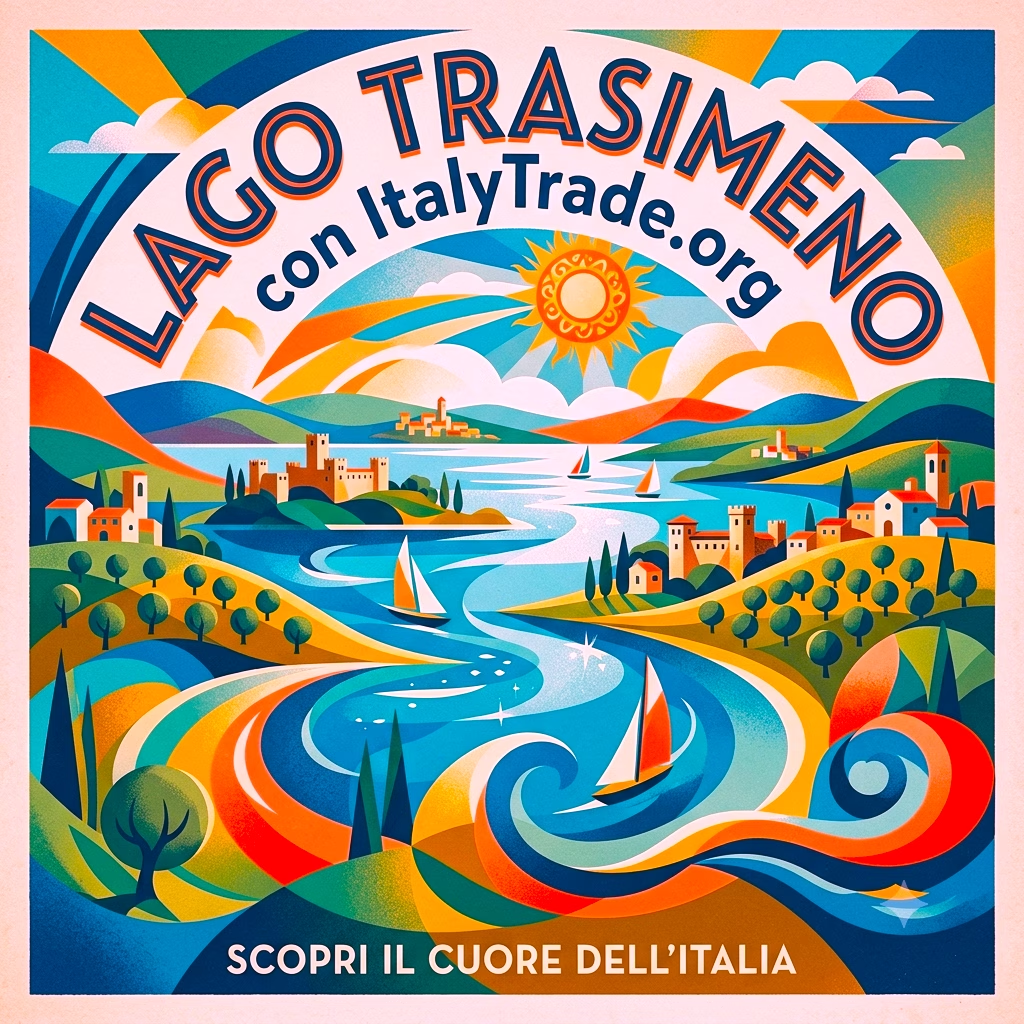
Trasimenischer See

Juli 12, 2026
Trasimenischer See
ItalyTrade.org Maßgeschneiderte Reise
✈️ Reise planen
Trasimenischer See — Panorama

Trasimenischer See

Umbrien, Provinz Perugia — der größte See auf der italienischen Halbinsel

📑 Inhaltsverzeichnis

  1. Einführung
  2. Kultur und Natur
  3. Warum er einzigartig ist
  4. Orte und Sehenswürdigkeiten
  5. Küche und Wein
  6. Traditionen und Feste
  7. Kunst und Architektur
  8. Lebensstil
  9. Dörfer und Routen
  10. Reiseplanung
  11. Lokale Spezialitäten
  12. Hochzeiten am See
  13. Immobilien
  14. Wo man essen kann
  15. Route Tag für Tag
  16. Häufige Fragen
  17. Fazit

📈 Aktuell im Trend — Trasimenischer See

Zu den meistbeachteten Terminen der Saison zählen der Palio delle Barche, das Bootsrennen von Passignano sul Trasimeno am letzten Sonntag im Juli, sowie die Festa del Giacchio, ein Fest rund um den Fisch des Sees.

Quelle: italia-italy.org
#LagoTrasimeno #PassignanoSulTrasimeno #CastiglioneDelLago #Umbrien 🔥 #PalioDelleBarche
Instagram TikTok Facebook X / Twitter
Maßgeschneiderte Reise
Einführung

Das grün-blaue Herz Umbriens

Mit einer Fläche von 128 km² ist der Trasimenische See der größte See Mittelitaliens und der viertgrößte des Landes, gleich nach dem Comer See. Er liegt im Nordwesten der Provinz Perugia, in Umbrien, an der Grenze zur Toskana.

Quelle: polvese.it

Seine durchschnittliche Tiefe beträgt nur 4,3 Meter, die maximale Tiefe liegt bei rund 6 Metern: Deshalb wird er von Geografen als „Flachsee“ (laminarer See) eingestuft. Umgeben von einem sanften Hügelamphitheater mit Olivenhainen und Weinbergen erstreckt sich sein gesamtes Einzugsgebiet über 306 km² zwischen Umbrien und der Toskana.

Quelle: globalgeografia.com
📍
128 km²
Seefläche
🌊
6 m
Maximale Tiefe
🗣️
Italienisch
Hauptsprache
🏝️
3
Inseln (Polvese, Maggiore, Minore)
Quelle: globalgeografia.com
Kultur und Natur

Jahrtausendealte Schönheit und lebendige Kultur

Das Gebiet um den See war bereits in prähistorischer Zeit besiedelt und geriet später unter etruskischen Einfluss, geprägt von Städten wie Chiusi und Cortona, bevor es in die römische Geschichte einging. Im Jahr 217 v. Chr. fand an seinen Ufern die berühmte Schlacht am Trasimenischen See statt, in der der karthagische Feldherr Hannibal den römischen Legionen des Konsuls Gaius Flaminius eine schwere Niederlage zufügte.

Quelle: trasimenoland.com

Die Landschaft aus Hügeln, Ebenen und Uferzonen hat seit jeher Künstler und Reisende fasziniert: Lord Byron beschrieb den See 1816 in seinem Werk „Childe Harold’s Pilgrimage“ als „einen silbernen Schleier“ — ein Bild, das die stille, fast schwebende Atmosphäre der flachen Gewässer noch heute treffend einfängt.

Quelle: umbriaturismo.org
Einzigartigkeit

Warum der Trasimenische See einzigartig ist

⚔️ Der Schauplatz von Hannibals größtem Sieg

Der See war Schauplatz einer der berühmtesten Schlachten der Punischen Kriege: der Schlacht von 217 v. Chr. zwischen Hannibal und den Römern, die noch heute in Tuoro sul Trasimeno entlang eines eigenen historischen Themenwegs nacherlebt werden kann.

Quelle: skuola.net

🏝️ Drei Inseln, ein bewohntes Dorf

Aus dem See ragen drei Inseln — Polvese, Maggiore und Minore — doch nur die Isola Maggiore beherbergt noch ein kleines, dauerhaft bewohntes Dorf mit der Atmosphäre eines Fischerdorfs aus dem 15. Jahrhundert.

Quelle: thewom.it

🚴 57 km langer Radweg rund um den See

Der Ciclabile del Trasimeno ist ein rund 57 km langer Rundweg, der fast das gesamte Ufer umrundet, mit einem Belag aus Asphalt (42 %) und unbefestigten Abschnitten (58 %), geeignet auch für nicht professionelle Radfahrer.

Quelle: thewom.it
Orte und Sehenswürdigkeiten

Die Wunder des Trasimenischen Sees

Westufer

Castiglione del Lago

Der bekannteste Ort am Trasimenischen See, auf einem Kalksteinvorsprung über antiken etruskischen Gräbern, überragt von der Festung Rocca del Leone und dem Palazzo Ducale, verbunden durch einen befestigten Wehrgang.

Quelle: italia.it
Ostufer

Passignano sul Trasimeno

Ein Renaissance-Dorf auf einem Vorsprung mit mittelalterlicher Festung und lebendiger Uferpromenade: von hier starten die wichtigsten Fährverbindungen zu den Inseln.

Quelle: idealista.it
Im Hinterland

Città della Pieve

Unweit des Ufers gelegen, bewahrt es mehrere Werke des Perugino sowie die schmalste Gasse Italiens, eine mittelalterliche Passage von kaum sechzig Zentimetern Breite.

Quelle: italia.it
Ostufer

Tuoro sul Trasimeno

Eine antike etruskische Stadt und Schauplatz der Schlacht zwischen Hannibal und Gaius Flaminius; hier befinden sich der Palazzo del Capra, die Kirche Santa Maddalena und die Kunstinstallation Campo del Sole.

Quelle: idealista.it
Insel

Isola Maggiore

Die einzige dauerhaft bewohnte Insel, dem heiligen Franz von Assisi eng verbunden, der sich hierher zur Meditation zurückzog; bis heute wird hier die Klöppelspitze im „irischen Stich“ gefertigt.

Quelle: thewom.it
Insel

Isola Polvese

Die größte der drei Inseln, heute ein wissenschaftlich-didaktischer Park der Provinz Perugia, mit einer mittelalterlichen Festung, den Überresten des Olivetaner-Klosters San Secondo und der Kirche San Giuliano.

Quelle: thewom.it
Insel

Isola Minore

Unbewohnt und von dichtem Pinien- und Steineichenwald bedeckt, beherbergt eine Kormorankolonie; sie kann nicht besucht werden, ist aber vom Boot aus gut zu sehen.

Quelle: wikivoyage.org
Route

Ciclabile del Trasimeno

Ein rund 57 km langer Rundweg, der es erlaubt, fast den gesamten See mit dem Fahrrad zu umrunden, vorbei an Dörfern, Stränden und Ausblicken auf die umbrischen Hügel.

Quelle: thewom.it
Panicale

Kirche San Sebastiano

Beherbergt das Fresko „Das Martyrium des heiligen Sebastian“ von Perugino, in einem der schönsten Dörfer Italiens mit seinem charakteristischen konzentrischen Grundriss.

Quelle: thewom.it
Isola Maggiore

Spitzenmuseum

Widmet sich der traditionellen Klöppelspitzenkunst im „irischen Stich“, die zu Beginn des 20. Jahrhunderts auf die Insel gebracht wurde und von den Frauen des Dorfes bis heute weitergegeben wird.

Quelle: thewom.it
Castiglione del Lago

Rocca del Leone und Palazzo Ducale

Die von Friedrich II. von Schwaben in Auftrag gegebene fünfeckige Festung zählt zu den bedeutendsten Beispielen umbrischer Militärarchitektur und ist über einen Wehrgang mit dem Palazzo Ducale verbunden.

Quelle: italia.it
Isola Maggiore

Kirche San Salvatore und Castello Guglielmi

Die Kirche bewahrt Fresken aus dem 14. Jahrhundert, während das neugotische Castello Guglielmi die Insel überragt und derzeit restauriert wird.

Quelle: thewom.it
Gemeinde Magione

Magione

Bekannt für das Schloss der Malteserritter (12. Jahrhundert); der Ortsteil San Feliciano direkt am Seeufer ist der Ausgangspunkt für die Isola Polvese.

Quelle: idealista.it
Hügel des Trasimeno

Panicale

Ein mittelalterliches Dorf mit konzentrischem Grundriss und Panoramaterrassen über dem See; von hier führt ein rund 20 km langer, malerischer Weg durch Olivenhaine und Wälder nach Città della Pieve.

Quelle: thewom.it
Ostufer

Sant’Arcangelo

Ein kleines Dorf am See, bekannt für seine alte Abtei und die traditionelle Sagra del Pesce Sfilettato, ein Fischfilet-Fest, das jedes Jahr vom örtlichen Fremdenverkehrsverein organisiert wird.

Quelle: umbriaeventi.com
Hügel des Trasimeno

Castel Rigone

Etwa 10 km von Passignano entfernt, beherbergt es das Heiligtum Maria Santissima dei Miracoli, eines der bedeutendsten Werke der umbrischen Renaissance.

Quelle: italia.it
Gastronomie

Eine kulinarische Reise durch die Aromen des Trasimeno

Die Küche des Trasimenischen Sees wurzelt in der bäuerlichen und fischerdörflichen Tradition Umbriens: Süßwasserfisch ist der unbestrittene Star, neben einer seltenen Hülsenfrucht, die schon zu Zeiten der Etrusker angebaut wurde: der Fagiolina del Trasimeno.

Quelle: viaggiaitalia.com

🍝 Gerichte, die man probieren sollte

Tegamaccio

Eine Fischsuppe aus dem See (Aal, Karpfen, Hecht), langsam gegart im traditionellen Tontopf, der dem Gericht seinen Namen gibt, serviert auf geröstetem Brot.

Karpfen „in Porchetta“

Das Wahrzeichen der Trasimeno-Küche: Der Karpfen wird mit wildem Fenchel, Knoblauch und Rosmarin gefüllt und im Ofen gegart, bis eine goldene, knusprige Kruste entsteht.

Fagiolina del Trasimeno

Eine kleine, von Slow Food geschützte Hülsenfrucht, die bereits von den Etruskern angebaut wurde; genossen pur mit nativem Olivenöl extra oder in Suppen und Nudelgerichten.

Panierter Flussbarsch

Filets vom Flussbarsch aus dem See, paniert und frittiert: eines der beliebtesten Hauptgerichte in den Trattorien am Ufer.

Torciglione

Ein traditionelles umbrisches Mandelgebäck in Schlangenform, das an die Aale des Sees erinnert.

Colli del Trasimeno DOC

Die Weine der Hügel rund um den See, zusammen mit dem nativen Olivenöl extra DOP Umbria, begleiten klassisch die lokale Küche.

Quelle: granconsigliodellaforchetta.it

🍷 Die Weine der Region

Die Hügel rund um den See sind das Anbaugebiet des Weins Colli del Trasimeno und des nativen Olivenöls extra DOP Umbria, die noch nach traditionellen Methoden angebaut werden und die umliegenden Oliven- und Weinberge prägen.

Quelle: polvese.it
Traditionen

Traditionen und Feste: der Veranstaltungskalender des Trasimeno

🎉 Der Veranstaltungskalender

🪁 Coloriamo i Cieli — Ende April / Mai, Castiglione del Lago

Ein internationales Drachentreffen auf dem ehemaligen Flugplatz Eleuteri, Teil des Festival del Volo, mit Dutzenden Teams aus ganz Italien.

Quelle: umbriasocial.it

🚣 Palio delle Barche — letzter Sonntag im Juli, Passignano sul Trasimeno

Erinnert an die historische Rivalität zwischen den perugianischen Adelsfamilien Baglioni und Oddi: Boote messen sich zunächst auf dem Wasser und werden dann auf den Schultern der Mannschaften durch die engen, steilen Gassen der Altstadt getragen.

Quelle: umbriaeventi.com

🏹 Palio dei Terzieri — 15. August und der darauffolgende Sonntag, Città della Pieve

Die drei historischen Stadtteile (Borgo Dentro, Casalino und Castello) messen sich in einem Renaissance-Umzug in historischen Kostümen, der in der „Jagd auf den Stier“ gipfelt.

Quelle: trasimeno.ws

⛪ Traditionelle Feste

Zu den am tiefsten verwurzelten Festen zählen die Sagra del Pesce Sfilettato in Sant’Arcangelo, die bereits über 40 Ausgaben erlebt hat, sowie die Festa del Giacchio, die dem Fisch des Sees (Flussbarsch, Schleie, Aal, Karpfen) gewidmet ist, zubereitet nach traditionellen Rezepten der Seeküche. Im Dezember verwandelt sich Castiglione del Lago mit „Luci sul Trasimeno“ und seinem berühmten, auf dem Wasser gezeichneten Weihnachtsbaum.

Quelle: stradadelvinotrasimeno.it
Kunst und Architektur

Festungen, Paläste und Fresken von Perugino

Die Architektur des Trasimeno erzählt Jahrhunderte an Militär- und Adelsgeschichte: von der Rocca del Leone in Castiglione del Lago, erbaut für Friedrich II. von Schwaben, über das Schloss der Malteserritter in Magione bis zur mittelalterlichen Festung von Passignano, einst Teil eines Verteidigungssystems rund um den See.

Quelle: umbriaturismo.org

Das Gebiet zog außerdem den Meister Perugino an, der in Panicale und Città della Pieve Fresken hinterließ: ein über mehrere Orte verteilter Weg, auf dem sich die umbrische Renaissancemalerei von Dorf zu Dorf verfolgen lässt.

Quelle: thewom.it
Alltagsleben

Der Charme des Lebens am See

Hinter dem sanften Abhang zum Ufer prägen Hügel den Hintergrund des Sees, durchsetzt von Wäldern, Sonnenblumen- und Maisfeldern, Weinbergen und Olivenhainen: Die Landwirtschaft wird hier noch nach traditionellen Methoden betrieben, in einer Landschaft, die mit den Jahreszeiten ihre Farbe wechselt.

Quelle: italia.it

Das Handwerk bleibt ein lebendiger Teil der lokalen Identität: die Spitze der Isola Maggiore sowie Keramik- und Schmiedearbeiten aus Eisen und Kupfer der Region werden bis heute nach überlieferten Techniken gefertigt.

Quelle: italia.it
Dörfer und Routen

Die schönsten Dörfer und empfohlene Routen

Der Trasimenische See ist wirklich weitläufig, und ein einziger Tag reicht nicht aus, um jedes Dorf zu besuchen: Am besten teilt man den Besuch zwischen dem Ostufer (Passignano, San Feliciano, Tuoro), das näher an Perugia liegt, und dem Westufer, das von Panicale hinauf nach Castiglione del Lago und Città della Pieve führt.

Quelle: idealista.it

🗺️ Kurze Route (1 Tag): der Klassiker am See

Vormittag: Spaziergang durch das mittelalterliche Castiglione del Lago, von der Rocca del Leone bis zu den engen Pflastergassen. Mittag: Fähre zur Isola Maggiore, durch Fischergassen und das Spitzenmuseum. Nachmittag: Rückfahrt mit Abendstopp in Passignano sul Trasimeno für den Sonnenuntergang an der Uferpromenade.

Quelle: idealista.it

🗺️ Erweiterte Route: mit dem Fahrrad entlang des Radwegs

Für alle mit mehr Zeit ist der rund 57 km lange Radrundweg, der fast das gesamte Ufer umrundet, die beste Möglichkeit, die wichtigsten Dörfer über mehrere Tage zu verbinden, mit einem Wechsel aus asphaltierten und unbefestigten Abschnitten sowie Badestopps am Ufer.

Quelle: thewom.it
Reiseplanung

Wie viele Tage einplanen und wie man sich fortbewegt

⏱️ Empfohlene Aufenthaltsdauer

Angesichts der Größe des Sees und der Vielzahl an Dörfern an seinen Ufern raten lokale Tourismusanbieter davon ab, den Besuch auf einen einzigen Tag zu beschränken: Ein Wochenende erlaubt es, beide Ufer in Ruhe zu erkunden und mindestens eine Insel zu besuchen.

Quelle: idealista.it

🚆 Anreise

Mit dem Auto erreicht man den See von Norden über die A1 bis zur Ausfahrt Valdichiana, von Süden über die Ausfahrten Fabro oder Chiusi-Chianciano Terme, weiter auf der E45 in Richtung Perugia. Mit dem Zug sind die günstigsten Bahnhöfe Castiglione del Lago, Terontola, Passignano sul Trasimeno und Chiusi-Chianciano Terme.

Quelle: umbriaturismo.org

🏨 Unterkünfte

Das Gebiet bietet vor allem Agriturismi (Ferien auf dem Bauernhof) und Ferienhäuser mitten in der umbrischen Landschaft, viele davon mit eigener Küche aus hofeigenen Produkten, sowie Hotels und B&Bs in den historischen Zentren der wichtigsten Dörfer.

Quelle: agricolabittarelli.it
Lokale Spezialitäten

Erlesene Produkte der Region

Der Trasimenische See ist Heimat national anerkannter Produkte: der Fagiolina del Trasimeno, ein Slow-Food-Presidio, das native Olivenöl extra DOP Umbria, der Wein Colli del Trasimeno DOC, getrocknete Feigen aus San Feliciano sowie die traditionelle Klöppelspitze „irischer Stich“ der Isola Maggiore, die noch heute von den Frauen der Insel von Hand gefertigt wird.

Quelle: viaggiaitalia.com
Hochzeiten am See

Hochzeitslocations am See

Mit seinen Sonnenuntergängen über dem Wasser und seinen befestigten Silhouetten eignet sich der Trasimenische See für außergewöhnliche Hochzeitslocations: von der Rocca del Leone in Castiglione del Lago über die zeitlose Atmosphäre der Isola Maggiore bis zu den Renaissance-Festungen von Passignano und Castel Rigone.

Quelle: italia.it

Entdecken Sie die Luxury-Wedding-Services von ItalyTrade.

Immobilien

Der Immobilienmarkt am Trasimenischen See

Im Mai 2026 lag der durchschnittliche Preis für Wohnungen am Trasimenischen See bei rund 1.297 €/m², einer der günstigeren Werte unter den großen italienischen Seen, bei einem leichten Rückgang von 2 % im Jahresvergleich laut Analyse von Casa.it. Die Schwankungen zwischen den Gemeinden bleiben moderat: von +2 % in Tuoro sul Trasimeno bis -6 % in Passignano sul Trasimeno.

Quelle: monitorimmobiliare.it

Auf dem Markt finden sich sowohl günstige Objekte in den Dörfern des Hinterlands als auch Prestigeimmobilien mit Seeblick: Anfang 2026 wurde beispielsweise ein Teil eines historischen Palastes mit Blick auf den Trasimeno für 2,7 Millionen Euro zum Verkauf angeboten.

Quelle: idealista.it

Mehr über den Luxusimmobilienmarkt erfahren.

Wo man essen kann

Restaurants: die verschiedenen Typen am Trasimeno

🐟 Trattorien mit Seefisch

In Uferdörfern wie San Feliciano, Sant’Arcangelo und Passignano findet man historische Trattorien, die sich auf Tegamaccio, panierten Flussbarsch und Karpfen „in Porchetta“ spezialisiert haben.

Quelle: trasimenosapori.it

🌾 Agriturismi mit Küche vom eigenen Hof

Mehrere Bauernhöfe der Region, darunter jene entlang der Weinstraße Strada del Vino Colli del Trasimeno, verbinden den Direktverkauf eigener Produkte mit einer bäuerlichen Küche rund um Fagiolina, Hülsenfrüchte und lokales Getreide.

Quelle: agricolabittarelli.it

🍷 Weinbars und Kellereien entlang der Weinstraße

Die Strada del Vino Colli del Trasimeno organisiert das ganze Jahr über Verkostungen und Themenabende in den Weingütern der Region, oft kombiniert mit typischen Gerichten und Produkten aus der unmittelbaren Umgebung.

Quelle: stradadelvinotrasimeno.it
Daten und Zahlen

Der Trasimeno in Zahlen

0 km² Fläche
0 Meter maximale Tiefe
0 km Radweg rund um den See
0 Inseln (Polvese, Maggiore, Minore)
Quelle: globalgeografia.com
Detaillierte Route

3-Tage-Route Schritt für Schritt

Tag 1

Castiglione del Lago

Spaziergang durch das mittelalterliche Dorf, Besichtigung der Rocca del Leone und des Palazzo Ducale; am Nachmittag Entspannung am Strand der Uferpromenade.

Planen Sie Ihre Route mit ItalyTrade

Tag 2

Isola Maggiore

Fähre von Passignano oder Tuoro zur Isola Maggiore: Fischergassen, Spitzenmuseum und die Kirche San Salvatore.

Tag 3

Passignano sul Trasimeno und Panicale

Vormittag rund um die Festung und Uferpromenade von Passignano, am Nachmittag Panicale mit seinen kleinen Plätzen und dem Fresko von Perugino in der Kirche San Sebastiano.

Planen Sie Ihre Route mit ItalyTrade

Quelle: idealista.it
Häufige Fragen

FAQ — Trasimenischer See

Der Trasimenische See hat eine Fläche von 128 km² und ist damit der größte See der italienischen Halbinsel und der viertgrößte des Landes.

Quelle: globalgeografia.com

Die maximale Tiefe liegt bei rund 6 Metern, weshalb er als „Flachsee“ (laminarer See) eingestuft wird.

Quelle: globalgeografia.com

Es gibt drei Inseln: Isola Polvese (die größte), Isola Maggiore (die einzige bewohnte) und Isola Minore (unbewohnt und nicht zugänglich).

Quelle: globalgeografia.com

Zu den typischen Gerichten zählen der Tegamaccio (Fischsuppe), Karpfen „in Porchetta“, panierter Flussbarsch und die Fagiolina del Trasimeno, ein Slow-Food-Presidio.

Quelle: viaggiaitalia.com

Er findet am letzten Sonntag im Juli in Passignano sul Trasimeno statt und erinnert an die historische Rivalität zwischen den perugianischen Adelsfamilien Baglioni und Oddi.

Quelle: trasimeno.ws

217 v. Chr. fand an seinen Ufern die Schlacht am Trasimenischen See statt, in der Hannibal die römischen Legionen des Konsuls Gaius Flaminius besiegte.

Quelle: skuola.net

Die Isola Maggiore ist mit der Fähre von Tuoro, Passignano und Castiglione del Lago erreichbar; die Isola Polvese erreicht man in wenigen Minuten von San Feliciano aus.

Quelle: thewom.it

Im Mai 2026 lag der Durchschnittspreis bei rund 1.297 €/m², einer der günstigsten Werte unter den großen italienischen Seen, mit Schwankungen zwischen +2 % und -6 % je Gemeinde im Jahresvergleich.

Quelle: monitorimmobiliare.it
Fazit

Die italienische Kultur am Trasimenischen See erleben

Zwischen befestigten Dörfern, zeitlos wirkenden Inseln und einer Küche, die Jahrhunderte an Seetradition erzählt, bleibt der Trasimenische See eine der am wenigsten überlaufenen und authentischsten Ecken Mittelitaliens — bequem erreichbar von Perugia, Florenz und Rom.

Wie Lord Byron ihn vor fast zwei Jahrhunderten beschrieb, schenkt dieser „silberne Schleier“ bei jedem Sonnenuntergang noch immer dieselbe Stille, die einst Etrusker, Römer und Reisende der Romantik erlebten.

Quelle: umbriaturismo.org

Ein See, der an Tiefe bescheiden, an Geschichte und Schönheit aber unermesslich ist: Der Trasimeno verdient mehr als nur einen Besuch.

↑ Zurück zum Inhaltsverzeichnis

Redaktionelle Transparenz

Wer hat diesen Artikel geschrieben? Auf welcher Grundlage?

📋 Transparenz und Überprüfbarkeit

Wer ihn geschrieben hat: Giuseppe Baldassarri — ItalyTrade.org.
Worauf er basiert: geprüfte Quellen, jeweils am Ende jedes Absatzes verlinkt.
Gibt es andere Sichtweisen: ja, der Trasimenische See wird von mehreren unabhängigen Quellen beschrieben, die alle zitiert sind.
Mögliches verdecktes Interesse: keines. Unabhängiger redaktioneller Inhalt.

Giuseppe Baldassarri – ItalyTrade.org

Giuseppe Baldassarri

Sales & Account Manager · Destination & Export Digital Marketing Manager · Travel Designer · TTO

Website: ItalyTrade.org — Travel & Business | Italy: Made in Italy

„Italienische Exzellenz im Zeitalter der künstlichen Intelligenz weltweit sichtbar machen“

Facebook LinkedIn Instagram TikTok

ItalyTrade.org

Luxusimmobilien | Export | Luxury Wedding | Travel Design

IT | EN | NL | FR | DE | ES | ZH | AR

© 2026 — Alle Rechte vorbehalten ItalyTrade.org

Datenschutzerklärung » Cookie-Richtlinie » Nutzungsbedingungen » Bildlizenzen » Sitemap » Dienstleistungen » Bewertungen » Kontakt » Karriere

Baldassarri Giuseppe Destination & Export Digital Marketing Manager


⭐ Top Activities
⭐ Top Activities
Vatican
Museums & Sistine Chapel Ticket
➔
Milan
Cathedral & Duomo's Terraces Ticket
➔
Rome
Colosseum, Roman Forum & Palatine Hill Guided Tour
➔
Rome
Rome: Colosseum Arena Floor, Palatine & Forum Guided Tour
➔
Rome
Rome: Colosseum & Forum with Audio Guide App -Optional Arena
➔
Rome
Vatican Museums, Sistine Chapel & St. Peter's Basilica Tour
➔
Rome
Rome: Colosseum, Forum, Palatine Hill Entry, and Audio Guide
➔
Venice
Venice: Waterbus and Mainland Bus Pass
➔
Rome
Vatican Museums & Sistine Chapel Skip-the-Line Entry Ticket
➔
Florence
Florence: Pasta Cooking Class with Unlimited Wine
➔
Rome
Rome: Vatican Museums, Sistine Chapel & Basilica Tour
➔
Pompei
Pompeii: Entry Ticket and Guided Tour with an Archaeologist
➔
Rome
Rome: Big Bus Hop-on, Hop-off Open-Top Sightseeing Tour
➔
Rome
Rome: Pantheon Entry Ticket and Official Audioguide
➔
Rome
Vatican, Sistine Chapel & St. Peter's Skip-the-Line Tour
➔
Rome
Rome: Colosseum, Forum, Palatine Hill Entry & Audioguide App
➔
Venice
Venice: Doge's Palace Reserved Entry Ticket
➔
Milan
From Milan: Lake Como Private Boat, Bellagio and Lugano
➔
Florence
Florence:Uffizi Gallery Ticket & Audio Guide or Tour Options
➔
Florence
Florence: Michelangelo's David Skip-the-Line Entry Ticket
➔
Rome
Fiumicino Airport (FCO): Shuttle Bus To/From Roma Termini
➔
Florence
Florence: Brunelleschi's Dome Climb Entry Ticket & Duomo
➔
Rome
Rome: Pasta & Tiramisu Class with Fine Wine by the Vatican
➔
Venice
Venice: Grand Canal Gondola Ride with App Commentary
➔
Rome
Rome: Castel Sant'Angelo Entry Ticket & Digital Audioguide
➔
Naples
Naples: Naples Underground Entry Ticket and Guided Tour
➔
Rome
Colosseum, Roman Forum & Palatine Hill Entry and Audioguide
➔
Rome
Fiumicino Airport (FCO): Bus Transfer from/to Rome Termini
➔
Venice
Murano, Burano & Torcello: Half-Day Boat Tour in Venice
➔
Venice
Venice Islands: Murano Glass & Burano Colors Guided Visit
➔
Rome
From Rome: Pompeii, Amalfi Coast, and Sorrento Day Trip
➔
Rome
Rome: Colosseum Access with Official App & Arena Option
➔
Venice
Venice: Bus Transfer between Marco Polo Airport and City
➔
Venice
Venice: Marco Polo Airport Water Taxi Transfer
➔
Bari
UNESCO Tour: Alberobello and Matera by private bus from Bari
➔
Naples
From Naples: Sorrento, Positano & Amalfi Premium Tour
➔
Pisa
Pisa: Entrance Ticket to Leaning Tower & Cathedral
➔
Florence
Florence: Pasta & Tiramisu Cooking Class with Unlimited Wine
➔
Rome
Rome: City Sightseeing Hop-on Hop-off Bus with Audioguide
➔
Florence
Florence: Chianti Wineries Tour with Wine Tasting
➔
Rome
Rome: St. Peter's Basilica, La Pietà, Papal Tombs and Dome
➔
Milan
Milan: City Sightseeing Hop-On Hop-Off Bus with Audio Guide
➔
Venice
Venice: Boat Transfer to/from Marco Polo Airport w/ 3 Routes
➔
Milan
Milan: Milan Cathedral Direct Entrance - Terrace Excluded
➔
Florence
Florence: Accademia Gallery & David Skip-the-Line Ticket
➔
Rome
Rome: St. Peter's Basilica, Dome Climb, and Underground Tour
➔
ItalyTrade.org Viaggio su misura
✈️ Pianifica il viaggio
7-Day Italy Itinerary — panorama

7-Day Italy Itinerary: What to See, Map and Stops

From Rome to Venice, via Florence and Tuscany: a practical day-by-day guide

Editorial note. This article only includes sections for which a public source was found and verified.

Itinerary index

  1. 1. Introduction
  2. 2. An unmatched heritage
  3. 3. Why this itinerary works
  4. 4. The stops: cities, nature, art, villages
  5. 5. A journey through Italian flavors
  6. 6. Traditions and event calendar
  7. 7. Art and architecture
  8. 8. The Italian lifestyle
  9. 9. Villages and alternative routes
  10. 10. How many days, where to stay, when to go
  11. 11. Made in Italy excellence
  12. 12. Dream wedding locations
  13. 13. Luxury real estate
  14. 14. Prices and budget
  15. 15. Where to eat
  16. 16. Who visits Italy
  17. 17. Statistics and figures
  18. 18. Where visitors come from
  19. 19. Day-by-day itinerary
  20. 20. FAQ
  21. 21. Conclusion

📈 Trending today — 7-Day Italy Itinerary

Autumn is driving travel searches: grape harvests in Tuscany and Piedmont, foliage and the Alba White Truffle Fair are boosting interest in road-trip itineraries across Italy.

#ItalyTrip #ItalyItinerary #VisitItaly #DolceVita 🔥 #WhiteTruffle
Instagram TikTok Facebook X / Twitter
Plan a tailor-made trip
Introduction

Seven days, an entire country to discover

A 7-day Italy itinerary is the most realistic way to cross the country without sacrificing its soul: from Rome to Venice, via Florence and the Tuscan countryside, each stop tells a different chapter of the same centuries-old story. There is no need for a complicated route: a handful of well-connected cities by train or car, plus a pace that leaves room for the unexpected, is what several travel guides dedicated to one-week tours of the country recommend. Spotahome guide — Touring Italy in 7 days

Geographically, Italy stretches over 1,200 km from the Alps to Sicily, but a one-week itinerary works best when it focuses on a North-Central axis, reducing travel time and increasing the actual time spent in each city: Rome, Florence and Venice remain the most recommended stops for travelers with only seven days available. Visititaly.eu — Italy Express, the essential 7-day itinerary

📍
61
UNESCO sites in Italy (2026)
🌡️
14–24°C
Average autumn temperatures
🗣️
Italian
Official language
✈️
Rome · Milan
Main airport hubs
Culture and nature

An unmatched artistic heritage

Italy is the country with the highest number of World Heritage Sites in the world: as of 2026 the Ministry of Culture's official count stands at 56 historic recognitions, a record no other nation holds. Ministry of Culture — Italian UNESCO World Heritage Sites

According to Wikipedia's update based on UNESCO data, by 2026 the total number of inscribed heritage sites rises to 62, of which 55 are cultural and 6 natural: a mosaic ranging from the historic centers of Rome and Florence to the Dolomites, from the Cinque Terre to the vineyard landscapes of Piedmont and Tuscany. Wikipedia — World Heritage Sites of Italy

Uniqueness

Why this itinerary works in 7 days

🏛️ The country with the most UNESCO sites in the world

No other nation can count on a similar concentration of art, history and landscapes recognized by the whole of humanity, spread across even lesser-known regions. GreenMe — UNESCO heritage sites in Italy, the complete map

🍝 A cuisine that changes from region to region

From Rome to Venice, the itinerary's food changes radically: carbonara in the capital, steak in Tuscany, sarde in saor in the Venetian lagoon. Spotahome — Touring Italy in 7 days

🎭 Centuries-old traditions, still alive

Events such as the Palio di Siena, a horse race held twice a year in Piazza del Campo since the Middle Ages, show how Italy's calendar is still shaped today by authentic historic rituals. Municipality of Siena — The Palio di Siena

Places and sites

The must-see stops of the itinerary

Lazio

Rome

The Colosseum, the Imperial Forums and the Palatine Hill make up Italy's most visited archaeological park: the standard ticket costs €18 and is valid for 24 hours. Colosseo.it — Official opening hours and tickets

Tuscany

Florence

Tuscany's Renaissance heart revolves around Piazza del Duomo, the Ponte Vecchio and the Uffizi Gallery, open Tuesday to Sunday from 8:15 am to 6:30 pm. B-ticket — Official Uffizi ticket office

Veneto

Venice

Built on 118 small islands linked by 354 bridges and crossed by 177 canals, Venice is best explored on foot and by vaporetto along the Grand Canal. Venezia-tourism.com — Tourist information

Tuscany

Siena

The medieval center that hosts the Palio, the traditional horse race run in Piazza del Campo on July 2 and August 16 every year. Municipality of Siena — The Palio

Tuscany

Val d'Orcia and Chianti

Vine-covered hills between Siena and Montalcino, best visited in September and October during the grape harvest, when the vineyards turn red and gold. Freedome — Where to go on holiday in Italy in 2026

Liguria

Cinque Terre

Five villages perched over the sea — Monterosso, Vernazza, Corniglia, Manarola and Riomaggiore — linked by scenic trails along the Ligurian coast. Spotahome — Touring Italy in 7 days

Trentino-Alto Adige

The Dolomites

A UNESCO World Heritage Site since 2009, the Dolomites offer a mountain alternative for those wishing to extend the itinerary beyond the classic seven days. Wikipedia — World Heritage Sites of Italy

Piedmont

Langhe and Roero

The hills of Piedmont, home to Barolo and Barbaresco wines, take center stage in autumn with the hunt for the white truffle. Freedome — Destinations for 2026

Florence

Uffizi Gallery

One of the most visited museums in the world, it holds the largest collection of Botticelli and Raphael works from the Florentine Renaissance. Toscana.info — Uffizi Gallery, works and information

Rome

Imperial Forums and Palatine Hill

The Palatine Hill, home to the imperial palaces after Augustus, today houses the Palatine Museum with finds from Rome's earliest history. Ministry of Culture — Roman Forum and Palatine Hill

Rome

Flavian Amphitheatre

Built in the 1st century AD under the Flavian dynasty, the Colosseum remains the largest amphitheatre ever built in the world. Ministry of Culture — Colosseum, Flavian Amphitheatre

Venice

St Mark's Basilica

The symbol of the Serenissima overlooks Venice's most famous square, an ideal starting point for exploring the city's six sestieri (districts). Venezia-tourism.com

Siena

San Gimignano

Its medieval towers dominate the Sienese countryside, recognized as a UNESCO site for the pastoral landscape of the Via Francigena. Archètravel — 10 UNESCO sites in Italy you shouldn't miss

Piedmont

Alba

The capital of the Langhe turns its medieval center into a food-and-wine hub every autumn during the White Truffle Fair. Tartufi Ratti — Guide to the Alba White Truffle Fair

Liguria

Vernazza and Manarola

Two of the five Cinque Terre villages, also reachable by train along the Ligurian coast, ideal for a stop off the beaten path. Spotahome — Touring Italy in 7 days

Marche

Gradara and the Conero Riviera

Castle villages and scenic coastline often suggested as a less crowded alternative to Central Italy's better-known destinations. Tripadvisor Italy Forum — Travel advice

Food and wine

A journey through Italian flavors

Each stop of the itinerary corresponds to a different cuisine: in Rome you eat carbonara in the Trastevere neighborhood, moving north you shift to Tuscan cuisine and finally to Venice's lagoon flavors. Spotahome — Touring Italy in 7 days

🍝 Regional dishes not to miss

Carbonara

The quintessential Roman dish, best tasted in Trastevere during the Rome stop.

Bistecca alla fiorentina

A signature cut of Tuscan cuisine, typical of trattorias in central Florence.

Pici with truffle

Handmade pasta from Siena paired with truffle, also a star in the Piedmontese Langhe.

Sarde in saor

A sweet-and-sour Venetian dish with sardines, onions and raisins, typical of Venice's bacari.

Venetian cicchetti

Traditional small bites served in the bacari of the Cannaregio and Castello districts.

Chianti DOCG

The red wine that symbolizes Tuscany, produced on the hills crossed during the itinerary.

🍷 Wines along the route

The Chianti hills between Siena and Florence remain the most popular wine destination on the central leg of the itinerary, while travelers extending the trip toward Piedmont can pair the autumn stop with Barolo and Barbaresco tastings in the Langhe. Freedome — Where to go on holiday in Italy in 2026

Traditions

Traditions and events along the itinerary

🎉 Event calendar

Palio di Siena — July 2 and August 16

The Carriera in Piazza del Campo, raced by the city's Contrade, remains one of the most authentic identity-driven events in Tuscany. Municipality of Siena — Palio ordinances and schedule

Alba International White Truffle Fair — 10 October–6 December 2026

Now in its 96th edition, the fair turns Alba into a food-and-wine hub with a world truffle market and tastings across the Langhe. Piemonte Expo — Alba White Truffle Fair 2026

Grape harvest in Tuscany and Piedmont — September-October

The grape-picking season makes the hills of Chianti and the Langhe especially picturesque, with plenty of local food-and-wine events. Freedome — Destinations for 2026

⛪ A calendar shaped by centuries-old rites

From the historic procession that precedes the Palio di Siena to the religious celebrations tied to the Assumption on August 16, many of the traditions encountered along a 7-day itinerary trace their roots back to the Middle Ages and are still managed directly by local communities. Municipality of Siena — The Palio di Siena

Art and architecture

Art and architecture: the masterpieces not to miss

The Uffizi hold the world's largest collection of Botticelli and Raphael works, alongside masterpieces by Giotto, Titian, Leonardo da Vinci and Caravaggio, inherited from the Medici family's private collection. Toscana.info — Uffizi Gallery, works and information

In Rome, the Colosseum Archaeological Park combines the Colosseum, the Roman Forum and the Palatine Hill into a single route: ticket sales open 30 days before the visit, and online booking is recommended to avoid queues. Colosseo.it — Opening hours and tickets

Everyday life

The charm of the Italian lifestyle

Strolling through Trastevere in Rome, crossing the Ponte Vecchio in Florence, or getting lost among Venice's calli means stepping into a pace of life made of piazzas, markets and coffee stops that remains the true added value of a one-week itinerary. Agoda — 7 days of Italian indulgence

In Venice, local life is inseparable from the lagoon: the city is organized into six sestieri — Cannaregio, Castello, Dorsoduro, Santa Croce, San Marco and San Polo — and is lived mainly on foot or by water. Venezia-tourism.com — Tourist information

Villages and routes

Villages and alternative itineraries

Travelers wanting to vary the classic Rome-Florence-Venice axis can turn the itinerary south, alternating Rome, Naples and the Amalfi Coast, or toward Piedmont in autumn to combine the Langhe hills with the White Truffle Fair. Spotahome — Touring Italy in 7 days

🗺️ Short itinerary (7 days): Rome – Florence – Venice

Days 1-2: Rome. Days 3-4: Florence and Siena. Days 5-6: Venice. Day 7: Verona day trip and departure.

🗺️ Extended itinerary (10-14 days): North-Central-South

By adding a few days, the route can be extended from Milan all the way to Naples and the Amalfi Coast, a route often suggested by travel guides as a complete North-South alternative. Spotahome — Touring Italy in 7 days

Planning

How many days, where to stay, when to go

⏱️ Recommended duration

Seven days are enough to realistically cover the Rome-Florence-Venice axis, allowing roughly two full days for each city plus a transition day for train travel. Visititaly.eu — Italy Express, the essential 7-day itinerary

🏨 Where to stay (by type)

Hotels and resorts

In the historic centers of Rome, Florence and Venice, mid- to high-range hotels remain the most practical option for travelers with limited time who want to walk between the main attractions.

Apartments and holiday homes

A recommended option for families or multi-night stays in the same city, often cheaper than a hotel in central areas.

Agriturismo (farm stays)

Ideal for the Tuscany leg, between Siena and San Gimignano, to experience the Chianti hills described by travel guides. Spotahome — Touring Italy in 7 days

Campsites and glamping

A more budget-friendly alternative for independent travelers, common along the coast and in the hilly areas of Central Italy.

📅 Best time to go

The best time for a 7-day itinerary runs from late April to early June, or from mid-September to mid-October, when the weather is mild, crowds are thinner, and temperatures stay between 14°C and 24°C. iRoamly — Best time to visit Italy

Local excellence

Made in Italy excellence along the route

Alba's white truffle, Tuscan Chianti DOCG and the wines of Langhe and Roero are among the most representative products encountered right along this itinerary, with the Alba fair drawing over 600,000 visitors every year across the Langhe, Monferrato and Roero. Sapori News — Alba International White Truffle Fair 2026

Destination wedding

Dream wedding locations along the itinerary

Tuscan villas between Siena and Florence, and historic Venetian palaces, are among the most sought-after locations for international weddings in Italy, thanks to a combination of landscape, art and hospitality services now well established in the luxury travel sector. Discover ItalyTrade's luxury wedding services.

Real estate

Luxury real estate along the itinerary

The areas covered by this itinerary — from the historic center of Florence to the Chianti hills, all the way to the historic palaces of Venice — remain among Italy's most sought-after luxury real estate markets for international investors. Learn more about the luxury real estate market.

Prices and budget

Accommodation prices: low and high season

🌧️ Low season
(January-March, November)

€100–350

Double room in a 3-4 star hotel in the historic centers of Rome, Florence or Venice.

☀️ High season
(June-August, December)

€350–1000

Same accommodation types, with rates in historic centers that can exceed €1,000 a night for luxury options.

🍽️ Budget restaurant

€100–200

Dinner for two at a traditional trattoria, wine included.

🦞 Gourmet restaurant

€200–1000

Tasting menu at a Michelin-starred restaurant in Rome, Florence or Venice, wine pairing included.

Where to eat

Where to eat along the itinerary

🍝 Traditional trattoria

In Rome's Trastevere, this is the most recommended option for tasting authentic carbonara in an informal setting. Spotahome — Touring Italy in 7 days

🍷 Wine bar with kitchen

Common between Siena and the Chianti hills, pairing local wine tastings with traditional Tuscan country dishes.

🥗 Agriturismo

In Tuscany, this lets you eat farm-to-table produce directly on the estate where you are staying.

🍢 Venetian bacaro

In Venice, bacari serve cicchetti and small glasses of wine standing up — a local habit not to miss in the Cannaregio and Castello districts.

Visitor analysis

Who visits Italy?

In the fourth quarter of 2025, foreign visitors accounted for 56.5% of total overnight stays in Italy, up 5.1% year-on-year, while overnight stays by Italian tourists remained broadly stable. Confcommercio — Tourism in Italy, Q4 2025 (Istat data)

Share of foreign and Italian overnight stays, Q4 2025 56.5% foreign
  • 56.5% Overnight stays by foreign tourists
  • 43.5% Overnight stays by Italian tourists

Source: Istat, Movement of clients in accommodation facilities, Q4 2025. Full source

Data and figures

Tourism statistics in Italy

0 Million visitors in 2024 (record)
0 UNESCO sites in Italy (2026)
0 Average nights, foreign tourists
0 % of overnight stays generated by foreigners

Sources: Roami, Ministry of Culture, Confcommercio/Istat.

Origins

Where do visitors come from?

According to Bank of Italy data, the inbound tourism flow is fed by both European and non-European travelers: Germany and Spain remain the leading countries of origin, while arrivals from the Gulf states and the Far East are growing rapidly. Businessonline — Official Bank of Italy data on tourism in Italy, 2025

July is confirmed as the peak month for foreign tourist arrivals, with 42.7 million overnight stays recorded in summer 2025, while Italians continue to prefer August for their own holidays. Valigiamo — Summer 2025, Istat data on tourism in Italy

Detailed itinerary

7-day itinerary, day by day

Days 1-2

Rome

Colosseum, Roman Forum and Palatine Hill in the morning with a pre-booked ticket; in the afternoon, the Trevi Fountain, the Pantheon and dinner in Trastevere.

Book the Colosseum on the official site

Day 3

Florence

Piazza del Duomo, Ponte Vecchio and the Uffizi Gallery: allow at least 2-3 hours for the museum visit.

Official Uffizi tickets

Day 4

Siena and San Gimignano

A day in Tuscany between Piazza del Campo in Siena and the medieval towers of San Gimignano, returning to Florence in the evening.

Days 5-6

Venice

St Mark's Basilica, Doge's Palace, a vaporetto ride along the Grand Canal, and a stop on the islands of Murano and Burano.

Tourist information about Venice

Day 7

Verona and departure

A half-day excursion to Verona, returning to Venice in time for your departing flight or train.

Plan your itinerary with ItalyTrade

Frequently asked questions

FAQ — 7-Day Italy Itinerary

The most recommended axis is Rome-Florence-Venice, with an optional stop in Siena or Verona. Source: Visititaly.eu

Late April to early June, or mid-September to mid-October, when temperatures stay between 14°C and 24°C and crowds are thinner. Source: iRoamly

The standard 24-hour ticket for the Colosseum, Roman Forum and Palatine Hill costs €18, with mandatory booking of the entry time slot. Source: Colosseo.it

Yes: the Uffizi Gallery is among the most visited museums in the world, and booking online significantly cuts down waiting times at the ticket office. Source: B-ticket, official Uffizi ticket office

As of 2026, Italy holds the highest number of UNESCO sites in the world, between 56 and 62 depending on the source and counting method. Source: Ministry of Culture

Yes, the City of Venice applies an Access Contribution for day visitors on certain dates; up-to-date information is published on the city's official portal. Source: City of Venice

In 2024, Italy recorded a record 65 million visitors, while in Q4 2025 foreigners generated 56.5% of total overnight stays. Source: Confcommercio/Istat

Yes: travelers visiting between October and December can extend the route to Piedmont for the Alba International White Truffle Fair, running from October 10 to December 6, 2026. Source: Piemonte Expo

Conclusion

Seven days to fall in love with Italy

A well-built 7-day Italy itinerary doesn't aim to see everything, but to leave time to truly experience every stop: the history of Rome, the Renaissance of Florence, the Tuscan hills and the canals of Venice together tell an identity no other destination can replicate.

Whether you choose spring, with its soft colors, or autumn, with the grape harvest and the Truffle Fair, the result is the same: a trip capable of staying with you long after the week on the road is over.

Italy isn't just visited: it's lived, one day at a time.

Jump back to a section

  1. 1. Introduction
  2. 2. An unmatched heritage
  3. 3. Why this itinerary works
  4. 4. The stops: cities, nature, art, villages
  5. 5. A journey through Italian flavors
  6. 6. Traditions and event calendar
  7. 7. Art and architecture
  8. 8. The Italian lifestyle
  9. 9. Villages and alternative routes
  10. 10. How many days, where to stay, when to go
  11. 11. Made in Italy excellence
  12. 12. Dream wedding locations
  13. 13. Luxury real estate
  14. 14. Prices and budget
  15. 15. Where to eat
  16. 16. Who visits Italy
  17. 17. Statistics and figures
  18. 18. Where visitors come from
  19. 19. Day-by-day itinerary
  20. 20. FAQ

Great Destinations

🏖️ Coasts, Archipelagos and Coastal Rivieras

Amalfi Coast, Cinque Terre, Costa Smeralda , Salento, Riviera Romagnola, Maremma, Gargano, Cilento, Versilia, Costa dei Trabocchi, Ulysses Riviera, Costa degli Dei, Riviera dei Fiori, Costa Viola, Costa dei Gelsomini, Coral Riviera, Riviera delle Palme, South Sardinia Coast, Golfo degli Angeli Cagliari, Tuscan Archipelago (Elba, Giglio, Capraia, Montecristo, Pianosa, Giannutri and Gorgona), Conero, Aeolian Islands, Egadi Islands, Pelagie Islands, La Maddalena Archipelago, Sardinia, Pontine Islands, Tremiti Islands, Gulf of Naples Islands (Capri, Ischia, Procida).

🏞️ Lakes and Pre-Alpine Areas

Lake Como, Lake Garda, Lake Maggiore, Lake Iseo, Lake Trasimeno, Lake Bolsena, Lake Bracciano, Lake Lugano (Italian side), Lake Orta, Lake Vico, Alimini Lakes.

🏔️ Mountains and Alpine Resorts

Dolomites, Val di Fassa, Val Gardena, Alta Badia, Val di Fiemme, Valtellina, Cadore, Val Venosta, Val Pusteria, Val d'Ayas, Val di Gressoney, Valsesia, Val di Sole, Val di Non, Val Camonica, Via Lattea, Sellaronda, Matterhorn Ski Paradise (Italian side), Gran Paradiso, Mont Blanc Massif (Italian side), Alpe di Siusi, Plan de Corones Alto Adige (Südtirol).

🍷 Hilly, Rural and Historical Areas

Chianti: among villages and wineries, Val d'Orcia Tuscany UNESCO World Heritage Site, Langhe;Wine, Food, Truffle and Landscapes, Roero: Wines, Landscapes, Gastronomy , Monferrato: Italian wine region, Val di Noto: Sicily’s Baroque heritage, Tuscia: Etruscan Roots and Medieval Villages, Itria Valley: the trulli region of Puglia, Lunigiana, Tuscany, medieval castles, charming villages, Garfagnana, Tuscany: Tuscan mountain villages and castles, Casentino, Mugello, Valdichiana, Valle Umbra, Valnerina, Murge, Sila, Aspromonte, Barbagia, Gallura, Ogliastra, Sulcis-Iglesiente, Carnia, Brianza, Oltrepò Pavese, Franciacorta, Colli Euganei, Sibillini Mountains.

🏛️ Top Italian Tourism Municipalities

Here is the single list featuring the 100 Italian municipalities consistently at the top for overall tourist arrivals and overnight stays. The order reflects official Istat data from consolidated surveys on overnight stays in accommodation facilities (hotels, campsites, and extra-hotel accommodations).

Roma (Lazio), Milano (Lombardia), Venezia (Veneto), Firenze (Toscana), Rimini (Emilia-Romagna), Cavallino-Treporti (Veneto), San Michele al Tagliamento / Bibione (Veneto), Jesolo (Veneto), Caorle (Veneto), Bologna (Emilia-Romagna), Lazise (Veneto), Napoli (Campania), Lignano Sabbiadoro (Friuli-Venezia Giulia), Riccione (Emilia-Romagna), Torino (Piemonte), Verona (Veneto), Cervia (Emilia-Romagna), Cesenatico (Emilia-Romagna), Sorrento (Campania), Peschiera del Garda (Veneto), Bardolino (Veneto), Ravenna (Emilia-Romagna), Gatteo (Emilia-Romagna), Bellaria-Igea Marina (Emilia-Romagna), Castelrotto / Kastelruth (Trentino-Alto Adige), Riva del Garda (Trentino-Alto Adige), Pisa (Toscana), Sirmione (Lombardia), Malcesine (Veneto), Comacchio (Emilia-Romagna), Genova (Liguria), Padova (Veneto), Limone sul Garda (Lombardia), Cattolica (Emilia-Romagna), Selva di Val Gardena (Trentino-Alto Adige), Desenzano del Garda (Lombardia), Vieste (Puglia), Assisi (Umbria), Garda (Veneto), Montecatini Terme (Toscana), Abano Terme (Veneto), Grado (Friuli-Venezia Giulia), Palermo (Sicilia), Arzachena / Costa Smeralda (Sardegna), Orbetello (Toscana), San Vincenzo (Toscana), Castiglione della Pescaia (Toscana), Livigno (Lombardia), Badia (Trentino-Alto Adige), Corvara in Badia (Trentino-Alto Adige), Chioggia (Veneto), Alghero (Sardegna), Olbia (Sardegna), Taormina (Sicilia), Lucca (Toscana), Siena (Toscana), Siracusa (Sicilia), Catania (Sicilia), Bari (Puglia), Lecce (Puglia), Otranto (Puglia), Gallipoli (Puglia), Ugento (Puglia), Matera (Basilicata), Cortina d'Ampezzo (Veneto), San Vito Lo Capo (Sicilia), Cefalù (Sicilia), Villasimius (Sardegna), Sanremo (Liguria), Finale Ligure (Liguria), Trieste (Friuli-Venezia Giulia), Trento (Trentino-Alto Adige), Bolzano (Trentino-Alto Adige), Bergamo (Lombardia), Brescia (Lombardia), Como (Lombardia), Stresa (Piemonte), Baveno (Piemonte), Misano Adriatico (Emilia-Romagna), Eraclea (Veneto), Arco (Trentino-Alto Adige), Nago-Torbole (Trentino-Alto Adige), Andalo (Trentino-Alto Adige), Canazei (Trentino-Alto Adige), Campitello di Fassa (Trentino-Alto Adige), Marebbe / Enneberg (Trentino-Alto Adige), Valdaora / Olang (Trentino-Alto Adige), Pinzolo / Madonna di Campiglio (Trentino-Alto Adige), Bormio (Lombardia), Courmayeur (Valle d'Aosta), Ayas (Valle d'Aosta), Molveno (Trentino-Alto Adige), Mezzana (Trentino-Alto Adige), Dobbiaco / Toblach (Trentino-Alto Adige), Sesto / Sexten (Trentino-Alto Adige), San Candido / Innichen (Trentino-Alto Adige), Positano (Campania), Amalfi (Campania), Ischia (Campania), Perugia (Umbria)

🏰 20 Most Beautiful Villages in Italy

  • Alberobello Puglia
  • Borghetto sul Mincio Veneto
  • Carloforte Sardinia
  • Castell'Arquato Emilia-Romagna
  • Castelmezzano Basilicata
  • Chianalea di Scilla Calabria
  • Chiusa / Klausen Trentino-South Tyrol
  • Cingoli Marche
  • Civita di Bagnoregio Lazio
  • Étroubles Aosta Valley
  • Gradisca d'Isonzo Friuli-Venezia Giulia
  • Manarola Liguria
  • Militello in Val di Catania Sicily
  • Orta San Giulio Piedmont
  • Sabbioneta Lombardy
  • San Gimignano Tuscany
  • Santo Stefano di Sessanio Abruzzo
  • Sepino Molise
  • Spello Umbria
  • Zungoli Campania

Top Destinations in Italy: A Comprehensive Guide: Things to do in Italy 5-days › 6-days › 7-days › 8-days › 9-days › 10-days › 12-days › 14-days › 21-days › 30-days › › January › › February › › March › › April › › May › › June › › July › › August › › September › › October › › November › › December › › Italy: A Perfect Itinerary ›

Top Destinations in Italy: A Comprehensive Guide
By Giuseppe Baldassarri ✓ Sales & Account Manager – Destination & Export Marketing in Italy
Italy’s Best Things to Do – Discover Italy’s Essence

Editorial transparency

Who wrote this article? Based on what?

📋 Transparency and Verifiability

Written by: Giuseppe Baldassarri — ItalyTrade.org.
Based on which evidence: Official, verified sources linked throughout the text (Ministry of Culture, Istat, Bank of Italy, Municipality of Siena, City of Venice, Colosseo.it, Uffizi B-ticket, Piemonte Expo).
Are there other viewpoints: Yes, noted where relevant (e.g. the exact number of UNESCO sites, which ranges from 56 to 62 depending on the source).
Possible undisclosed interest: None. Independent editorial content.

How would you rate your experience?

Click the button below to leave your review.

Write a Review

Vivi l'Italia

  • La moda italiana
  • Cibo e vino
  • Design e arredo
  • Motori & Nautica
  • Turismo esperenziale
  • Artigianato
  • Matrimoni in ville di lusso in Italia | Location esclusive

Things to do in Italy

  • Italian fashion
  • Food & Wine
  • Design & Furnishings
  • Cars & Yachts
  • Experiential tourism
  • Festivals in Italy
  • Luxury Real Estate
  • Luxury Villa Weddings in Italy | Exclusive Venues

Erleben Sie Italien

  • Italienische Mode
  • Essen und Wein
  • Design und Einrichtung
  • Yachten & Motoren
  • Erlebnistourismus
  • Luxusimmobilien
  • Luxushochzeiten in italienischen Villen

Experimenta Italia

  • Moda italiana
  • Comida y vino
  • Diseño y muebles
  • Motores y navegación
  • Turismo experiencial
  • Bodas en Italia

Découvrez l'Italie

  • Mode italienne
  • Cuisine et vins
  • Design et ameublement
  • Voitures et yachts
  • Tourisme expérientiel
  • Immobilier de luxe
  • Mariages de luxe dans des villas en Italie

Wat te doen in italië

  • Italiaanse mode
  • Eten en wijn
  • Design en meubilair
  • Auto's en jachten
  • Ervaringstoerisme
  • Luxe vastgoed
  • Luxe bruiloften in Italiaanse villa's

Giuseppe Baldassarri

CHI SONO | ABOUT ME | OVER MIJ | SUR MOI | ÜBER MICH | ACERCA DE MÍ | 关于我 | عنّي

Giuseppe Baldassarri Senior Revenue Manager & AI Search Specialist (AEO/GEO) | Sales & Account Manager | Destination & Export Marketing | Travel Designer | Vivi l’Italia – italytrade.org

Website: ItalyTrade.org — Travel & Business | Italy: Made in Italy

"Turning Italian excellence into global visibility in the age of artificial intelligence"

Facebook LinkedIn Instagram TikTok

ItalyTrade.org

Luxury Real Estate | Export | Luxury Wedding | Travel Design

IT | EN | NL | FR | DE | ES | ZH | AR

© 2026 — All rights reserved ItalyTrade.org

About » Privacy Policy » Cookie Policy » Terms of Service » Image Licenses » Sitemap » Services » Reviews » Contact » Work with us