Passa al contenuto principale 🔍 Cerca
Logo ItalyTrade
Cerca in tutte le lingue
👇✍️ Scrivi qui sotto la tua ricerca

🗺️Itinerario Consigliato
✉️ Richiedi il tuo Itinerario Personalizzato
🏨 Prezzi Indicativi ▼
🏨
Verifica prezzi reali su Google Hotels Confronta le offerte live di Booking, Expedia, Hotels.com
Cerca su Google Hotels

🎭Attrazioni ed Esperienze

🇮🇹Eccellenze Made in Italy

💒Location per Matrimoni

🏠Immobili nella Zona

📰Articoli su ItalyTrade.org

★★★★★

Your opinion matters to us!

Enjoying your experience on ItalyTrade.org? Please take a moment to leave us a review on Trustpilot and let us know how we're doing.

Write a Review (opens in a new window)

Welcome to ItalyTrade!

Official Website: ItalyTrade.org — Travel & Business | Made in Italy

“Turning Italian excellence into global visibility in the age of Artificial Intelligence”

Enter your email to save your address in this browser and dismiss this notice:

Copyright © 2026 Giuseppe Baldassarri. All rights reserved.

Zum Inhalt springen

Die Korallenriviera auf Sardinien

Mai 6, 2026
Die Korallenriviera auf Sardinien
Geschichte Orte Küche Reiseroute FAQ
✈ Maßgeschneiderte Reise
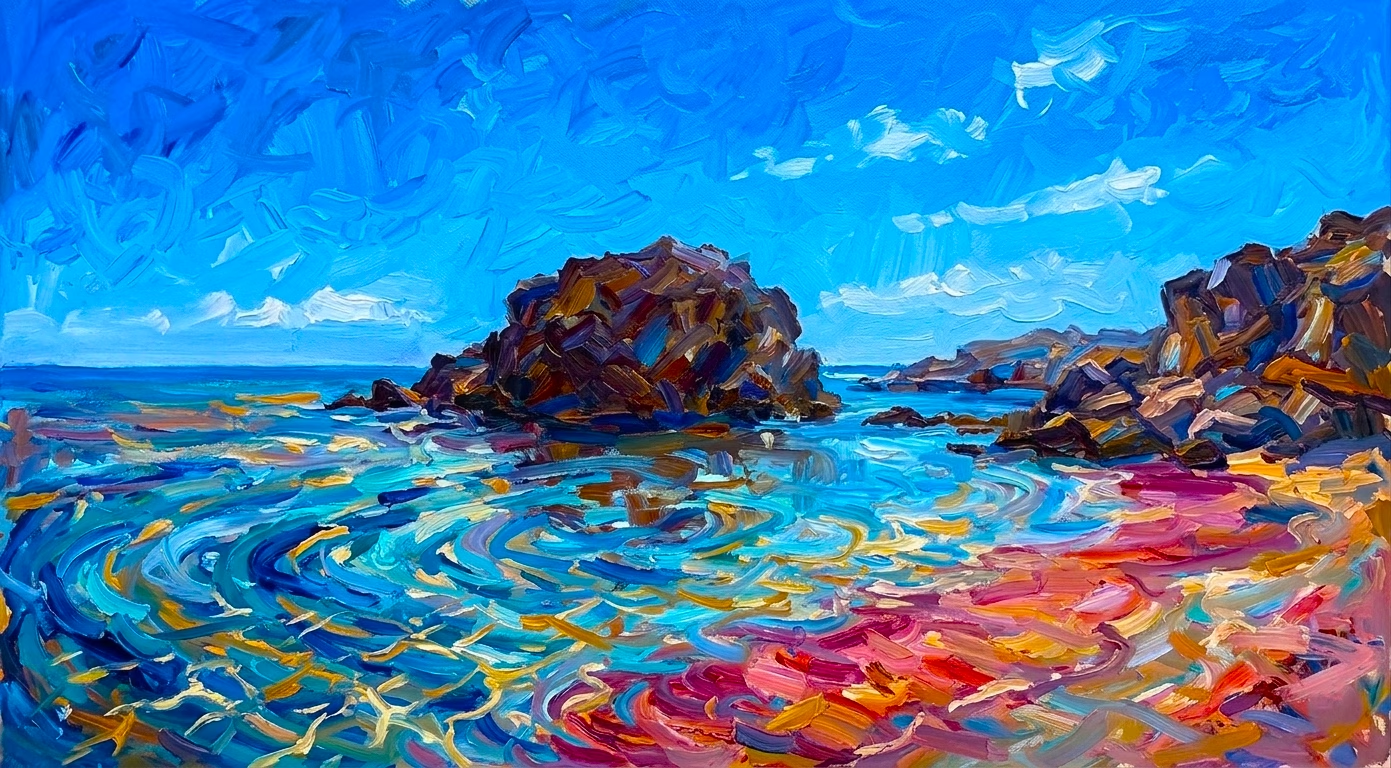
Riviera del Corallo auf Sardinien — kristallklares Meer und rote Klippen

Riviera del Corallo auf Sardinien

Alghero · Rote Korallen · Kristallklares Meer · Katalanische Traditionen

📈 Aktuelle Trends — Riviera del Corallo

Flüge nach Alghero Sommer 2026 auf Allzeithoch — die Riviera del Corallo gehört zu den meistgesuchten sardischen Reisezielen auf Google in diesem Frühling. Schnorcheln, rote Korallen und katalanische Gastronomie im Mittelpunkt.

#RivieraDelCorallo #Alghero #SardegnaMare #CoralloRosso 🔥 #AlgheroVibes
Maßgeschneiderte Reise nach Sardinien
Die Geschichte

Das Meer hat eine Farbe, die man nie vergisst

Es gibt einen Moment, wenn man entlang der Riviera del Corallo segelt, in dem das Meer aufhört, einfach nur schön zu sein, und zu etwas anderem wird: einem Versprechen. Das Wasser wechselt von Türkis zu Kobaltblau, die Klippen färben sich rot durch die Korallen, die darunter wachsen, und Alghero erhebt sich in der Ferne mit seinen Glockentürmen und mittelalterlichen Mauern, die auf dem Wasser zu schweben scheinen. Du bist in Sardinien, aber die Stimmen, die du hörst, duften nach Katalonien, nach Spanien, nach einem kulturellen Zusammentreffen, das in ganz Italien einzigartig ist.

Dieser Abschnitt der nordwestlichen Küste Sardiniens, zwischen Alghero und Capo Caccia, birgt einen der kostbarsten Schätze des Mittelmeers: das Corallium rubrum, die edle rote Koralle, die hier seit Jahrhunderten geerntet und zu weltberühmten Schmuckstücken verarbeitet wird. Doch die Riviera del Corallo ist weit mehr als eine Marke: Es ist ein Gebiet außergewöhnlicher mariner Biodiversität, spektakulärer Grotten, malerischer Meeresböden und einer Stadt, die noch immer Katalanisch spricht und Hummer mit derselben Hingabe wie vor 500 Jahren zubereitet.

Einzigartige Identität

Warum die Riviera del Corallo im Mittelmeer einzigartig ist

Die Riviera del Corallo zeichnet sich durch ein äußerst seltenes Zusammentreffen von Exzellenz aus: naturkundlich, historisch, kulturell und gastronomisch. Nur wenige Reiseziele in Italien können gleichzeitig mit einem versunkenen UNESCO-Standort, einer mittelalterlichen katalanischsprachigen Stadt, erstklassigen Meeresschutzgebieten und einer Korallenhandwerkstradition aus dem 15. Jahrhundert aufwarten.

🪸 Edle Rote Koralle

Das Corallium rubrum aus dem Golf von Alghero ist das wertvollste im Mittelmeer. Algheresischer Korallenschmuck ist international anerkannt.

🏰 Katalanisches Erbe

Alghero ist die einzige italienische Stadt, in der noch ein lebendiger katalanischer Dialekt gesprochen wird — das alguerès, ein Erbe der aragonesischen Herrschaft von 1354.

🌊 Neptungrotten

Zugänglich per Boot oder über die Escala del Cabirol (656 Stufen), gehören die Neptungrotten zu den schönsten Meereshöhlen Europas.

🐠 Meeresschutzgebiet

Das Meeresschutzgebiet Capo Caccia–Isola Piana bietet kristallklare Böden mit Posidonia, Zackenbarsch, Muränen und natürlich der roten Koralle.

Die Region

Ein Überblick über die Riviera del Corallo

Die Riviera del Corallo erstreckt sich entlang etwa 80 km Küste im Nordwesten Sardiniens, im Gebiet der Metropolstadt Sassari, genauer in der historischen Subregion Logudoro-Meilogu. Die Hauptstadt ist Alghero (ca. 44.000 Einwohner), eine mittelalterliche Stadt, die von mächtigen Mauern aus dem 16. Jahrhundert geschützt wird und ein Kreuzungspunkt zwischen sardischer und katalanisch-aragonesischer Kultur ist.

Das Gebiet umfasst auch die Gemeinden Villanova Monteleone, Ittiri, Uri, Olmedo und Porto Torres. Das Landesinnere, oft von Touristen vergessen, bietet Korkeichenwälder, nuragische Dolmen und Panoramastraßen durch eine Landschaft aus Kalkstein, Weinbergen und Olivenhainen. Das Klima ist mediterran, mit warmen und trockenen Sommern (Juli–August bis 32°C) und milden Wintern — ideal für Outdoor-Aktivitäten von April bis Oktober.

Sehenswürdigkeiten

Berühmte Orte und Sehenswürdigkeiten

Historische Städte

Alghero ist das Herz der Riviera. Die Bastionsmauern aus dem 16. Jahrhundert, erbaut von den Aragonesern, umschließen eine historische Altstadt von außergewöhnlicher Integrität, mit gepflasterten Gassen, gotisch-katalanischen Kirchen und herrschaftlichen Palästen. Der Dom Santa Maria (begonnen 1552) verbindet gotische, Renaissance- und Barockstile in einem Eklektizismus, der Jahrhunderte der Geschichte erzählt. Die Lungomare Dante und Lungomare Valencia bieten Panoramaspaziergänge mit Blick auf die Wachtürme, die sich im Golf spiegeln.

Sassari, nur 35 km entfernt, ist die zweitgrößte Stadt Sardiniens und beherbergt das Nationalmuseum Sanna, das bedeutendste archäologische Museum der Insel mit außergewöhnlichen nuragischen Fundstücken. Das historische Zentrum von Sassari mit dem Rathaus und dem Brunnen von Rosello verdient einen halben Tag.

Naturwunder

Die Neptungrotten (Capo Caccia) sind per Boot von Alghero aus erreichbar oder über die berühmten 656 Stufen der Escala del Cabirol. Im Inneren befindet sich eine Kathedrale aus Stalaktiten und Stalagmiten mit einem unterirdischen Salzsee von unwirklicher Farbe — ein weltbekanntes Naturerbe.

Das Capo Caccia, ein 170 m hohes Kalksteinvorgebirge, ist ein atemberaubender Aussichtspunkt: Vom Belvedere überblickt man den gesamten Golf von Alghero. Die Isola Piana, ein integrales Naturreservat, und die Strände von Le Bombarde, Lido und Mugoni vervollständigen ein Küstenmosaik von seltener Schönheit.

Im Landesinneren ist der Lago Baratz der einzige natürliche See Sardiniens, umgeben von Sanddünen und Wacholderwäldern — idealer Lebensraum für Flamingos und Reiher auf dem Zugweg.

Kunst und Architektur

Alghero ist eine Freiluft-Kunststadt. Die Kirche San Francesco (14. Jh.) mit ihrem gotisch-katalanischen Kreuzgang ist einer der eindrucksvollsten Räume Sardiniens. Der Palazzo d’Albis, in dem Karl V. 1541 übernachtet haben soll, beherbergt heute Wechselausstellungen.

Der Torre di Sulis und die anderen Wehrtürme der cinquecentesken Mauern sind begehbar und bieten privilegierte Meerblicke. Das Korallenmuseum erzählt 600 Jahre lokales Kunsthandwerk mit einzigartigen Schmuckstücken.

Die schönsten Dörfer

Villanova Monteleone, auf 700 m ü. M., ist ein Hirtendorf mit außergewöhnlichem Blick ins sardische Hinterland. Bekannt für Trachtenkostüme und traditionelles Weben.

Ittiri, im Herzen des Meilogu, bewahrt ein historisches Zentrum aus rotem Trachytstein, eine romanische Kirche und eine starke kulturelle Identität, die mit sardischen Tänzen und Trockenmauern verbunden ist. Olmedo, in Hügellage zwischen Vermentino-Weinbergen, ist perfekt für eine Weinroute im Hinterland der Riviera.

Gastronomie

Küche: eine kulinarische Reise zwischen Meer und katalanischer Tradition

Regionale Gerichte

Die Küche der Riviera del Corallo ist eine Brücke zwischen Sardinien und Katalonien. Der Hummer auf katalanische Art — gekocht und gewürzt mit Zwiebeln, Tomaten, Olivenöl und Zitronensaft — ist das Wahrzeichen-Gericht von Alghero und bei jedem Besuch unverzichtbar. Ebenso berühmt sind Spaghetti mit Venusmuscheln und Bottarga di Muggine sowie frische Seeigel auf Bruschetta, direkt am Hafen serviert.

Im Landesinneren findet man die ältesten Aromen: die Zuppa gallurese (altbackenes Brot, Schafbrühe, Käse), die Malloreddus al Schweineragout, den Porceddu (gebratenes Milchferkel) und den gereiften sardischen Pecorino. Zu den typischen Süßspeisen gehören Seadas (Teigtaschen mit Käse, Honig und Zitrone) und Pardulas mit Frischkäse, typisch für Ostern.

Wein und lokale Produkte

Das Gebiet produziert einige der besten Weißweine Italiens. Der Vermentino di Sardegna DOC, angebaut in den Hügeln um Olmedo und Alghero, ist aromatisch, mineralisch und ideal zum Fisch. Der Torbato, eine katalanische Rebsorte, die nur in Alghero vorkommt, produziert strukturierte und langlebige Weißweine — eine echte önologische Rarität. Der Cannonau — der sardische Rotwein schlechthin, dessen antioxidative Eigenschaften die Wissenschaft feiert — ist der ideale Begleiter zu Grillgerichten aus dem Hinterland.

Kultur

Traditionen und Feste

Veranstaltungen das ganze Jahr

🎭 Karneval von Alghero (Feb)

Masken, Festwagen und Kostümumzüge, die sardische und spanische Traditionen vermischen.

🌊 Coral Night (Jun)

Nächtliches Festival an der Strandpromenade, gewidmet der Koralle und dem handwerklichen Schmuck. Musik, Kunst und Verkostungen.

🎇 Musiksommer (Jul–Aug)

Konzerte im Kreuzgang von San Francesco und auf den historischen Plätzen von Alghero. Jazz, Klassik und sardische Musik.

⛵ Korallenregatta (Sep)

Internationaler Segelwettbewerb im Golf von Alghero, verfolgt von Tausenden von Begeisterten.

Traditionelle Feste

Das Fischfest im August verwandelt den Hafen von Alghero in ein Freiluftbankett, bei dem Hummer, Tintenfisch und Bratfisch kostenlos für alle Anwesenden angeboten werden. Im September ist das Fest des Heiligen Augustinus die Gelegenheit, die traditionellen algheresischen Kostüme zu sehen, mit dem charakteristischen katalanischen Einfluss in den Goldstickereien und dem Korallenschmuck.

In den Dörfern des Hinterlandes halten die sommerlichen Patronatsfeste (Juni–September) die Launeddas (sardisches Blasinstrument, UNESCO-Erbe), die traditionellen Tänze und den Ritus der Sartiglia in den weniger touristischen Ecken der Provinz lebendig.

Leben hier

Der Reiz des Lebensstils an der Riviera del Corallo

Das Leben in Alghero folgt einem langsamen Rhythmus, der es unwiderstehlich für alle macht, die sich entschleunigen möchten. Die Morgen duften nach Ensaïmada und Kaffee in den Konditoreien der Altstadt, die Nachmittage laden zur Siesta oder zum Schnorcheln in kleinen Buchten ein, die Abende verlängern sich an einem Tisch an der Strandpromenade mit Hummer und eiskaltem Weißwein. Die einheimische Gemeinschaft ist gastfreundlich, stolz auf ihre zweisprachige sardisch-katalanische Identität, und die Kriminalitätsrate ist eine der niedrigsten in Italien.

Für diejenigen, die länger bleiben möchten, bietet die Riviera del Corallo eine außergewöhnliche Lebensqualität: PADI-zertifizierte Tauchschulen, Windsurfing- und Kite-Zentren, wöchentliche Biomärkte und eine überraschend lebhafte Kulturszene für eine mittelgroße Stadt. Die Digitalisierung des Gebiets hat die Ankunft von digitalen Nomaden begünstigt, angezogen von Glasfaserverbindungen und Coworking-Spaces mit Meerblick.

Reiseroute

Tagesplan — 5 Tage an der Riviera del Corallo

Tag 1 — Alghero: Mauern, Bastionen und Sonnenuntergang am Meer

Ankunft in Alghero (Flughafen Fertilia, 12 km). Spaziergang entlang der Bastionsmauern, Besuch des Doms Santa Maria und der mittelalterlichen Türme. Aperitivo bei Sonnenuntergang auf den Mauern mit Blick auf den Golf. Abendessen mit Hummer auf katalanische Art im historischen Hafen.

🔗 Was man auf Sardinien unternehmen kann — ItalyTrade.org

Tag 2 — Neptungrotten und Capo Caccia

Bootsausflug (1 Std.) zu den Neptungrotten. Geführte Besichtigung der Stalaktiten und des unterirdischen Sees. Aufstieg über die Escala del Cabirol (656 Stufen). Picknick am Belvedere von Capo Caccia. Nachmittags Schnorcheln im Meeresschutzgebiet.

🔗 Natururlaub in Italien — ItalyTrade.org

Tag 3 — Strände und Korallen

Morgens am Strand von Le Bombarde (weißer Sand, kristallklares Wasser). Nachmittags: Besuch des Korallenmuseums in Alghero und Kauf von zertifiziertem Kunsthandwerk. Abends: Fischessen im alten Hafen.

Tag 4 — Hinterland: Villanova Monteleone und Vermentino-Weinberge

Morgens Aufbruch nach Villanova Monteleone (700 m ü. M.). Besuch der Altstadt und Treffen mit Textilhandwerkern. Mittagessen auf einem Agriturismo mit Porceddu und Cannonau. Nachmittags in den Weinkellern von Olmedo zur Verkostung von Torbato und Vermentino.

Tag 5 — Lago Baratz und Abreise

Morgens am Lago Baratz und den Dünen von Porto Ferro: Vogelbeobachtung unter Flamingos und Reihern. Halt auf dem Biomarkt von Alghero, um Bottarga, Pecorino und Kratzdistelhhonig zu kaufen. Transfer zum Flughafen.

🔗 Typische italienische Produkte — ItalyTrade.org

Reise planen

Wie viele Tage, Unterkunft und beste Reisezeit

Beste Reisezeit: Mai–Juni und September–Oktober für die beste Kombination aus Klima, badegeeignetem Meer und weniger Andrang. Juli und August sind die Hochsaison: hohe Preise, Buchungen Monate im Voraus nötig, aber Festivals und Veranstaltungen auf dem Höhepunkt. April ist ideal für Ausflüge und Küstenwanderungen ohne übermäßige Hitze.

Empfohlene Aufenthaltsdauer: Mindestens 4 Tage für Alghero und die unmittelbare Umgebung; 7–10 Tage, um die Riviera del Corallo mit Costa Smeralda, Sassari und den Nuraghen des Logudoro zu kombinieren.

Unterkunftspreise nach Kategorie

B&B / Zimmer zur Vermietung €60–110

pro Nacht, Nebensaison (Apr–Jun, Sep–Okt)

B&B / Zimmer zur Vermietung €90–160

pro Nacht, Hochsaison (Jul–Aug)

3-Sterne-Hotel €110–180

pro Nacht, Nebensaison

3-Sterne-Hotel €170–280

pro Nacht, Hochsaison

4–5-Sterne-Resort €250–450

pro Nacht, Nebensaison

4–5-Sterne-Resort €400–900

pro Nacht, Hochsaison

Made in Italy lokal

Exzellente Made-in-Italy-Produkte der Riviera del Corallo

🪸 Edle Rote Koralle

Schmuck und Kunsthandwerk aus Corallium rubrum, zertifiziert und rückverfolgbar. Höchste Konzentration von Gold- und Korallenhandwerkern in der Altstadt von Alghero.

🍷 Vermentino di Sardegna DOC

Aromatischer und mineralischer Weißwein, perfekt zu Fisch. Die Weinkeller von Olmedo und Alghero produzieren einige der preisgekröntesten Etiketten.

🍷 Torbato di Alghero DOC

Katalanische Rebsorte, einzigartig auf Sardinien. Strukturierter und langlebiger Weißwein — absolute Rarität der italienischen Önologie.

🧀 Pecorino Sardo DOP

In Steinkellern gereift, mit intensivem Aroma mediterraner Kräuter. Slow Food Presidium.

🐟 Bottarga di Muggine

Die getrockneten Eier der Meeräsche, gegrillt oder über Pasta gerieben, sind der „Trüffel des Meeres“ Sardiniens.

🧺 Traditionelle Textilien

Handgefertigte Wandteppiche und Wollteppiche der Handwerkerinnen aus Villanova Monteleone mit geometrischen Motiven der sardischen Kultur.

Luxury Wedding

Hochzeitslocations an der Riviera del Corallo

Die Riviera del Corallo bietet märchenhafte Kulissen für exklusive Zeremonien. Die Bastionsmauern von Alghero im Sonnenuntergang, der gotische Kreuzgang von San Francesco, herrschaftliche Villen zwischen Vermentino-Weinbergen und Strandresidencen schaffen einen Rahmen aus echtem mediterranen Romantik.

Die Kombination aus außergewöhnlicher Meereslandschaft, Spitzenküche (Hummer, DOC-Weine, DOP-Käse), Korallenhandwerk für einzigartige Gastgeschenke und erstklassigen Dienstleistungen macht die Riviera zu einem der aufstrebenden Hochzeitsreiseziele im Mittelmeer. Standesamtliche Trauungen können direkt auf der Terrasse des Rathauses von Alghero stattfinden, mit Panoramablick auf den Golf.

🔗 Luxury Wedding Services entdecken — ItalyTrade.org

Immobilien

Luxusimmobilien an der Riviera del Corallo

Der Immobilienmarkt der Riviera del Corallo wächst kontinuierlich, angetrieben von italienischen Käufern (Mailand, Rom) und ausländischen Interessenten (Deutschland, Schweiz, Frankreich, USA). Alghero bietet ein vielfältiges Angebot: Wohnungen in der mittelalterlichen Altstadt, Meerfront-Villen an der Costa del Corallo, Weinbauernhöfe im Hinterland von Olmedo und Panoramaresidenzen in den Hügeln mit Blick auf den Golf von Alghero.

Die Preise beginnen bei etwa €3.500/m² für Wohnungen in der Altstadt von Alghero und können für Luxusvillen am Meer mit direktem Strandzugang €12.000–18.000/m² erreichen. Das Gebiet ist besonders attraktiv für Investoren, die renditeträchtige Immobilien im Luxus-Vermietungssegment suchen, mit Netttorenditen von 5–8% pro Jahr in der Hochsaison.

🔗 Luxusimmobilien auf Sardinien — ItalyTrade.org

Wo essen

Restaurants nach Kategorie

🦞 Fisch & Meeresfrüchte

Restaurants spezialisiert auf Hummer auf katalanische Art, Spaghetti mit Seeigeln, Frischfisch. Konzentriert im historischen Hafen von Alghero, mit Meerblick.

🥩 Traditionelle sardische Küche

Porceddu, Malloreddus, Pecorino und Cannonau in Trattorien des Hinterlandes. Authentische Atmosphäre, günstige Preise, reichliche Portionen.

🍽 Gourmet / Sterne-Restaurants

Köche, die die sardisch-katalanische Küche mit zeitgenössischen Techniken neu interpretieren. Degustationsmenüs mit Vermentino- und Torbato-Begleitung.

🌿 Agriturismi

Bio-Bauernhöfe mit km-0-Mittagessen zwischen Weinbergen und Olivenhainen: Frischkäse, Honig, Aufschnitt und Hauswein.

🍕 Pizzerien und Trattorien

Informelle Lokale im Zentrum von Alghero, ideal für Familien, mit holzofengebackener Pizza und handgemachter Pasta zu erschwinglichen Preisen.

☕ Bars und Konditoreien

Frühstück mit Ensaïmada (katalanisches Gebäck), Myrte und Käse. Aperitivo bei Sonnenuntergang auf den Mauern mit lokalen Weinen und spanisch inspirierten Tapas.

Besucheranalyse

Besucherprofil — Customer Personas

👥 Personas
Paare (25–45 Jahre) — 35%
Familien mit Kindern — 25%
Über 50 (Kultur/Erholung) — 20%
Jugendliche (18–30, Abenteuer) — 12%
Business/Hochzeit — 8%
Statistiken

Touristische Übernachtungsstatistiken

0 Ankünfte/Jahr (Alghero)
0 Übernachtungen/Jahr
0 Ø Aufenthaltsnächte
0 % Ausländische Touristen
0 % Italienische Touristen
0 Beherbergungsbetriebe
Herkunft

Woher kommen die Besucher?

Italiener nach Region

Lombardei22%
Latium18%
Piemont12%
Kampanien9%
Toskana8%
Andere Regionen31%

Ausländer nach Sprache

🇩🇪 Deutsch28%
🇬🇧 Englisch22%
🇫🇷 Französisch18%
🇨🇭 Schweizer12%
🇪🇸 Spanisch10%
🌍 Andere Sprachen10%
Häufig gestellte Fragen

FAQ — Riviera del Corallo auf Sardinien

Der Flughafen Alghero-Fertilia (AHO) ist direkt mit zahlreichen europäischen Städten verbunden — Mailand, Rom, Bergamo, Frankfurt, München, Berlin und mehr — mit Billigfluggesellschaften wie Ryanair, Wizz Air und Volotea. Er liegt nur 12 km vom Zentrum Algheros entfernt. Alternativ ist der Hafen von Porto Torres (38 km) mit der Fähre von Genua, Civitavecchia und Barcelona erreichbar.

Mai–Juni und September–Oktober sind ideal: badegeeignetes Meer (22–25°C), wenig Andrang, Preise 30–40% niedriger als im August. Juli–August garantiert das Maximum an Animation und das wärmste Klima (28–32°C), erfordert aber Frühbuchungen. April ist perfekt für Wanderungen und Kulturbesuche.

Unbedingt ja. Alghero ist kompakt und zu Fuß erkundbar, aber für die Neptungrotten, die Strände von Porto Ferro und Mugoni, die Hinterlanddörfer und die Weinkeller ist ein Auto unverzichtbar. Mietpreise am Flughafen ab ca. €40/Tag in der Nebensaison. Parkplätze in der Stadt sind in den Bereichen außerhalb der Mauern verfügbar.

Die Altstadt von Alghero hat Dutzende von Goldschmieden mit zertifizierter und rückverfolgbarer Koralle. Immer nach dem Echtheitszertifikat und dem Dokument über nachhaltige Herkunft fragen (EU-Verordnung 1042/2007). Bei zu niedrigen Preisen Vorsicht walten lassen: echte Qualitätskoralle beginnt bei €80–150 für die einfachsten Stücke.

Ja, die Riviera del Corallo ist eines der besten Unterwasser-Reiseziele des Mittelmeers. Das Meeresschutzgebiet Capo Caccia–Isola Piana bietet spektakuläre Meeresböden. Mehrere PADI-zertifizierte Tauchzentren sind in Alghero tätig, mit Ausrüstungsverleih und Guides für alle Niveaus. Schnorcheln ist in den Buchten von Le Bombarde und Mugoni frei möglich.

Ja. Das Alguerès ist ein katalanischer Dialekt, der noch von einem Teil der einheimischen Bevölkerung gesprochen wird — ein Erbe der aragonesischen Kolonisierung von 1354. Straßenschilder und viele Geschäftsaufschriften sind zweisprachig (Italienisch-Katalanisch). Ein einzigartiges Kulturerlebnis: eine Bar zu betreten und jemanden auf Katalanisch bestellen zu hören!

Nur 35 km entfernt bietet Sassari ein interessantes historisches Zentrum und das Nationalmuseum Sanna. In 60 km Entfernung ist der Nationalpark Asinara (erreichbar von Porto Torres) einer der schönsten Naturparks Italiens. Der Nuraghe Palmavera (10 km von Alghero) ist einer der besterhaltenen nuragischen Komplexe Sardiniens. Die Neptungrotten, Capo Caccia und der Lago Baratz sind unverzichtbar.

Fazit

Die italienische Kultur an der Riviera del Corallo umarmen

Die Riviera del Corallo ist nicht nur ein Reiseziel: Sie ist ein Manifest dessen, was Italien insgesamt zu bieten hat. Eine Meereslandschaft von absoluter Schönheit, die mit einer zweisprachigen mittelalterlichen Stadt koexistiert, ein jahrtausendealtes Kunsthandwerk, das nie unterbrochen wurde, eine Küche, die die Geschichte zweier im Mittelmeerraum verschmolzener Kulturen erzählt. Hierherzukommen bedeutet, einen Schritt abseits der Massentourismusrouten und in eine Authentizität zu tun, die das Mittelmeer anderswo fast verloren hat.

Bei der Heimreise nehmt ihr den Geschmack des Hummers bei Sonnenuntergang mit, die kristallklare Kälte der Neptungrotten, das warme Gewicht eines roten Korallenschmuckstücks in der Handfläche — und die Gewissheit, dass Nordwestsardinien noch viel zu sagen hat für diejenigen, die zuhören können.

🔗 Planen Sie Ihre maßgeschneiderte Reise mit ItalyTrade.org

Redaktionelle Transparenz

Wer hat diesen Artikel geschrieben? Auf welcher Grundlage?

📋 Transparenz und Überprüfbarkeit

Verfasst von: Giuseppe Baldassarri — ItalyTrade.org.
Auf welchen Belegen basiert es: Verifizierte und im Text verlinkte Quellen.
Gibt es andere Standpunkte: Ja, wo relevant angegeben.
Mögliches verstecktes Interesse: Keines. Unabhängige redaktionelle Inhalte.

Giuseppe Baldassarri – ItalyTrade.org

Giuseppe Baldassarri

Sales & Account Manager · Destination & Export Digital Marketing Manager · Travel Designer · TTO

Website: ItalyTrade.org — Reisen & Business | Italy: Made in Italy

„Italienische Exzellenz in globale Sichtbarkeit im Zeitalter der künstlichen Intelligenz verwandeln“

Facebook LinkedIn Instagram TikTok

ItalyTrade.org

Luxusimmobilien | Export | Luxury Wedding | Travel Design

IT | EN | NL | FR | DE | ES | ZH | AR

© 2026 — Alle Rechte vorbehalten ItalyTrade.org

Datenschutzrichtlinie » Cookie-Richtlinie » Nutzungsbedingungen » Bildlizenzen » Sitemap » Dienstleistungen » Bewertungen » Kontakt » Arbeiten Sie mit uns

Baldassarri Giuseppe Destination & Export Digital Marketing Manager


⭐ Top Activities
Vatican
Museums & Sistine Chapel Ticket
➔
Milan
Cathedral & Duomo's Terraces Ticket
➔
Rome
Colosseum, Roman Forum & Palatine Hill Guided Tour
➔
Rome
Rome: Colosseum Arena Floor, Palatine & Forum Guided Tour
➔
Rome
Rome: Colosseum & Forum with Audio Guide App -Optional Arena
➔
Rome
Vatican Museums, Sistine Chapel & St. Peter's Basilica Tour
➔
Rome
Rome: Colosseum, Forum, Palatine Hill Entry, and Audio Guide
➔
Venice
Venice: Waterbus and Mainland Bus Pass
➔
Rome
Vatican Museums & Sistine Chapel Skip-the-Line Entry Ticket
➔
Florence
Florence: Pasta Cooking Class with Unlimited Wine
➔
Rome
Rome: Vatican Museums, Sistine Chapel & Basilica Tour
➔
Pompei
Pompeii: Entry Ticket and Guided Tour with an Archaeologist
➔
Rome
Rome: Big Bus Hop-on, Hop-off Open-Top Sightseeing Tour
➔
Rome
Rome: Pantheon Entry Ticket and Official Audioguide
➔
Rome
Vatican, Sistine Chapel & St. Peter's Skip-the-Line Tour
➔
Rome
Rome: Colosseum, Forum, Palatine Hill Entry & Audioguide App
➔
Venice
Venice: Doge's Palace Reserved Entry Ticket
➔
Milan
From Milan: Lake Como Private Boat, Bellagio and Lugano
➔
Florence
Florence:Uffizi Gallery Ticket & Audio Guide or Tour Options
➔
Florence
Florence: Michelangelo's David Skip-the-Line Entry Ticket
➔
Rome
Fiumicino Airport (FCO): Shuttle Bus To/From Roma Termini
➔
Florence
Florence: Brunelleschi's Dome Climb Entry Ticket & Duomo
➔
Rome
Rome: Pasta & Tiramisu Class with Fine Wine by the Vatican
➔
Venice
Venice: Grand Canal Gondola Ride with App Commentary
➔
Rome
Rome: Castel Sant'Angelo Entry Ticket & Digital Audioguide
➔
Naples
Naples: Naples Underground Entry Ticket and Guided Tour
➔
Rome
Colosseum, Roman Forum & Palatine Hill Entry and Audioguide
➔
Rome
Fiumicino Airport (FCO): Bus Transfer from/to Rome Termini
➔
Venice
Murano, Burano & Torcello: Half-Day Boat Tour in Venice
➔
Venice
Venice Islands: Murano Glass & Burano Colors Guided Visit
➔
Rome
From Rome: Pompeii, Amalfi Coast, and Sorrento Day Trip
➔
Rome
Rome: Colosseum Access with Official App & Arena Option
➔
Venice
Venice: Bus Transfer between Marco Polo Airport and City
➔
Venice
Venice: Marco Polo Airport Water Taxi Transfer
➔
Bari
UNESCO Tour: Alberobello and Matera by private bus from Bari
➔
Naples
From Naples: Sorrento, Positano & Amalfi Premium Tour
➔
Pisa
Pisa: Entrance Ticket to Leaning Tower & Cathedral
➔
Florence
Florence: Pasta & Tiramisu Cooking Class with Unlimited Wine
➔
Rome
Rome: City Sightseeing Hop-on Hop-off Bus with Audioguide
➔
Florence
Florence: Chianti Wineries Tour with Wine Tasting
➔
Rome
Rome: St. Peter's Basilica, La Pietà, Papal Tombs and Dome
➔
Milan
Milan: City Sightseeing Hop-On Hop-Off Bus with Audio Guide
➔
Venice
Venice: Boat Transfer to/from Marco Polo Airport w/ 3 Routes
➔
Milan
Milan: Milan Cathedral Direct Entrance - Terrace Excluded
➔
Florence
Florence: Accademia Gallery & David Skip-the-Line Ticket
➔
Rome
Rome: St. Peter's Basilica, Dome Climb, and Underground Tour
➔
ItalyTrade.org Viaggio su misura
✈️ Pianifica il viaggio
7-Day Italy Itinerary — panorama

7-Day Italy Itinerary: What to See, Map and Stops

From Rome to Venice, via Florence and Tuscany: a practical day-by-day guide

Editorial note. This article only includes sections for which a public source was found and verified.

Itinerary index

  1. 1. Introduction
  2. 2. An unmatched heritage
  3. 3. Why this itinerary works
  4. 4. The stops: cities, nature, art, villages
  5. 5. A journey through Italian flavors
  6. 6. Traditions and event calendar
  7. 7. Art and architecture
  8. 8. The Italian lifestyle
  9. 9. Villages and alternative routes
  10. 10. How many days, where to stay, when to go
  11. 11. Made in Italy excellence
  12. 12. Dream wedding locations
  13. 13. Luxury real estate
  14. 14. Prices and budget
  15. 15. Where to eat
  16. 16. Who visits Italy
  17. 17. Statistics and figures
  18. 18. Where visitors come from
  19. 19. Day-by-day itinerary
  20. 20. FAQ
  21. 21. Conclusion

📈 Trending today — 7-Day Italy Itinerary

Autumn is driving travel searches: grape harvests in Tuscany and Piedmont, foliage and the Alba White Truffle Fair are boosting interest in road-trip itineraries across Italy.

#ItalyTrip #ItalyItinerary #VisitItaly #DolceVita 🔥 #WhiteTruffle
Instagram TikTok Facebook X / Twitter
Plan a tailor-made trip
Introduction

Seven days, an entire country to discover

A 7-day Italy itinerary is the most realistic way to cross the country without sacrificing its soul: from Rome to Venice, via Florence and the Tuscan countryside, each stop tells a different chapter of the same centuries-old story. There is no need for a complicated route: a handful of well-connected cities by train or car, plus a pace that leaves room for the unexpected, is what several travel guides dedicated to one-week tours of the country recommend. Spotahome guide — Touring Italy in 7 days

Geographically, Italy stretches over 1,200 km from the Alps to Sicily, but a one-week itinerary works best when it focuses on a North-Central axis, reducing travel time and increasing the actual time spent in each city: Rome, Florence and Venice remain the most recommended stops for travelers with only seven days available. Visititaly.eu — Italy Express, the essential 7-day itinerary

📍
61
UNESCO sites in Italy (2026)
🌡️
14–24°C
Average autumn temperatures
🗣️
Italian
Official language
✈️
Rome · Milan
Main airport hubs
Culture and nature

An unmatched artistic heritage

Italy is the country with the highest number of World Heritage Sites in the world: as of 2026 the Ministry of Culture's official count stands at 56 historic recognitions, a record no other nation holds. Ministry of Culture — Italian UNESCO World Heritage Sites

According to Wikipedia's update based on UNESCO data, by 2026 the total number of inscribed heritage sites rises to 62, of which 55 are cultural and 6 natural: a mosaic ranging from the historic centers of Rome and Florence to the Dolomites, from the Cinque Terre to the vineyard landscapes of Piedmont and Tuscany. Wikipedia — World Heritage Sites of Italy

Uniqueness

Why this itinerary works in 7 days

🏛️ The country with the most UNESCO sites in the world

No other nation can count on a similar concentration of art, history and landscapes recognized by the whole of humanity, spread across even lesser-known regions. GreenMe — UNESCO heritage sites in Italy, the complete map

🍝 A cuisine that changes from region to region

From Rome to Venice, the itinerary's food changes radically: carbonara in the capital, steak in Tuscany, sarde in saor in the Venetian lagoon. Spotahome — Touring Italy in 7 days

🎭 Centuries-old traditions, still alive

Events such as the Palio di Siena, a horse race held twice a year in Piazza del Campo since the Middle Ages, show how Italy's calendar is still shaped today by authentic historic rituals. Municipality of Siena — The Palio di Siena

Places and sites

The must-see stops of the itinerary

Lazio

Rome

The Colosseum, the Imperial Forums and the Palatine Hill make up Italy's most visited archaeological park: the standard ticket costs €18 and is valid for 24 hours. Colosseo.it — Official opening hours and tickets

Tuscany

Florence

Tuscany's Renaissance heart revolves around Piazza del Duomo, the Ponte Vecchio and the Uffizi Gallery, open Tuesday to Sunday from 8:15 am to 6:30 pm. B-ticket — Official Uffizi ticket office

Veneto

Venice

Built on 118 small islands linked by 354 bridges and crossed by 177 canals, Venice is best explored on foot and by vaporetto along the Grand Canal. Venezia-tourism.com — Tourist information

Tuscany

Siena

The medieval center that hosts the Palio, the traditional horse race run in Piazza del Campo on July 2 and August 16 every year. Municipality of Siena — The Palio

Tuscany

Val d'Orcia and Chianti

Vine-covered hills between Siena and Montalcino, best visited in September and October during the grape harvest, when the vineyards turn red and gold. Freedome — Where to go on holiday in Italy in 2026

Liguria

Cinque Terre

Five villages perched over the sea — Monterosso, Vernazza, Corniglia, Manarola and Riomaggiore — linked by scenic trails along the Ligurian coast. Spotahome — Touring Italy in 7 days

Trentino-Alto Adige

The Dolomites

A UNESCO World Heritage Site since 2009, the Dolomites offer a mountain alternative for those wishing to extend the itinerary beyond the classic seven days. Wikipedia — World Heritage Sites of Italy

Piedmont

Langhe and Roero

The hills of Piedmont, home to Barolo and Barbaresco wines, take center stage in autumn with the hunt for the white truffle. Freedome — Destinations for 2026

Florence

Uffizi Gallery

One of the most visited museums in the world, it holds the largest collection of Botticelli and Raphael works from the Florentine Renaissance. Toscana.info — Uffizi Gallery, works and information

Rome

Imperial Forums and Palatine Hill

The Palatine Hill, home to the imperial palaces after Augustus, today houses the Palatine Museum with finds from Rome's earliest history. Ministry of Culture — Roman Forum and Palatine Hill

Rome

Flavian Amphitheatre

Built in the 1st century AD under the Flavian dynasty, the Colosseum remains the largest amphitheatre ever built in the world. Ministry of Culture — Colosseum, Flavian Amphitheatre

Venice

St Mark's Basilica

The symbol of the Serenissima overlooks Venice's most famous square, an ideal starting point for exploring the city's six sestieri (districts). Venezia-tourism.com

Siena

San Gimignano

Its medieval towers dominate the Sienese countryside, recognized as a UNESCO site for the pastoral landscape of the Via Francigena. Archètravel — 10 UNESCO sites in Italy you shouldn't miss

Piedmont

Alba

The capital of the Langhe turns its medieval center into a food-and-wine hub every autumn during the White Truffle Fair. Tartufi Ratti — Guide to the Alba White Truffle Fair

Liguria

Vernazza and Manarola

Two of the five Cinque Terre villages, also reachable by train along the Ligurian coast, ideal for a stop off the beaten path. Spotahome — Touring Italy in 7 days

Marche

Gradara and the Conero Riviera

Castle villages and scenic coastline often suggested as a less crowded alternative to Central Italy's better-known destinations. Tripadvisor Italy Forum — Travel advice

Food and wine

A journey through Italian flavors

Each stop of the itinerary corresponds to a different cuisine: in Rome you eat carbonara in the Trastevere neighborhood, moving north you shift to Tuscan cuisine and finally to Venice's lagoon flavors. Spotahome — Touring Italy in 7 days

🍝 Regional dishes not to miss

Carbonara

The quintessential Roman dish, best tasted in Trastevere during the Rome stop.

Bistecca alla fiorentina

A signature cut of Tuscan cuisine, typical of trattorias in central Florence.

Pici with truffle

Handmade pasta from Siena paired with truffle, also a star in the Piedmontese Langhe.

Sarde in saor

A sweet-and-sour Venetian dish with sardines, onions and raisins, typical of Venice's bacari.

Venetian cicchetti

Traditional small bites served in the bacari of the Cannaregio and Castello districts.

Chianti DOCG

The red wine that symbolizes Tuscany, produced on the hills crossed during the itinerary.

🍷 Wines along the route

The Chianti hills between Siena and Florence remain the most popular wine destination on the central leg of the itinerary, while travelers extending the trip toward Piedmont can pair the autumn stop with Barolo and Barbaresco tastings in the Langhe. Freedome — Where to go on holiday in Italy in 2026

Traditions

Traditions and events along the itinerary

🎉 Event calendar

Palio di Siena — July 2 and August 16

The Carriera in Piazza del Campo, raced by the city's Contrade, remains one of the most authentic identity-driven events in Tuscany. Municipality of Siena — Palio ordinances and schedule

Alba International White Truffle Fair — 10 October–6 December 2026

Now in its 96th edition, the fair turns Alba into a food-and-wine hub with a world truffle market and tastings across the Langhe. Piemonte Expo — Alba White Truffle Fair 2026

Grape harvest in Tuscany and Piedmont — September-October

The grape-picking season makes the hills of Chianti and the Langhe especially picturesque, with plenty of local food-and-wine events. Freedome — Destinations for 2026

⛪ A calendar shaped by centuries-old rites

From the historic procession that precedes the Palio di Siena to the religious celebrations tied to the Assumption on August 16, many of the traditions encountered along a 7-day itinerary trace their roots back to the Middle Ages and are still managed directly by local communities. Municipality of Siena — The Palio di Siena

Art and architecture

Art and architecture: the masterpieces not to miss

The Uffizi hold the world's largest collection of Botticelli and Raphael works, alongside masterpieces by Giotto, Titian, Leonardo da Vinci and Caravaggio, inherited from the Medici family's private collection. Toscana.info — Uffizi Gallery, works and information

In Rome, the Colosseum Archaeological Park combines the Colosseum, the Roman Forum and the Palatine Hill into a single route: ticket sales open 30 days before the visit, and online booking is recommended to avoid queues. Colosseo.it — Opening hours and tickets

Everyday life

The charm of the Italian lifestyle

Strolling through Trastevere in Rome, crossing the Ponte Vecchio in Florence, or getting lost among Venice's calli means stepping into a pace of life made of piazzas, markets and coffee stops that remains the true added value of a one-week itinerary. Agoda — 7 days of Italian indulgence

In Venice, local life is inseparable from the lagoon: the city is organized into six sestieri — Cannaregio, Castello, Dorsoduro, Santa Croce, San Marco and San Polo — and is lived mainly on foot or by water. Venezia-tourism.com — Tourist information

Villages and routes

Villages and alternative itineraries

Travelers wanting to vary the classic Rome-Florence-Venice axis can turn the itinerary south, alternating Rome, Naples and the Amalfi Coast, or toward Piedmont in autumn to combine the Langhe hills with the White Truffle Fair. Spotahome — Touring Italy in 7 days

🗺️ Short itinerary (7 days): Rome – Florence – Venice

Days 1-2: Rome. Days 3-4: Florence and Siena. Days 5-6: Venice. Day 7: Verona day trip and departure.

🗺️ Extended itinerary (10-14 days): North-Central-South

By adding a few days, the route can be extended from Milan all the way to Naples and the Amalfi Coast, a route often suggested by travel guides as a complete North-South alternative. Spotahome — Touring Italy in 7 days

Planning

How many days, where to stay, when to go

⏱️ Recommended duration

Seven days are enough to realistically cover the Rome-Florence-Venice axis, allowing roughly two full days for each city plus a transition day for train travel. Visititaly.eu — Italy Express, the essential 7-day itinerary

🏨 Where to stay (by type)

Hotels and resorts

In the historic centers of Rome, Florence and Venice, mid- to high-range hotels remain the most practical option for travelers with limited time who want to walk between the main attractions.

Apartments and holiday homes

A recommended option for families or multi-night stays in the same city, often cheaper than a hotel in central areas.

Agriturismo (farm stays)

Ideal for the Tuscany leg, between Siena and San Gimignano, to experience the Chianti hills described by travel guides. Spotahome — Touring Italy in 7 days

Campsites and glamping

A more budget-friendly alternative for independent travelers, common along the coast and in the hilly areas of Central Italy.

📅 Best time to go

The best time for a 7-day itinerary runs from late April to early June, or from mid-September to mid-October, when the weather is mild, crowds are thinner, and temperatures stay between 14°C and 24°C. iRoamly — Best time to visit Italy

Local excellence

Made in Italy excellence along the route

Alba's white truffle, Tuscan Chianti DOCG and the wines of Langhe and Roero are among the most representative products encountered right along this itinerary, with the Alba fair drawing over 600,000 visitors every year across the Langhe, Monferrato and Roero. Sapori News — Alba International White Truffle Fair 2026

Destination wedding

Dream wedding locations along the itinerary

Tuscan villas between Siena and Florence, and historic Venetian palaces, are among the most sought-after locations for international weddings in Italy, thanks to a combination of landscape, art and hospitality services now well established in the luxury travel sector. Discover ItalyTrade's luxury wedding services.

Real estate

Luxury real estate along the itinerary

The areas covered by this itinerary — from the historic center of Florence to the Chianti hills, all the way to the historic palaces of Venice — remain among Italy's most sought-after luxury real estate markets for international investors. Learn more about the luxury real estate market.

Prices and budget

Accommodation prices: low and high season

🌧️ Low season
(January-March, November)

€100–350

Double room in a 3-4 star hotel in the historic centers of Rome, Florence or Venice.

☀️ High season
(June-August, December)

€350–1000

Same accommodation types, with rates in historic centers that can exceed €1,000 a night for luxury options.

🍽️ Budget restaurant

€100–200

Dinner for two at a traditional trattoria, wine included.

🦞 Gourmet restaurant

€200–1000

Tasting menu at a Michelin-starred restaurant in Rome, Florence or Venice, wine pairing included.

Where to eat

Where to eat along the itinerary

🍝 Traditional trattoria

In Rome's Trastevere, this is the most recommended option for tasting authentic carbonara in an informal setting. Spotahome — Touring Italy in 7 days

🍷 Wine bar with kitchen

Common between Siena and the Chianti hills, pairing local wine tastings with traditional Tuscan country dishes.

🥗 Agriturismo

In Tuscany, this lets you eat farm-to-table produce directly on the estate where you are staying.

🍢 Venetian bacaro

In Venice, bacari serve cicchetti and small glasses of wine standing up — a local habit not to miss in the Cannaregio and Castello districts.

Visitor analysis

Who visits Italy?

In the fourth quarter of 2025, foreign visitors accounted for 56.5% of total overnight stays in Italy, up 5.1% year-on-year, while overnight stays by Italian tourists remained broadly stable. Confcommercio — Tourism in Italy, Q4 2025 (Istat data)

Share of foreign and Italian overnight stays, Q4 2025 56.5% foreign
  • 56.5% Overnight stays by foreign tourists
  • 43.5% Overnight stays by Italian tourists

Source: Istat, Movement of clients in accommodation facilities, Q4 2025. Full source

Data and figures

Tourism statistics in Italy

0 Million visitors in 2024 (record)
0 UNESCO sites in Italy (2026)
0 Average nights, foreign tourists
0 % of overnight stays generated by foreigners

Sources: Roami, Ministry of Culture, Confcommercio/Istat.

Origins

Where do visitors come from?

According to Bank of Italy data, the inbound tourism flow is fed by both European and non-European travelers: Germany and Spain remain the leading countries of origin, while arrivals from the Gulf states and the Far East are growing rapidly. Businessonline — Official Bank of Italy data on tourism in Italy, 2025

July is confirmed as the peak month for foreign tourist arrivals, with 42.7 million overnight stays recorded in summer 2025, while Italians continue to prefer August for their own holidays. Valigiamo — Summer 2025, Istat data on tourism in Italy

Detailed itinerary

7-day itinerary, day by day

Days 1-2

Rome

Colosseum, Roman Forum and Palatine Hill in the morning with a pre-booked ticket; in the afternoon, the Trevi Fountain, the Pantheon and dinner in Trastevere.

Book the Colosseum on the official site

Day 3

Florence

Piazza del Duomo, Ponte Vecchio and the Uffizi Gallery: allow at least 2-3 hours for the museum visit.

Official Uffizi tickets

Day 4

Siena and San Gimignano

A day in Tuscany between Piazza del Campo in Siena and the medieval towers of San Gimignano, returning to Florence in the evening.

Days 5-6

Venice

St Mark's Basilica, Doge's Palace, a vaporetto ride along the Grand Canal, and a stop on the islands of Murano and Burano.

Tourist information about Venice

Day 7

Verona and departure

A half-day excursion to Verona, returning to Venice in time for your departing flight or train.

Plan your itinerary with ItalyTrade

Frequently asked questions

FAQ — 7-Day Italy Itinerary

The most recommended axis is Rome-Florence-Venice, with an optional stop in Siena or Verona. Source: Visititaly.eu

Late April to early June, or mid-September to mid-October, when temperatures stay between 14°C and 24°C and crowds are thinner. Source: iRoamly

The standard 24-hour ticket for the Colosseum, Roman Forum and Palatine Hill costs €18, with mandatory booking of the entry time slot. Source: Colosseo.it

Yes: the Uffizi Gallery is among the most visited museums in the world, and booking online significantly cuts down waiting times at the ticket office. Source: B-ticket, official Uffizi ticket office

As of 2026, Italy holds the highest number of UNESCO sites in the world, between 56 and 62 depending on the source and counting method. Source: Ministry of Culture

Yes, the City of Venice applies an Access Contribution for day visitors on certain dates; up-to-date information is published on the city's official portal. Source: City of Venice

In 2024, Italy recorded a record 65 million visitors, while in Q4 2025 foreigners generated 56.5% of total overnight stays. Source: Confcommercio/Istat

Yes: travelers visiting between October and December can extend the route to Piedmont for the Alba International White Truffle Fair, running from October 10 to December 6, 2026. Source: Piemonte Expo

Conclusion

Seven days to fall in love with Italy

A well-built 7-day Italy itinerary doesn't aim to see everything, but to leave time to truly experience every stop: the history of Rome, the Renaissance of Florence, the Tuscan hills and the canals of Venice together tell an identity no other destination can replicate.

Whether you choose spring, with its soft colors, or autumn, with the grape harvest and the Truffle Fair, the result is the same: a trip capable of staying with you long after the week on the road is over.

Italy isn't just visited: it's lived, one day at a time.

Jump back to a section

  1. 1. Introduction
  2. 2. An unmatched heritage
  3. 3. Why this itinerary works
  4. 4. The stops: cities, nature, art, villages
  5. 5. A journey through Italian flavors
  6. 6. Traditions and event calendar
  7. 7. Art and architecture
  8. 8. The Italian lifestyle
  9. 9. Villages and alternative routes
  10. 10. How many days, where to stay, when to go
  11. 11. Made in Italy excellence
  12. 12. Dream wedding locations
  13. 13. Luxury real estate
  14. 14. Prices and budget
  15. 15. Where to eat
  16. 16. Who visits Italy
  17. 17. Statistics and figures
  18. 18. Where visitors come from
  19. 19. Day-by-day itinerary
  20. 20. FAQ

Great Destinations

🏖️ Coasts, Archipelagos and Coastal Rivieras

Amalfi Coast, Cinque Terre, Costa Smeralda , Salento, Riviera Romagnola, Maremma, Gargano, Cilento, Versilia, Costa dei Trabocchi, Ulysses Riviera, Costa degli Dei, Riviera dei Fiori, Costa Viola, Costa dei Gelsomini, Coral Riviera, Riviera delle Palme, South Sardinia Coast, Golfo degli Angeli Cagliari, Tuscan Archipelago (Elba, Giglio, Capraia, Montecristo, Pianosa, Giannutri and Gorgona), Conero, Aeolian Islands, Egadi Islands, Pelagie Islands, La Maddalena Archipelago, Sardinia, Pontine Islands, Tremiti Islands, Gulf of Naples Islands (Capri, Ischia, Procida).

🏞️ Lakes and Pre-Alpine Areas

Lake Como, Lake Garda, Lake Maggiore, Lake Iseo, Lake Trasimeno, Lake Bolsena, Lake Bracciano, Lake Lugano (Italian side), Lake Orta, Lake Vico, Alimini Lakes.

🏔️ Mountains and Alpine Resorts

Dolomites, Val di Fassa, Val Gardena, Alta Badia, Val di Fiemme, Valtellina, Cadore, Val Venosta, Val Pusteria, Val d'Ayas, Val di Gressoney, Valsesia, Val di Sole, Val di Non, Val Camonica, Via Lattea, Sellaronda, Matterhorn Ski Paradise (Italian side), Gran Paradiso, Mont Blanc Massif (Italian side), Alpe di Siusi, Plan de Corones Alto Adige (Südtirol).

🍷 Hilly, Rural and Historical Areas

Chianti: among villages and wineries, Val d'Orcia Tuscany UNESCO World Heritage Site, Langhe;Wine, Food, Truffle and Landscapes, Roero: Wines, Landscapes, Gastronomy , Monferrato: Italian wine region, Val di Noto: Sicily’s Baroque heritage, Tuscia: Etruscan Roots and Medieval Villages, Itria Valley: the trulli region of Puglia, Lunigiana, Tuscany, medieval castles, charming villages, Garfagnana, Casentino, Mugello, Valdichiana, Valle Umbra, Valnerina, Murge, Sila, Aspromonte, Barbagia, Gallura, Ogliastra, Sulcis-Iglesiente, Carnia, Brianza, Oltrepò Pavese, Franciacorta, Colli Euganei, Sibillini Mountains.

🏛️ Top Italian Tourism Municipalities

Here is the single list featuring the 100 Italian municipalities consistently at the top for overall tourist arrivals and overnight stays. The order reflects official Istat data from consolidated surveys on overnight stays in accommodation facilities (hotels, campsites, and extra-hotel accommodations).

Roma (Lazio), Milano (Lombardia), Venezia (Veneto), Firenze (Toscana), Rimini (Emilia-Romagna), Cavallino-Treporti (Veneto), San Michele al Tagliamento / Bibione (Veneto), Jesolo (Veneto), Caorle (Veneto), Bologna (Emilia-Romagna), Lazise (Veneto), Napoli (Campania), Lignano Sabbiadoro (Friuli-Venezia Giulia), Riccione (Emilia-Romagna), Torino (Piemonte), Verona (Veneto), Cervia (Emilia-Romagna), Cesenatico (Emilia-Romagna), Sorrento (Campania), Peschiera del Garda (Veneto), Bardolino (Veneto), Ravenna (Emilia-Romagna), Gatteo (Emilia-Romagna), Bellaria-Igea Marina (Emilia-Romagna), Castelrotto / Kastelruth (Trentino-Alto Adige), Riva del Garda (Trentino-Alto Adige), Pisa (Toscana), Sirmione (Lombardia), Malcesine (Veneto), Comacchio (Emilia-Romagna), Genova (Liguria), Padova (Veneto), Limone sul Garda (Lombardia), Cattolica (Emilia-Romagna), Selva di Val Gardena (Trentino-Alto Adige), Desenzano del Garda (Lombardia), Vieste (Puglia), Assisi (Umbria), Garda (Veneto), Montecatini Terme (Toscana), Abano Terme (Veneto), Grado (Friuli-Venezia Giulia), Palermo (Sicilia), Arzachena / Costa Smeralda (Sardegna), Orbetello (Toscana), San Vincenzo (Toscana), Castiglione della Pescaia (Toscana), Livigno (Lombardia), Badia (Trentino-Alto Adige), Corvara in Badia (Trentino-Alto Adige), Chioggia (Veneto), Alghero (Sardegna), Olbia (Sardegna), Taormina (Sicilia), Lucca (Toscana), Siena (Toscana), Siracusa (Sicilia), Catania (Sicilia), Bari (Puglia), Lecce (Puglia), Otranto (Puglia), Gallipoli (Puglia), Ugento (Puglia), Matera (Basilicata), Cortina d'Ampezzo (Veneto), San Vito Lo Capo (Sicilia), Cefalù (Sicilia), Villasimius (Sardegna), Sanremo (Liguria), Finale Ligure (Liguria), Trieste (Friuli-Venezia Giulia), Trento (Trentino-Alto Adige), Bolzano (Trentino-Alto Adige), Bergamo (Lombardia), Brescia (Lombardia), Como (Lombardia), Stresa (Piemonte), Baveno (Piemonte), Misano Adriatico (Emilia-Romagna), Eraclea (Veneto), Arco (Trentino-Alto Adige), Nago-Torbole (Trentino-Alto Adige), Andalo (Trentino-Alto Adige), Canazei (Trentino-Alto Adige), Campitello di Fassa (Trentino-Alto Adige), Marebbe / Enneberg (Trentino-Alto Adige), Valdaora / Olang (Trentino-Alto Adige), Pinzolo / Madonna di Campiglio (Trentino-Alto Adige), Bormio (Lombardia), Courmayeur (Valle d'Aosta), Ayas (Valle d'Aosta), Molveno (Trentino-Alto Adige), Mezzana (Trentino-Alto Adige), Dobbiaco / Toblach (Trentino-Alto Adige), Sesto / Sexten (Trentino-Alto Adige), San Candido / Innichen (Trentino-Alto Adige), Positano (Campania), Amalfi (Campania), Ischia (Campania), Perugia (Umbria)

🏰 20 Most Beautiful Villages in Italy

  • Alberobello Puglia
  • Borghetto sul Mincio Veneto
  • Carloforte Sardinia
  • Castell'Arquato Emilia-Romagna
  • Castelmezzano Basilicata
  • Chianalea di Scilla Calabria
  • Chiusa / Klausen Trentino-South Tyrol
  • Cingoli Marche
  • Civita di Bagnoregio Lazio
  • Étroubles Aosta Valley
  • Gradisca d'Isonzo Friuli-Venezia Giulia
  • Manarola Liguria
  • Militello in Val di Catania Sicily
  • Orta San Giulio Piedmont
  • Sabbioneta Lombardy
  • San Gimignano Tuscany
  • Santo Stefano di Sessanio Abruzzo
  • Sepino Molise
  • Spello Umbria
  • Zungoli Campania

Top Destinations in Italy: A Comprehensive Guide: Things to do in Italy 5-days › 6-days › 7-days › 8-days › 9-days › 10-days › 12-days › 14-days › 21-days › 30-days › › January › › February › › March › › April › › May › › June › › July › › August › › September › › October › › November › › December › › Italy: A Perfect Itinerary ›

Top Destinations in Italy: A Comprehensive Guide
By Giuseppe Baldassarri ✓ Sales & Account Manager – Destination & Export Marketing in Italy
Italy’s Best Things to Do – Discover Italy’s Essence

Editorial transparency

Who wrote this article? Based on what?

📋 Transparency and Verifiability

Written by: Giuseppe Baldassarri — ItalyTrade.org.
Based on which evidence: Official, verified sources linked throughout the text (Ministry of Culture, Istat, Bank of Italy, Municipality of Siena, City of Venice, Colosseo.it, Uffizi B-ticket, Piemonte Expo).
Are there other viewpoints: Yes, noted where relevant (e.g. the exact number of UNESCO sites, which ranges from 56 to 62 depending on the source).
Possible undisclosed interest: None. Independent editorial content.

How would you rate your experience?

Click the button below to leave your review.

Write a Review

Vivi l'Italia

  • La moda italiana
  • Cibo e vino
  • Design e arredo
  • Motori & Nautica
  • Turismo esperenziale
  • Artigianato
  • Matrimoni in ville di lusso in Italia | Location esclusive

Things to do in Italy

  • Italian fashion
  • Food & Wine
  • Design & Furnishings
  • Cars & Yachts
  • Experiential tourism
  • Festivals in Italy
  • Luxury Real Estate
  • Luxury Villa Weddings in Italy | Exclusive Venues

Erleben Sie Italien

  • Italienische Mode
  • Essen und Wein
  • Design und Einrichtung
  • Yachten & Motoren
  • Erlebnistourismus
  • Luxusimmobilien
  • Luxushochzeiten in italienischen Villen

Experimenta Italia

  • Moda italiana
  • Comida y vino
  • Diseño y muebles
  • Motores y navegación
  • Turismo experiencial
  • Bodas en Italia

Découvrez l'Italie

  • Mode italienne
  • Cuisine et vins
  • Design et ameublement
  • Voitures et yachts
  • Tourisme expérientiel
  • Immobilier de luxe
  • Mariages de luxe dans des villas en Italie

Wat te doen in italië

  • Italiaanse mode
  • Eten en wijn
  • Design en meubilair
  • Auto's en jachten
  • Ervaringstoerisme
  • Luxe vastgoed
  • Luxe bruiloften in Italiaanse villa's

Giuseppe Baldassarri

CHI SONO | ABOUT ME | OVER MIJ | SUR MOI | ÜBER MICH | ACERCA DE MÍ | 关于我 | عنّي

Giuseppe Baldassarri Senior Revenue Manager & AI Search Specialist (AEO/GEO) | Sales & Account Manager | Destination & Export Marketing | Travel Designer | Vivi l’Italia – italytrade.org

Website: ItalyTrade.org — Travel & Business | Italy: Made in Italy

"Turning Italian excellence into global visibility in the age of artificial intelligence"

Facebook LinkedIn Instagram TikTok

ItalyTrade.org

Luxury Real Estate | Export | Luxury Wedding | Travel Design

IT | EN | NL | FR | DE | ES | ZH | AR

© 2026 — All rights reserved ItalyTrade.org

About » Privacy Policy » Cookie Policy » Terms of Service » Image Licenses » Sitemap » Services » Reviews » Contact » Work with us