Passa al contenuto principale 🔍 Cerca
Logo ItalyTrade
Cerca in tutte le lingue
👇✍️ Scrivi qui sotto la tua ricerca

🗺️Itinerario Consigliato
✉️ Richiedi il tuo Itinerario Personalizzato
🏨 Prezzi Indicativi ▼
🏨
Verifica prezzi reali su Google Hotels Confronta le offerte live di Booking, Expedia, Hotels.com
Cerca su Google Hotels

🎭Attrazioni ed Esperienze

🇮🇹Eccellenze Made in Italy

💒Location per Matrimoni

🏠Immobili nella Zona

📰Articoli su ItalyTrade.org

★★★★★

Your opinion matters to us!

Enjoying your experience on ItalyTrade.org? Please take a moment to leave us a review on Trustpilot and let us know how we're doing.

Write a Review (opens in a new window)

Welcome to ItalyTrade!

Official Website: ItalyTrade.org — Travel & Business | Made in Italy

“Turning Italian excellence into global visibility in the age of Artificial Intelligence”

Enter your email to save your address in this browser and dismiss this notice:

Copyright © 2026 Giuseppe Baldassarri. All rights reserved.

Vai al contenuto

Tuscany: Rolling Hills and Vineyards

Agosto 16, 2025
Tuscany: Rolling Hills and Vineyards

Feel Italy’s Essence:


Top Things to Do in Italy: Explore the Best of Italy

Narration by Baldassarri Giuseppe ✓ Sales & Account Manager – Destination & Export Marketing
“Italy Things to Do | Discover Italy’s Essence”

Tuscany: Rolling Hills and Vineyards Itinerary Guide

Experience the beauty of Tuscany with our perfect itinerary featuring its rolling hills and vineyards. Discover scenic routes and local treasures.


Imagine yourself as a master craftsman standing before a blank canvas, but this canvas stretches beyond horizons—it breathes, changes with light, and whispers stories through ancient stones. Each brushstroke you make isn’t just color upon surface; it becomes a memory that touches your soul, awakens forgotten dreams, and connects you to something timeless. This is Tuscany—not merely a destination, but a living masterpiece where every sense becomes your guide, every moment shapes your understanding, and every experience layers upon the last like watercolors bleeding into perfect harmony.

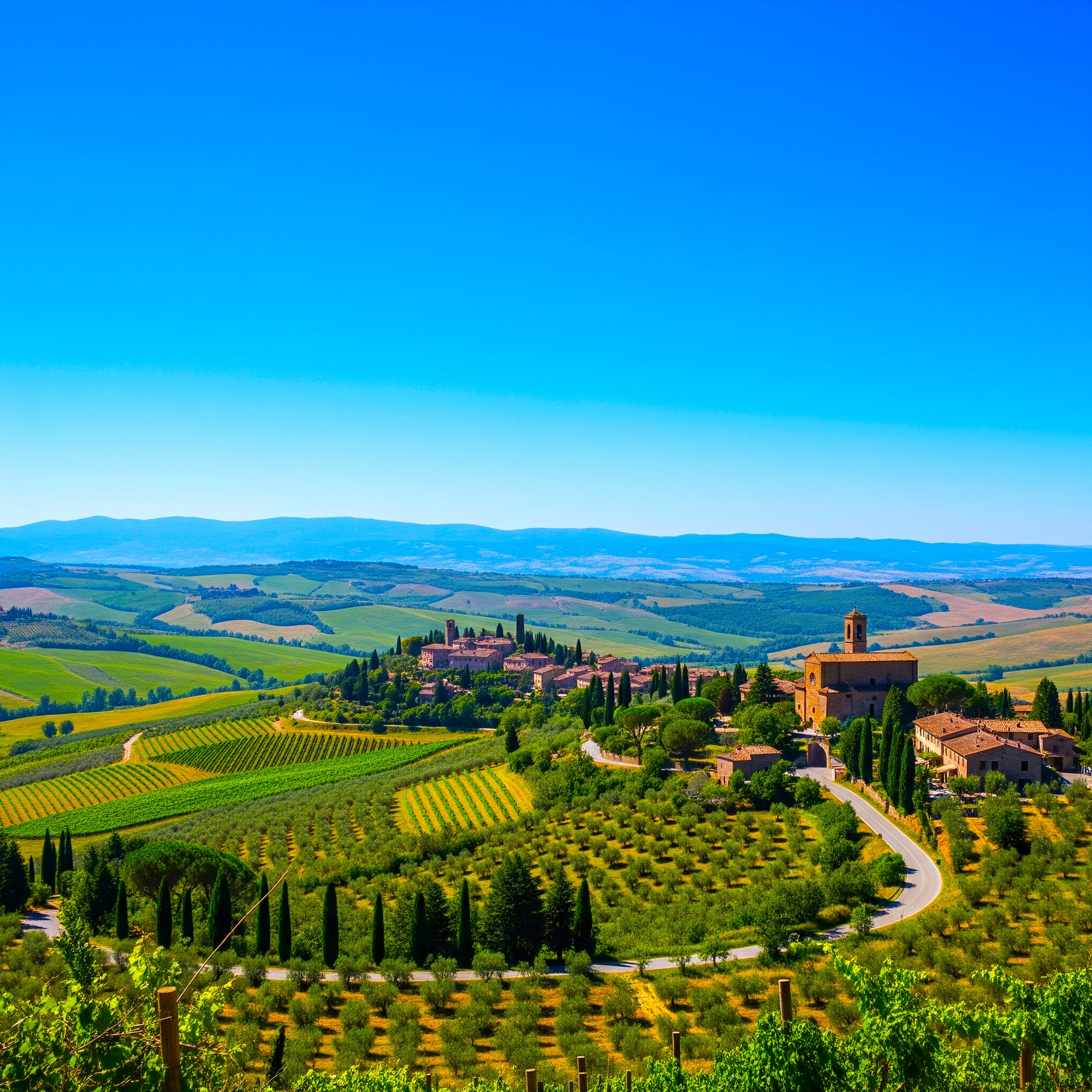
Here, the rolling hills don’t just please the eye—they embrace you. The vineyards don’t simply produce wine—they craft liquid poetry that speaks to your heart. The medieval towns don’t just display history—they invite you into conversations with centuries. This is where the art of discovery transcends mere sightseeing and becomes a profound dialogue between traveler and place, where each pathway reveals not just new vistas, but new aspects of yourself.


Introduction to Tuscany

Tuscany unfolds like a Renaissance fresco painted across central Italy, where every hill tells a story and every vineyard holds centuries of passion. This region, the heartland of Italian culture, stretches from the Apennine Mountains to the Tyrrhenian coast, encompassing approximately 23,000 square kilometers of pure enchantment.

The landscape here seems almost impossibly perfect—as if nature herself studied the works of Leonardo and Michelangelo before sculpting these gentle hills. Cypress trees stand like dark exclamation points against golden fields, while medieval villages crown hilltops like jeweled crowns. The very air carries the scent of wild herbs, aged wine, and that indefinable essence that makes hearts race with wanderlust.

What makes Tuscany truly extraordinary isn’t just its visual splendor, but how it engages every aspect of human perception. The warmth of morning sun on ancient stone walls, the sound of church bells echoing across valleys at sunset, the taste of freshly pressed olive oil on crusty bread—these sensory moments weave together to create an experience that transforms mere visitors into devoted lovers of this magical land.

Planning Your Perfect Itinerary for Tuscany

Crafting the perfect Tuscan journey requires understanding that this region rewards the thoughtful traveler who moves with intention rather than haste. Your itinerary should breathe like the landscape itself—allowing moments of discovery to unfold naturally while ensuring you experience the region’s most profound offerings.

Begin by envisioning your journey as a symphony in three movements. The first movement introduces you to Tuscany’s grandeur through its most celebrated destinations—Florence’s artistic treasures and Siena’s medieval majesty. The second movement takes you deeper into the countryside’s embrace, where rolling hills and intimate villages reveal their secrets to those who approach with patience and wonder. The final movement culminates in the region’s most sensuous pleasures—the wines, the cuisine, and the simple joy of savoring life at a pace that honors both tradition and the present moment.

Consider dedicating at least seven to ten days to truly absorb Tuscany’s essence. This allows time for spontaneous discoveries—that unmarked trattoria where locals gather, the family-run winery hidden down a dusty lane, the artisan’s workshop where ancient crafts continue their quiet revolution against time.

Your base of operations should shift with your explorations. Start in Florence to ground yourself in Tuscany’s cultural foundation, then move to smaller towns like Montepulciano, San Gimignano, or Montalcino. Each offers a different perspective on the region’s character, like viewing a masterpiece from various angles to appreciate its full complexity.

Choosing the Best Time to Visit Tuscany

Time in Tuscany moves differently than elsewhere—it flows with the rhythm of seasons, harvests, and ancient celebrations. Understanding these natural cycles allows you to align your visit with experiences that will resonate most deeply with your personal journey of discovery.

Spring (April-May) awakens Tuscany like a gentle lover’s whisper. Wild poppies paint the fields in brilliant reds, the air carries the fresh scent of new growth, and temperatures warm to perfect comfort for walking medieval streets and hiking countryside paths. This season offers the gift of intimacy—fewer crowds mean deeper connections with locals and more authentic encounters with the region’s daily rhythms.

Summer (June-August) brings Tuscany’s most vibrant energy. Long days stretch golden hour into seemingly endless beauty, outdoor festivals fill piazzas with laughter and music, and the warmth encourages leisurely evening meals under star-filled skies. Yes, popular destinations buzz with fellow travelers, but this energy creates its own magic—shared discoveries and spontaneous connections with kindred spirits from around the world.

Autumn (September-October) might be Tuscany’s most seductive season. Harvest time transforms the region into a celebration of abundance—grape picking in vineyards, olive pressing in ancient mills, and the landscape painted in warm golds and deep crimsons that rival any artist’s palette. The air carries a crispness that makes wine taste richer and conversations last longer.

Winter (November-March) reveals Tuscany’s contemplative soul. Mist wraps hilltop towns in mystery, fireplaces crackle in cozy restaurants, and the slower pace allows for deeper appreciation of art, architecture, and the simple pleasure of warming your hands around a perfect cup of espresso.

Essential Destinations in Tuscany

Florence: The Renaissance Heart

Florence doesn’t just house Renaissance art—it breathes with Renaissance spirit. Walking these streets means following in the footsteps of Dante, Michelangelo, and the Medici, but more than that, it means witnessing how human creativity can transform stone and canvas into expressions of the divine.

The Uffizi Gallery serves as more than a museum—it’s a pilgrimage site for those who understand that art has the power to awaken dormant parts of the soul. Standing before Botticelli’s “Birth of Venus,” you’re not just observing a painting; you’re witnessing humanity’s attempt to capture beauty itself. Allow time to absorb, to sit with these masterpieces, to let them work their quiet magic on your understanding of what it means to be human.

The Duomo’s magnificent dome, engineered by Brunelleschi, represents more than architectural achievement—it embodies the Renaissance belief that human ingenuity could touch the heavens. Climbing its 463 steps becomes a metaphor for the journey of discovery itself, each step revealing new perspectives on the city below and the sky above.

Siena: Medieval Magnificence

If Florence represents the Renaissance flowering of human potential, Siena embodies the medieval understanding of community and faith as sources of earthly transcendence. The city’s shell-shaped Piazza del Campo creates a natural amphitheater where life unfolds as both daily routine and continuous celebration.

The famous Palio horse race, held twice yearly in this very piazza, transforms the square into an arena of pure emotion where centuries-old neighborhood loyalties explode into passionate competition. Even when the Palio isn’t running, you can feel the intensity that lies dormant beneath the piazza’s peaceful café culture.

Siena’s Gothic cathedral, with its striped marble columns and intricate floor mosaics, creates a space where architecture becomes prayer, where every surface tells stories of faith, artistry, and the human desire to create beauty that outlasts individual lives.

San Gimignano: Medieval Skyscrapers

San Gimignano’s fourteen remaining towers (out of an original 72) create a skyline that seems lifted from a fairy tale, but their story speaks to very human desires for status, security, and civic pride. These “medieval skyscrapers” once served as symbols of wealthy families’ power and as refuges during times of conflict.

Today, walking through San Gimignano’s narrow streets feels like traveling through layers of time. The town’s compact size allows for intimate encounters—perhaps chatting with a local artisan about traditional crafts, or discovering that the view from one particular tower captures the exact moment when sunset transforms the Tuscan hills into pure gold.

Exploring the Rolling Hills of Tuscany

Famous Routes and Scenic Drives

The true magic of Tuscany reveals itself not in any single destination, but in the journey between places—those winding roads that curve through landscapes so perfect they seem designed by poets rather than geologists.

Via Chiantigiana (SR222) winds through the heart of Chianti country, connecting Florence to Siena through a corridor of vineyards, olive groves, and hilltop villages. This isn’t merely a route—it’s a meditation on the harmony between human cultivation and natural beauty. Each curve reveals new compositions of cypress trees, stone farmhouses, and vine-covered hills that change color with the light.

Drive slowly here. Stop frequently. The region’s beauty demands participation, not just observation. Pull over at that unnamed viewpoint where morning mist clings to valley floors. Walk through vineyard rows and feel the ancient soil beneath your feet. These unplanned moments often become the most treasured memories.

Val d’Orcia, a UNESCO World Heritage site, presents Tuscany’s landscape at its most iconic. The famous Chapel of Madonna di Vitaleta, standing alone among rolling hills, has become perhaps the most photographed scene in all of Italy—but no photograph captures the spiritual silence that surrounds this simple structure, or the way late afternoon light seems to sanctify the entire valley.

The strada bianche—white gravel roads that snake through these hills—invite exploration beyond the main routes. These unpaved pathways lead to abandoned farmhouses, hidden springs, and viewpoints where you might stand alone with one of the world’s most beautiful landscapes spread before you.

Activities to Experience the Landscape

True connection with Tuscany’s landscape requires slowing down, stepping out of cars and tour buses, and allowing the land to speak to you at its own pace.

Hiking and Walking: The region offers countless trails, from gentle strolls through vineyard terraces to challenging climbs up Monte Amiata. The Via Francigena, the ancient pilgrimage route to Rome, passes through Tuscany and offers modern walkers the chance to experience the landscape as countless pilgrims have for over a thousand years.

Each footstep on these paths connects you to the countless travelers who have walked these same routes—medieval pilgrims, Renaissance merchants, and modern seekers of beauty and meaning. The rhythm of walking allows for a different kind of awareness, where you notice details invisible from car windows: the scent of wild rosemary, the sound of church bells carried on the wind, the way afternoon light transforms ordinary olive trees into sculptures of silver and green.

Cycling Through Paradise: Tuscany’s rolling terrain perfectly suits cycling, offering both gentle routes for casual riders and challenging climbs for serious cyclists. Renting a bike in any major town opens up possibilities for spontaneous exploration. Pedaling through vineyard paths at your own pace allows for stops whenever inspiration strikes—perhaps to photograph that perfect farmhouse, or to accept an invitation from a vintner to taste wine directly from the barrel.

The physical effort of cycling somehow amplifies the reward of reaching each hilltop vista or completing a challenging climb. Your body becomes part of the landscape’s rhythm, your heartbeat synchronizing with the ancient pulse of this timeless land.

Hot Air Ballooning: For a completely different perspective, hot air balloon rides over the Val d’Orcia or Chianti regions offer bird’s-eye views that reveal the geometric poetry of Tuscany’s cultivated landscape. From above, you can see how centuries of careful farming have created a living artwork, where every field, vineyard, and olive grove contributes to a composition that rivals any masterpiece in Florence’s galleries.

Vineyards and Wine Tasting in Tuscany

Top Wineries to Visit

Tuscany’s relationship with wine transcends mere agriculture—it represents a philosophical approach to life that honors tradition while embracing innovation, that values patience and craftsmanship over speed and efficiency.

Castello di Brolio in Chianti embodies this philosophy perfectly. Home to the Ricasoli family for over 900 years, this estate doesn’t just produce wine—it preserves a way of life. The current Baron, Bettino Ricasoli, represents the 32nd generation of his family to tend these vines, and his approach combines ancient wisdom with modern understanding of terroir and climate.

Walking through Brolio’s vineyards with a family member or estate manager, you’re not just learning about wine production—you’re receiving insights into how human dedication can transform simple grapes into liquid expressions of place and time. The tasting experience here becomes a conversation between past and present, where each glass connects you to centuries of harvest seasons and family traditions.

Antinori nel Chianti Classico represents the successful marriage of tradition and innovation. This architectural marvel, built into a hillside and crowned with vineyards, demonstrates how modern design can enhance rather than compete with natural beauty. The winery itself becomes part of the landscape, its lines following the hillside’s natural contours.

Here, the Antinori family’s 600-year commitment to winemaking meets cutting-edge technology and sustainable practices. Tasting rooms offer panoramic views over Chianti’s rolling hills, creating an environment where wine appreciation becomes inseparable from landscape appreciation.

Brunello producers in Montalcino offer perhaps Tuscany’s most prestigious wine experiences. Estates like Biondi-Santi, where Brunello was invented, or Castello Banfi, with its museum-quality collection and innovative approach to sustainable viticulture, provide insights into how a single grape variety—Sangiovese—can express infinite variations based on soil, elevation, and human interpretation.

Best Wine Varieties to Taste

Understanding Tuscany’s wines means understanding the region’s terroir—that untranslatable concept that encompasses soil, climate, tradition, and human passion working in harmony.

Chianti Classico, marked by the distinctive black rooster symbol, offers the perfect introduction to Tuscan wine culture. These wines balance fruit and earth, tradition and approachability, in ways that make them perfect companions to both simple meals and profound conversations. A well-made Chianti Classico captures the essence of Tuscan hills in liquid form—sun-warmed earth, wild herbs, and that indefinable quality that makes you think of ancient stones and time-weathered faces.

Brunello di Montalcino represents Tuscany’s most prestigious expression. These wines require patience—both in their making and in their appreciation. Young Brunello can seem austere, almost forbidding, but with time (and proper cellaring), it develops into wines of extraordinary complexity and beauty. Tasting a mature Brunello becomes a meditation on time itself, on how patience transforms raw potential into refined elegance.

Vino Nobile di Montepulciano offers another perspective on Sangiovese’s possibilities. These wines often show more immediate charm than Brunello, with softer tannins and more approachable fruit, but they possess their own depth and complexity. The hilltop town of Montepulciano provides the perfect setting for understanding these wines—its Renaissance palaces and medieval streets creating an atmosphere where wine tasting becomes cultural immersion.

Super Tuscans represent the region’s innovative spirit. Wines like Sassicaia, Ornellaia, and Tignanello broke traditional rules by using international grape varieties or unconventional blending, creating wines that gained international acclaim while sparking debates about tradition versus innovation. Tasting these wines offers insights into how Italian winemakers successfully challenged established norms while maintaining their essential Italian character.

Cultural Experiences in Tuscany

Local Cuisine and Gastronomy

Tuscan cuisine embodies the region’s philosophical approach to life—it celebrates simplicity, honors quality ingredients, and transforms humble elements into expressions of profound satisfaction. This isn’t food as mere sustenance; it’s cuisine as cultural expression, where every meal becomes an opportunity for connection, contemplation, and joy.

Bistecca alla Fiorentina represents more than grilled meat—it’s a cultural institution. This massive T-bone steak, traditionally from Chianina cattle raised in Tuscan hills, must be cooked over wood coals, served rare, and shared among friends. The ritual of ordering, preparing, and sharing this dish creates an experience that transcends dining and becomes communion with Tuscan values of quality, tradition, and conviviality.

Ribollita, the “reboiled” soup, tells the story of Tuscan resourcefulness and wisdom. Made from day-old bread, cannellini beans, and whatever vegetables the season provides, this humble dish achieves greatness through technique and patience. Each spoonful carries the warmth of Tuscan kitchens, the creativity born of necessity, and the understanding that true luxury often comes from the simplest pleasures.

Pici pasta, hand-rolled and irregular, appears on menus throughout southern Tuscany. Watching pici being made—often by grandmothers whose hands remember techniques learned in childhood—connects you to generations of Tuscan cooks who understood that food preparation is meditation, creation, and love made tangible.

The region’s olive oil deserves particular attention. Tuscan extra virgin olive oil, often pressed from olives harvested just weeks before your visit, possesses a peppery intensity that transforms simple bread into a revelation. Participating in olive harvests (available during autumn visits) provides hands-on understanding of how this liquid gold connects Tuscans to their land and their ancestors.

Festivals and Events to Attend

Tuscany’s festivals reveal the region’s soul through celebrations that have maintained their authentic character despite centuries of change. These aren’t tourist performances—they’re living expressions of community identity and cultural continuity.

Palio di Siena (July 2 and August 16) transforms the city into a medieval time machine where neighborhood loyalty reaches fever pitch. The race itself lasts only about 90 seconds, but the preparation, passion, and celebration surrounding it continue year-round. Even if you can’t attend the actual race, visiting Siena during Palio season allows you to witness how deeply tradition can penetrate modern life.

Sagra del Tordo in Montalcino (last weekend in October) celebrates the thrush hunting season with medieval costume competitions, archery contests, and abundant food and wine. This festival demonstrates how small Tuscan communities maintain their identity through celebration, creating events that welcome visitors while preserving authenticity.

Luminara di San Ranieri in Pisa (June 16) transforms the Arno riverfront into a magical wonderland as thousands of candles illuminate historic palaces and bridges. This festival showcases Tuscany’s ability to create beauty from simple elements—candlelight, architecture, and community pride, combining to produce an unforgettable experience.

Harvest festivals throughout wine regions offer perhaps the most authentic insights into Tuscan culture. These celebrations vary by location and timing, but all share common elements: grape stomping, traditional music, local food specialties, and the kind of spontaneous joy that emerges when communities gather to celebrate abundance and continuity.

Travel Tips for an Unforgettable Tuscany Experience

Creating an unforgettable Tuscan experience requires understanding that this region rewards preparation balanced with spontaneity, planning combined with openness to unexpected discoveries.

Transportation Strategy: While rental cars provide maximum flexibility for exploring the countryside and smaller towns, consider combining different transportation modes for optimal experiences. Trains connect major cities efficiently, buses serve smaller destinations, and walking or cycling often reveals hidden gems invisible from car windows.

When driving, embrace the slower pace that winding roads and narrow medieval streets demand. These limitations become gifts—forcing you to notice details, encouraging stops at scenic overlooks, and creating opportunities for serendipitous encounters with locals and fellow travelers.

Accommodation Philosophy: Choose lodgings that enhance rather than isolate you from Tuscan culture. Agriturismos (farm stays) offer authentic experiences where you can participate in daily activities like olive picking or wine harvesting. Historic hotels in medieval town centers place you at the heart of local life, where morning coffee and evening aperitivos become opportunities for cultural exchange.

Consider varying your accommodation types throughout your stay. Perhaps begin with a luxury hotel in Florence to ground yourself in comfort and convenience, then move to a rural farmhouse where you can experience Tuscany’s agricultural rhythms, and conclude with a romantic villa where sunset views over vineyard terraces provide perfect settings for reflection on your journey.

Timing and Pacing: Build flexibility into every day. Tuscany’s greatest gifts often come unscheduled—that conversation with a vintner that extends into an impromptu tasting, the festival procession you stumble upon while walking to dinner, the sunset that demands you abandon all plans and simply watch as light transforms landscape into art.

Allow time for “slow travel” experiences: leisurely market visits where vendors explain seasonal specialties, extended meals where courses arrive when they’re ready rather than when you’re impatient, and afternoon siestas that sync your rhythm with local customs.

Cultural Sensitivity: Approach Tuscany with respect for traditions that have survived centuries of change. Learn basic Italian phrases—not just for practical communication, but as gestures of respect for local culture. Understand that many businesses close during afternoon riposo hours, that meals have their own timing and shouldn’t be rushed, and that quality often matters more than speed or convenience.

Seasonal Considerations: Each season offers different gifts, so align your activities with natural rhythms. Spring hiking showcases wildflower displays, summer evening festivals take advantage of long daylight hours, autumn harvests provide hands-on cultural experiences, and winter’s quieter pace allows for deeper engagement with art, architecture, and indoor cultural activities.

Photography and Memory Making: While Tuscany provides endless photogenic moments, remember that cameras can create barriers as well as preserve memories. Balance documentation with direct experience—sometimes the most profound moments occur when you put away the camera and fully immerse yourself in sensory experience.

Consider keeping a travel journal where you record not just what you saw, but how experiences felt, what conversations moved you, and which flavors surprised you. These written memories often prove more valuable than photographs in recapturing the essence of your Tuscan journey.

Final Reflection: Tuscany offers more than vacation—it provides transformation. The region’s beauty, culture, and lifestyle philosophy have the power to shift perspectives, awaken dormant appreciations, and inspire lasting changes in how you approach life’s pleasures and challenges.

Allow Tuscany to work its magic gradually. Don’t try to capture everything in one visit—instead, let this journey be the beginning of a lifelong relationship with this extraordinary region. Many visitors return repeatedly, each trip revealing new layers of beauty, understanding, and connection.

As you plan your departure, carry with you not just souvenirs and photographs, but the Tuscan understanding that life’s greatest luxuries—beauty, friendship, excellent food and wine, and time to appreciate them all—remain accessible to those who approach them with patience, respect, and open hearts.


Buon viaggio! May your Tuscan journey be filled with discoveries that enrich not just your travels, but your life.

Baldassarri Giuseppe ✓
Sales & Account Manager – Destination & Export Marketing
“Creating authentic Italian experiences, one story at a time”


Tuscany: Rolling Hills and Vineyards Itinerary Guide.

Experience the beauty of Tuscany with our perfect itinerary featuring its rolling hills and vineyards. Discover scenic routes and local treasures. 

  • Tuscany: Rolling Hills and Vineyards Itinerary Guide
  • Introduction to Tuscany
  • Planning Your Perfect Itinerary for Tuscany
  • Choosing the Best Time to Visit Tuscany
  • Essential Destinations in Tuscany
  • Exploring the Rolling Hills of Tuscany
  • Famous Routes and Scenic Drives
  • Activities to Experience the Landscape
  • Vineyards and Wine Tasting in Tuscany
  • Top Wineries to Visit
  • Best Wine Varieties to Taste
  • Cultural Experiences in Tuscany
  • Local Cuisine and Gastronomy
  • Festivals and Events to Attend
  • Travel Tips for an Unforgettable Tuscany Experience

Link: Tuscany: Rolling Hills and Vineyards. A Perfect Itinerary.

Places to see, Things to do, Trip inspiration.
Powered by GetYourGuideActivities
Tuscany travel, Tuscan vineyards, rolling hills of Tuscany, Tuscany itinerary, Italian countryside, wine tasting in Tuscany

Baldassarri Giuseppe Destination & Export Digital Marketing Manager


⭐ Top Activities
⭐ Top Activities
Vatican
Museums & Sistine Chapel Ticket
➔
Milan
Cathedral & Duomo's Terraces Ticket
➔
Rome
Colosseum, Roman Forum & Palatine Hill Guided Tour
➔
Rome
Rome: Colosseum Arena Floor, Palatine & Forum Guided Tour
➔
Rome
Rome: Colosseum & Forum with Audio Guide App -Optional Arena
➔
Rome
Vatican Museums, Sistine Chapel & St. Peter's Basilica Tour
➔
Rome
Rome: Colosseum, Forum, Palatine Hill Entry, and Audio Guide
➔
Venice
Venice: Waterbus and Mainland Bus Pass
➔
Rome
Vatican Museums & Sistine Chapel Skip-the-Line Entry Ticket
➔
Florence
Florence: Pasta Cooking Class with Unlimited Wine
➔
Rome
Rome: Vatican Museums, Sistine Chapel & Basilica Tour
➔
Pompei
Pompeii: Entry Ticket and Guided Tour with an Archaeologist
➔
Rome
Rome: Big Bus Hop-on, Hop-off Open-Top Sightseeing Tour
➔
Rome
Rome: Pantheon Entry Ticket and Official Audioguide
➔
Rome
Vatican, Sistine Chapel & St. Peter's Skip-the-Line Tour
➔
Rome
Rome: Colosseum, Forum, Palatine Hill Entry & Audioguide App
➔
Venice
Venice: Doge's Palace Reserved Entry Ticket
➔
Milan
From Milan: Lake Como Private Boat, Bellagio and Lugano
➔
Florence
Florence:Uffizi Gallery Ticket & Audio Guide or Tour Options
➔
Florence
Florence: Michelangelo's David Skip-the-Line Entry Ticket
➔
Rome
Fiumicino Airport (FCO): Shuttle Bus To/From Roma Termini
➔
Florence
Florence: Brunelleschi's Dome Climb Entry Ticket & Duomo
➔
Rome
Rome: Pasta & Tiramisu Class with Fine Wine by the Vatican
➔
Venice
Venice: Grand Canal Gondola Ride with App Commentary
➔
Rome
Rome: Castel Sant'Angelo Entry Ticket & Digital Audioguide
➔
Naples
Naples: Naples Underground Entry Ticket and Guided Tour
➔
Rome
Colosseum, Roman Forum & Palatine Hill Entry and Audioguide
➔
Rome
Fiumicino Airport (FCO): Bus Transfer from/to Rome Termini
➔
Venice
Murano, Burano & Torcello: Half-Day Boat Tour in Venice
➔
Venice
Venice Islands: Murano Glass & Burano Colors Guided Visit
➔
Rome
From Rome: Pompeii, Amalfi Coast, and Sorrento Day Trip
➔
Rome
Rome: Colosseum Access with Official App & Arena Option
➔
Venice
Venice: Bus Transfer between Marco Polo Airport and City
➔
Venice
Venice: Marco Polo Airport Water Taxi Transfer
➔
Bari
UNESCO Tour: Alberobello and Matera by private bus from Bari
➔
Naples
From Naples: Sorrento, Positano & Amalfi Premium Tour
➔
Pisa
Pisa: Entrance Ticket to Leaning Tower & Cathedral
➔
Florence
Florence: Pasta & Tiramisu Cooking Class with Unlimited Wine
➔
Rome
Rome: City Sightseeing Hop-on Hop-off Bus with Audioguide
➔
Florence
Florence: Chianti Wineries Tour with Wine Tasting
➔
Rome
Rome: St. Peter's Basilica, La Pietà, Papal Tombs and Dome
➔
Milan
Milan: City Sightseeing Hop-On Hop-Off Bus with Audio Guide
➔
Venice
Venice: Boat Transfer to/from Marco Polo Airport w/ 3 Routes
➔
Milan
Milan: Milan Cathedral Direct Entrance - Terrace Excluded
➔
Florence
Florence: Accademia Gallery & David Skip-the-Line Ticket
➔
Rome
Rome: St. Peter's Basilica, Dome Climb, and Underground Tour
➔
ItalyTrade.org Viaggio su misura
✈️ Pianifica il viaggio
7-Day Italy Itinerary — panorama

7-Day Italy Itinerary: What to See, Map and Stops

From Rome to Venice, via Florence and Tuscany: a practical day-by-day guide

Editorial note. This article only includes sections for which a public source was found and verified.

Itinerary index

  1. 1. Introduction
  2. 2. An unmatched heritage
  3. 3. Why this itinerary works
  4. 4. The stops: cities, nature, art, villages
  5. 5. A journey through Italian flavors
  6. 6. Traditions and event calendar
  7. 7. Art and architecture
  8. 8. The Italian lifestyle
  9. 9. Villages and alternative routes
  10. 10. How many days, where to stay, when to go
  11. 11. Made in Italy excellence
  12. 12. Dream wedding locations
  13. 13. Luxury real estate
  14. 14. Prices and budget
  15. 15. Where to eat
  16. 16. Who visits Italy
  17. 17. Statistics and figures
  18. 18. Where visitors come from
  19. 19. Day-by-day itinerary
  20. 20. FAQ
  21. 21. Conclusion

📈 Trending today — 7-Day Italy Itinerary

Autumn is driving travel searches: grape harvests in Tuscany and Piedmont, foliage and the Alba White Truffle Fair are boosting interest in road-trip itineraries across Italy.

#ItalyTrip #ItalyItinerary #VisitItaly #DolceVita 🔥 #WhiteTruffle
Instagram TikTok Facebook X / Twitter
Plan a tailor-made trip
Introduction

Seven days, an entire country to discover

A 7-day Italy itinerary is the most realistic way to cross the country without sacrificing its soul: from Rome to Venice, via Florence and the Tuscan countryside, each stop tells a different chapter of the same centuries-old story. There is no need for a complicated route: a handful of well-connected cities by train or car, plus a pace that leaves room for the unexpected, is what several travel guides dedicated to one-week tours of the country recommend. Spotahome guide — Touring Italy in 7 days

Geographically, Italy stretches over 1,200 km from the Alps to Sicily, but a one-week itinerary works best when it focuses on a North-Central axis, reducing travel time and increasing the actual time spent in each city: Rome, Florence and Venice remain the most recommended stops for travelers with only seven days available. Visititaly.eu — Italy Express, the essential 7-day itinerary

📍
61
UNESCO sites in Italy (2026)
🌡️
14–24°C
Average autumn temperatures
🗣️
Italian
Official language
✈️
Rome · Milan
Main airport hubs
Culture and nature

An unmatched artistic heritage

Italy is the country with the highest number of World Heritage Sites in the world: as of 2026 the Ministry of Culture's official count stands at 56 historic recognitions, a record no other nation holds. Ministry of Culture — Italian UNESCO World Heritage Sites

According to Wikipedia's update based on UNESCO data, by 2026 the total number of inscribed heritage sites rises to 62, of which 55 are cultural and 6 natural: a mosaic ranging from the historic centers of Rome and Florence to the Dolomites, from the Cinque Terre to the vineyard landscapes of Piedmont and Tuscany. Wikipedia — World Heritage Sites of Italy

Uniqueness

Why this itinerary works in 7 days

🏛️ The country with the most UNESCO sites in the world

No other nation can count on a similar concentration of art, history and landscapes recognized by the whole of humanity, spread across even lesser-known regions. GreenMe — UNESCO heritage sites in Italy, the complete map

🍝 A cuisine that changes from region to region

From Rome to Venice, the itinerary's food changes radically: carbonara in the capital, steak in Tuscany, sarde in saor in the Venetian lagoon. Spotahome — Touring Italy in 7 days

🎭 Centuries-old traditions, still alive

Events such as the Palio di Siena, a horse race held twice a year in Piazza del Campo since the Middle Ages, show how Italy's calendar is still shaped today by authentic historic rituals. Municipality of Siena — The Palio di Siena

Places and sites

The must-see stops of the itinerary

Lazio

Rome

The Colosseum, the Imperial Forums and the Palatine Hill make up Italy's most visited archaeological park: the standard ticket costs €18 and is valid for 24 hours. Colosseo.it — Official opening hours and tickets

Tuscany

Florence

Tuscany's Renaissance heart revolves around Piazza del Duomo, the Ponte Vecchio and the Uffizi Gallery, open Tuesday to Sunday from 8:15 am to 6:30 pm. B-ticket — Official Uffizi ticket office

Veneto

Venice

Built on 118 small islands linked by 354 bridges and crossed by 177 canals, Venice is best explored on foot and by vaporetto along the Grand Canal. Venezia-tourism.com — Tourist information

Tuscany

Siena

The medieval center that hosts the Palio, the traditional horse race run in Piazza del Campo on July 2 and August 16 every year. Municipality of Siena — The Palio

Tuscany

Val d'Orcia and Chianti

Vine-covered hills between Siena and Montalcino, best visited in September and October during the grape harvest, when the vineyards turn red and gold. Freedome — Where to go on holiday in Italy in 2026

Liguria

Cinque Terre

Five villages perched over the sea — Monterosso, Vernazza, Corniglia, Manarola and Riomaggiore — linked by scenic trails along the Ligurian coast. Spotahome — Touring Italy in 7 days

Trentino-Alto Adige

The Dolomites

A UNESCO World Heritage Site since 2009, the Dolomites offer a mountain alternative for those wishing to extend the itinerary beyond the classic seven days. Wikipedia — World Heritage Sites of Italy

Piedmont

Langhe and Roero

The hills of Piedmont, home to Barolo and Barbaresco wines, take center stage in autumn with the hunt for the white truffle. Freedome — Destinations for 2026

Florence

Uffizi Gallery

One of the most visited museums in the world, it holds the largest collection of Botticelli and Raphael works from the Florentine Renaissance. Toscana.info — Uffizi Gallery, works and information

Rome

Imperial Forums and Palatine Hill

The Palatine Hill, home to the imperial palaces after Augustus, today houses the Palatine Museum with finds from Rome's earliest history. Ministry of Culture — Roman Forum and Palatine Hill

Rome

Flavian Amphitheatre

Built in the 1st century AD under the Flavian dynasty, the Colosseum remains the largest amphitheatre ever built in the world. Ministry of Culture — Colosseum, Flavian Amphitheatre

Venice

St Mark's Basilica

The symbol of the Serenissima overlooks Venice's most famous square, an ideal starting point for exploring the city's six sestieri (districts). Venezia-tourism.com

Siena

San Gimignano

Its medieval towers dominate the Sienese countryside, recognized as a UNESCO site for the pastoral landscape of the Via Francigena. Archètravel — 10 UNESCO sites in Italy you shouldn't miss

Piedmont

Alba

The capital of the Langhe turns its medieval center into a food-and-wine hub every autumn during the White Truffle Fair. Tartufi Ratti — Guide to the Alba White Truffle Fair

Liguria

Vernazza and Manarola

Two of the five Cinque Terre villages, also reachable by train along the Ligurian coast, ideal for a stop off the beaten path. Spotahome — Touring Italy in 7 days

Marche

Gradara and the Conero Riviera

Castle villages and scenic coastline often suggested as a less crowded alternative to Central Italy's better-known destinations. Tripadvisor Italy Forum — Travel advice

Food and wine

A journey through Italian flavors

Each stop of the itinerary corresponds to a different cuisine: in Rome you eat carbonara in the Trastevere neighborhood, moving north you shift to Tuscan cuisine and finally to Venice's lagoon flavors. Spotahome — Touring Italy in 7 days

🍝 Regional dishes not to miss

Carbonara

The quintessential Roman dish, best tasted in Trastevere during the Rome stop.

Bistecca alla fiorentina

A signature cut of Tuscan cuisine, typical of trattorias in central Florence.

Pici with truffle

Handmade pasta from Siena paired with truffle, also a star in the Piedmontese Langhe.

Sarde in saor

A sweet-and-sour Venetian dish with sardines, onions and raisins, typical of Venice's bacari.

Venetian cicchetti

Traditional small bites served in the bacari of the Cannaregio and Castello districts.

Chianti DOCG

The red wine that symbolizes Tuscany, produced on the hills crossed during the itinerary.

🍷 Wines along the route

The Chianti hills between Siena and Florence remain the most popular wine destination on the central leg of the itinerary, while travelers extending the trip toward Piedmont can pair the autumn stop with Barolo and Barbaresco tastings in the Langhe. Freedome — Where to go on holiday in Italy in 2026

Traditions

Traditions and events along the itinerary

🎉 Event calendar

Palio di Siena — July 2 and August 16

The Carriera in Piazza del Campo, raced by the city's Contrade, remains one of the most authentic identity-driven events in Tuscany. Municipality of Siena — Palio ordinances and schedule

Alba International White Truffle Fair — 10 October–6 December 2026

Now in its 96th edition, the fair turns Alba into a food-and-wine hub with a world truffle market and tastings across the Langhe. Piemonte Expo — Alba White Truffle Fair 2026

Grape harvest in Tuscany and Piedmont — September-October

The grape-picking season makes the hills of Chianti and the Langhe especially picturesque, with plenty of local food-and-wine events. Freedome — Destinations for 2026

⛪ A calendar shaped by centuries-old rites

From the historic procession that precedes the Palio di Siena to the religious celebrations tied to the Assumption on August 16, many of the traditions encountered along a 7-day itinerary trace their roots back to the Middle Ages and are still managed directly by local communities. Municipality of Siena — The Palio di Siena

Art and architecture

Art and architecture: the masterpieces not to miss

The Uffizi hold the world's largest collection of Botticelli and Raphael works, alongside masterpieces by Giotto, Titian, Leonardo da Vinci and Caravaggio, inherited from the Medici family's private collection. Toscana.info — Uffizi Gallery, works and information

In Rome, the Colosseum Archaeological Park combines the Colosseum, the Roman Forum and the Palatine Hill into a single route: ticket sales open 30 days before the visit, and online booking is recommended to avoid queues. Colosseo.it — Opening hours and tickets

Everyday life

The charm of the Italian lifestyle

Strolling through Trastevere in Rome, crossing the Ponte Vecchio in Florence, or getting lost among Venice's calli means stepping into a pace of life made of piazzas, markets and coffee stops that remains the true added value of a one-week itinerary. Agoda — 7 days of Italian indulgence

In Venice, local life is inseparable from the lagoon: the city is organized into six sestieri — Cannaregio, Castello, Dorsoduro, Santa Croce, San Marco and San Polo — and is lived mainly on foot or by water. Venezia-tourism.com — Tourist information

Villages and routes

Villages and alternative itineraries

Travelers wanting to vary the classic Rome-Florence-Venice axis can turn the itinerary south, alternating Rome, Naples and the Amalfi Coast, or toward Piedmont in autumn to combine the Langhe hills with the White Truffle Fair. Spotahome — Touring Italy in 7 days

🗺️ Short itinerary (7 days): Rome – Florence – Venice

Days 1-2: Rome. Days 3-4: Florence and Siena. Days 5-6: Venice. Day 7: Verona day trip and departure.

🗺️ Extended itinerary (10-14 days): North-Central-South

By adding a few days, the route can be extended from Milan all the way to Naples and the Amalfi Coast, a route often suggested by travel guides as a complete North-South alternative. Spotahome — Touring Italy in 7 days

Planning

How many days, where to stay, when to go

⏱️ Recommended duration

Seven days are enough to realistically cover the Rome-Florence-Venice axis, allowing roughly two full days for each city plus a transition day for train travel. Visititaly.eu — Italy Express, the essential 7-day itinerary

🏨 Where to stay (by type)

Hotels and resorts

In the historic centers of Rome, Florence and Venice, mid- to high-range hotels remain the most practical option for travelers with limited time who want to walk between the main attractions.

Apartments and holiday homes

A recommended option for families or multi-night stays in the same city, often cheaper than a hotel in central areas.

Agriturismo (farm stays)

Ideal for the Tuscany leg, between Siena and San Gimignano, to experience the Chianti hills described by travel guides. Spotahome — Touring Italy in 7 days

Campsites and glamping

A more budget-friendly alternative for independent travelers, common along the coast and in the hilly areas of Central Italy.

📅 Best time to go

The best time for a 7-day itinerary runs from late April to early June, or from mid-September to mid-October, when the weather is mild, crowds are thinner, and temperatures stay between 14°C and 24°C. iRoamly — Best time to visit Italy

Local excellence

Made in Italy excellence along the route

Alba's white truffle, Tuscan Chianti DOCG and the wines of Langhe and Roero are among the most representative products encountered right along this itinerary, with the Alba fair drawing over 600,000 visitors every year across the Langhe, Monferrato and Roero. Sapori News — Alba International White Truffle Fair 2026

Destination wedding

Dream wedding locations along the itinerary

Tuscan villas between Siena and Florence, and historic Venetian palaces, are among the most sought-after locations for international weddings in Italy, thanks to a combination of landscape, art and hospitality services now well established in the luxury travel sector. Discover ItalyTrade's luxury wedding services.

Real estate

Luxury real estate along the itinerary

The areas covered by this itinerary — from the historic center of Florence to the Chianti hills, all the way to the historic palaces of Venice — remain among Italy's most sought-after luxury real estate markets for international investors. Learn more about the luxury real estate market.

Prices and budget

Accommodation prices: low and high season

🌧️ Low season
(January-March, November)

€100–350

Double room in a 3-4 star hotel in the historic centers of Rome, Florence or Venice.

☀️ High season
(June-August, December)

€350–1000

Same accommodation types, with rates in historic centers that can exceed €1,000 a night for luxury options.

🍽️ Budget restaurant

€100–200

Dinner for two at a traditional trattoria, wine included.

🦞 Gourmet restaurant

€200–1000

Tasting menu at a Michelin-starred restaurant in Rome, Florence or Venice, wine pairing included.

Where to eat

Where to eat along the itinerary

🍝 Traditional trattoria

In Rome's Trastevere, this is the most recommended option for tasting authentic carbonara in an informal setting. Spotahome — Touring Italy in 7 days

🍷 Wine bar with kitchen

Common between Siena and the Chianti hills, pairing local wine tastings with traditional Tuscan country dishes.

🥗 Agriturismo

In Tuscany, this lets you eat farm-to-table produce directly on the estate where you are staying.

🍢 Venetian bacaro

In Venice, bacari serve cicchetti and small glasses of wine standing up — a local habit not to miss in the Cannaregio and Castello districts.

Visitor analysis

Who visits Italy?

In the fourth quarter of 2025, foreign visitors accounted for 56.5% of total overnight stays in Italy, up 5.1% year-on-year, while overnight stays by Italian tourists remained broadly stable. Confcommercio — Tourism in Italy, Q4 2025 (Istat data)

Share of foreign and Italian overnight stays, Q4 2025 56.5% foreign
  • 56.5% Overnight stays by foreign tourists
  • 43.5% Overnight stays by Italian tourists

Source: Istat, Movement of clients in accommodation facilities, Q4 2025. Full source

Data and figures

Tourism statistics in Italy

0 Million visitors in 2024 (record)
0 UNESCO sites in Italy (2026)
0 Average nights, foreign tourists
0 % of overnight stays generated by foreigners

Sources: Roami, Ministry of Culture, Confcommercio/Istat.

Origins

Where do visitors come from?

According to Bank of Italy data, the inbound tourism flow is fed by both European and non-European travelers: Germany and Spain remain the leading countries of origin, while arrivals from the Gulf states and the Far East are growing rapidly. Businessonline — Official Bank of Italy data on tourism in Italy, 2025

July is confirmed as the peak month for foreign tourist arrivals, with 42.7 million overnight stays recorded in summer 2025, while Italians continue to prefer August for their own holidays. Valigiamo — Summer 2025, Istat data on tourism in Italy

Detailed itinerary

7-day itinerary, day by day

Days 1-2

Rome

Colosseum, Roman Forum and Palatine Hill in the morning with a pre-booked ticket; in the afternoon, the Trevi Fountain, the Pantheon and dinner in Trastevere.

Book the Colosseum on the official site

Day 3

Florence

Piazza del Duomo, Ponte Vecchio and the Uffizi Gallery: allow at least 2-3 hours for the museum visit.

Official Uffizi tickets

Day 4

Siena and San Gimignano

A day in Tuscany between Piazza del Campo in Siena and the medieval towers of San Gimignano, returning to Florence in the evening.

Days 5-6

Venice

St Mark's Basilica, Doge's Palace, a vaporetto ride along the Grand Canal, and a stop on the islands of Murano and Burano.

Tourist information about Venice

Day 7

Verona and departure

A half-day excursion to Verona, returning to Venice in time for your departing flight or train.

Plan your itinerary with ItalyTrade

Frequently asked questions

FAQ — 7-Day Italy Itinerary

The most recommended axis is Rome-Florence-Venice, with an optional stop in Siena or Verona. Source: Visititaly.eu

Late April to early June, or mid-September to mid-October, when temperatures stay between 14°C and 24°C and crowds are thinner. Source: iRoamly

The standard 24-hour ticket for the Colosseum, Roman Forum and Palatine Hill costs €18, with mandatory booking of the entry time slot. Source: Colosseo.it

Yes: the Uffizi Gallery is among the most visited museums in the world, and booking online significantly cuts down waiting times at the ticket office. Source: B-ticket, official Uffizi ticket office

As of 2026, Italy holds the highest number of UNESCO sites in the world, between 56 and 62 depending on the source and counting method. Source: Ministry of Culture

Yes, the City of Venice applies an Access Contribution for day visitors on certain dates; up-to-date information is published on the city's official portal. Source: City of Venice

In 2024, Italy recorded a record 65 million visitors, while in Q4 2025 foreigners generated 56.5% of total overnight stays. Source: Confcommercio/Istat

Yes: travelers visiting between October and December can extend the route to Piedmont for the Alba International White Truffle Fair, running from October 10 to December 6, 2026. Source: Piemonte Expo

Conclusion

Seven days to fall in love with Italy

A well-built 7-day Italy itinerary doesn't aim to see everything, but to leave time to truly experience every stop: the history of Rome, the Renaissance of Florence, the Tuscan hills and the canals of Venice together tell an identity no other destination can replicate.

Whether you choose spring, with its soft colors, or autumn, with the grape harvest and the Truffle Fair, the result is the same: a trip capable of staying with you long after the week on the road is over.

Italy isn't just visited: it's lived, one day at a time.

Jump back to a section

  1. 1. Introduction
  2. 2. An unmatched heritage
  3. 3. Why this itinerary works
  4. 4. The stops: cities, nature, art, villages
  5. 5. A journey through Italian flavors
  6. 6. Traditions and event calendar
  7. 7. Art and architecture
  8. 8. The Italian lifestyle
  9. 9. Villages and alternative routes
  10. 10. How many days, where to stay, when to go
  11. 11. Made in Italy excellence
  12. 12. Dream wedding locations
  13. 13. Luxury real estate
  14. 14. Prices and budget
  15. 15. Where to eat
  16. 16. Who visits Italy
  17. 17. Statistics and figures
  18. 18. Where visitors come from
  19. 19. Day-by-day itinerary
  20. 20. FAQ

Great Destinations

🏖️ Coasts, Archipelagos and Coastal Rivieras

Amalfi Coast, Cinque Terre, Costa Smeralda , Salento, Riviera Romagnola, Maremma, Gargano, Cilento, Versilia, Costa dei Trabocchi, Ulysses Riviera, Costa degli Dei, Riviera dei Fiori, Costa Viola, Costa dei Gelsomini, Coral Riviera, Riviera delle Palme, South Sardinia Coast, Golfo degli Angeli Cagliari, Tuscan Archipelago (Elba, Giglio, Capraia, Montecristo, Pianosa, Giannutri and Gorgona), Conero, Aeolian Islands, Egadi Islands, Pelagie Islands, La Maddalena Archipelago, Sardinia, Pontine Islands, Tremiti Islands, Gulf of Naples Islands (Capri, Ischia, Procida).

🏞️ Lakes and Pre-Alpine Areas

Lake Como, Lake Garda, Lake Maggiore, Lake Iseo, Lake Trasimeno, Lake Bolsena, Lake Bracciano, Lake Lugano (Italian side), Lake Orta, Lake Vico, Alimini Lakes.

🏔️ Mountains and Alpine Resorts

Dolomites, Val di Fassa, Val Gardena, Alta Badia, Val di Fiemme, Valtellina, Cadore, Val Venosta, Val Pusteria, Val d'Ayas, Val di Gressoney, Valsesia, Val di Sole, Val di Non, Val Camonica, Via Lattea, Sellaronda, Matterhorn Ski Paradise (Italian side), Gran Paradiso, Mont Blanc Massif (Italian side), Alpe di Siusi, Plan de Corones Alto Adige (Südtirol).

🍷 Hilly, Rural and Historical Areas

Chianti: among villages and wineries, Val d'Orcia Tuscany UNESCO World Heritage Site, Langhe;Wine, Food, Truffle and Landscapes, Roero: Wines, Landscapes, Gastronomy , Monferrato: Italian wine region, Val di Noto: Sicily’s Baroque heritage, Tuscia: Etruscan Roots and Medieval Villages, Itria Valley: the trulli region of Puglia, Lunigiana, Tuscany, medieval castles, charming villages, Garfagnana, Tuscany: Tuscan mountain villages and castles, Casentino, Mugello, Valdichiana, Valle Umbra, Valnerina, Murge, Sila, Aspromonte, Barbagia, Gallura, Ogliastra, Sulcis-Iglesiente, Carnia, Brianza, Oltrepò Pavese, Franciacorta, Colli Euganei, Sibillini Mountains.

🏛️ Top Italian Tourism Municipalities

Here is the single list featuring the 100 Italian municipalities consistently at the top for overall tourist arrivals and overnight stays. The order reflects official Istat data from consolidated surveys on overnight stays in accommodation facilities (hotels, campsites, and extra-hotel accommodations).

Roma (Lazio), Milano (Lombardia), Venezia (Veneto), Firenze (Toscana), Rimini (Emilia-Romagna), Cavallino-Treporti (Veneto), San Michele al Tagliamento / Bibione (Veneto), Jesolo (Veneto), Caorle (Veneto), Bologna (Emilia-Romagna), Lazise (Veneto), Napoli (Campania), Lignano Sabbiadoro (Friuli-Venezia Giulia), Riccione (Emilia-Romagna), Torino (Piemonte), Verona (Veneto), Cervia (Emilia-Romagna), Cesenatico (Emilia-Romagna), Sorrento (Campania), Peschiera del Garda (Veneto), Bardolino (Veneto), Ravenna (Emilia-Romagna), Gatteo (Emilia-Romagna), Bellaria-Igea Marina (Emilia-Romagna), Castelrotto / Kastelruth (Trentino-Alto Adige), Riva del Garda (Trentino-Alto Adige), Pisa (Toscana), Sirmione (Lombardia), Malcesine (Veneto), Comacchio (Emilia-Romagna), Genova (Liguria), Padova (Veneto), Limone sul Garda (Lombardia), Cattolica (Emilia-Romagna), Selva di Val Gardena (Trentino-Alto Adige), Desenzano del Garda (Lombardia), Vieste (Puglia), Assisi (Umbria), Garda (Veneto), Montecatini Terme (Toscana), Abano Terme (Veneto), Grado (Friuli-Venezia Giulia), Palermo (Sicilia), Arzachena / Costa Smeralda (Sardegna), Orbetello (Toscana), San Vincenzo (Toscana), Castiglione della Pescaia (Toscana), Livigno (Lombardia), Badia (Trentino-Alto Adige), Corvara in Badia (Trentino-Alto Adige), Chioggia (Veneto), Alghero (Sardegna), Olbia (Sardegna), Taormina (Sicilia), Lucca (Toscana), Siena (Toscana), Siracusa (Sicilia), Catania (Sicilia), Bari (Puglia), Lecce (Puglia), Otranto (Puglia), Gallipoli (Puglia), Ugento (Puglia), Matera (Basilicata), Cortina d'Ampezzo (Veneto), San Vito Lo Capo (Sicilia), Cefalù (Sicilia), Villasimius (Sardegna), Sanremo (Liguria), Finale Ligure (Liguria), Trieste (Friuli-Venezia Giulia), Trento (Trentino-Alto Adige), Bolzano (Trentino-Alto Adige), Bergamo (Lombardia), Brescia (Lombardia), Como (Lombardia), Stresa (Piemonte), Baveno (Piemonte), Misano Adriatico (Emilia-Romagna), Eraclea (Veneto), Arco (Trentino-Alto Adige), Nago-Torbole (Trentino-Alto Adige), Andalo (Trentino-Alto Adige), Canazei (Trentino-Alto Adige), Campitello di Fassa (Trentino-Alto Adige), Marebbe / Enneberg (Trentino-Alto Adige), Valdaora / Olang (Trentino-Alto Adige), Pinzolo / Madonna di Campiglio (Trentino-Alto Adige), Bormio (Lombardia), Courmayeur (Valle d'Aosta), Ayas (Valle d'Aosta), Molveno (Trentino-Alto Adige), Mezzana (Trentino-Alto Adige), Dobbiaco / Toblach (Trentino-Alto Adige), Sesto / Sexten (Trentino-Alto Adige), San Candido / Innichen (Trentino-Alto Adige), Positano (Campania), Amalfi (Campania), Ischia (Campania), Perugia (Umbria)

🏰 20 Most Beautiful Villages in Italy

  • Alberobello Puglia
  • Borghetto sul Mincio Veneto
  • Carloforte Sardinia
  • Castell'Arquato Emilia-Romagna
  • Castelmezzano Basilicata
  • Chianalea di Scilla Calabria
  • Chiusa / Klausen Trentino-South Tyrol
  • Cingoli Marche
  • Civita di Bagnoregio Lazio
  • Étroubles Aosta Valley
  • Gradisca d'Isonzo Friuli-Venezia Giulia
  • Manarola Liguria
  • Militello in Val di Catania Sicily
  • Orta San Giulio Piedmont
  • Sabbioneta Lombardy
  • San Gimignano Tuscany
  • Santo Stefano di Sessanio Abruzzo
  • Sepino Molise
  • Spello Umbria
  • Zungoli Campania

Top Destinations in Italy: A Comprehensive Guide: Things to do in Italy 5-days › 6-days › 7-days › 8-days › 9-days › 10-days › 12-days › 14-days › 21-days › 30-days › › January › › February › › March › › April › › May › › June › › July › › August › › September › › October › › November › › December › › Italy: A Perfect Itinerary ›

Top Destinations in Italy: A Comprehensive Guide
By Giuseppe Baldassarri ✓ Sales & Account Manager – Destination & Export Marketing in Italy
Italy’s Best Things to Do – Discover Italy’s Essence

Editorial transparency

Who wrote this article? Based on what?

📋 Transparency and Verifiability

Written by: Giuseppe Baldassarri — ItalyTrade.org.
Based on which evidence: Official, verified sources linked throughout the text (Ministry of Culture, Istat, Bank of Italy, Municipality of Siena, City of Venice, Colosseo.it, Uffizi B-ticket, Piemonte Expo).
Are there other viewpoints: Yes, noted where relevant (e.g. the exact number of UNESCO sites, which ranges from 56 to 62 depending on the source).
Possible undisclosed interest: None. Independent editorial content.

How would you rate your experience?

Click the button below to leave your review.

Write a Review

Vivi l'Italia

  • La moda italiana
  • Cibo e vino
  • Design e arredo
  • Motori & Nautica
  • Turismo esperenziale
  • Artigianato
  • Matrimoni in ville di lusso in Italia | Location esclusive

Things to do in Italy

  • Italian fashion
  • Food & Wine
  • Design & Furnishings
  • Cars & Yachts
  • Experiential tourism
  • Festivals in Italy
  • Luxury Real Estate
  • Luxury Villa Weddings in Italy | Exclusive Venues

Erleben Sie Italien

  • Italienische Mode
  • Essen und Wein
  • Design und Einrichtung
  • Yachten & Motoren
  • Erlebnistourismus
  • Luxusimmobilien
  • Luxushochzeiten in italienischen Villen

Experimenta Italia

  • Moda italiana
  • Comida y vino
  • Diseño y muebles
  • Motores y navegación
  • Turismo experiencial
  • Bodas en Italia

Découvrez l'Italie

  • Mode italienne
  • Cuisine et vins
  • Design et ameublement
  • Voitures et yachts
  • Tourisme expérientiel
  • Immobilier de luxe
  • Mariages de luxe dans des villas en Italie

Wat te doen in italië

  • Italiaanse mode
  • Eten en wijn
  • Design en meubilair
  • Auto's en jachten
  • Ervaringstoerisme
  • Luxe vastgoed
  • Luxe bruiloften in Italiaanse villa's

Giuseppe Baldassarri

CHI SONO | ABOUT ME | OVER MIJ | SUR MOI | ÜBER MICH | ACERCA DE MÍ | 关于我 | عنّي

Giuseppe Baldassarri Senior Revenue Manager & AI Search Specialist (AEO/GEO) | Sales & Account Manager | Destination & Export Marketing | Travel Designer | Vivi l’Italia – italytrade.org

Website: ItalyTrade.org — Travel & Business | Italy: Made in Italy

"Turning Italian excellence into global visibility in the age of artificial intelligence"

Facebook LinkedIn Instagram TikTok

ItalyTrade.org

Luxury Real Estate | Export | Luxury Wedding | Travel Design

IT | EN | NL | FR | DE | ES | ZH | AR

© 2026 — All rights reserved ItalyTrade.org

About » Privacy Policy » Cookie Policy » Terms of Service » Image Licenses » Sitemap » Services » Reviews » Contact » Work with us