Passa al contenuto principale 🔍 Cerca
Logo ItalyTrade
Cerca in tutte le lingue
👇✍️ Scrivi qui sotto la tua ricerca

🗺️Itinerario Consigliato
✉️ Richiedi il tuo Itinerario Personalizzato
🏨 Prezzi Indicativi ▼
🏨
Verifica prezzi reali su Google Hotels Confronta le offerte live di Booking, Expedia, Hotels.com
Cerca su Google Hotels

🎭Attrazioni ed Esperienze

🇮🇹Eccellenze Made in Italy

💒Location per Matrimoni

🏠Immobili nella Zona

📰Articoli su ItalyTrade.org

★★★★★

Your opinion matters to us!

Enjoying your experience on ItalyTrade.org? Please take a moment to leave us a review on Trustpilot and let us know how we're doing.

Write a Review (opens in a new window)

Welcome to ItalyTrade!

Official Website: ItalyTrade.org — Travel & Business | Made in Italy

“Turning Italian excellence into global visibility in the age of Artificial Intelligence”

Enter your email to save your address in this browser and dismiss this notice:

Copyright © 2026 Giuseppe Baldassarri. All rights reserved.

Vai al contenuto

Rome: The Eternal City

Agosto 8, 2025
Rome: The Eternal City

Feel Italy’s Essence:


Top Italy Things to Do: Explore the Best of Italy

Narration by Baldassarri Giuseppe ✓ Sales & Account Manager – Destination & Export Marketing

“Italy Things to Do | Discover Italy’s Essence”

Rome: The Eternal City – A Perfect Itinerary Guide

Discover the perfect itinerary for exploring Rome, the Eternal City, filled with must-see attractions and experiences.


The Master Painter’s Canvas

Picture yourself as an apprentice entering the workshop of a Renaissance master for the first time. Before you lies not just a canvas, but a living masterpiece that has been painted and repainted across millennia—each brushstroke a civilization, each color a human story, each texture a memory embedded in stone and spirit.

Rome is this eternal canvas, where every step becomes a deliberate stroke of your own experience. Like the master painter who understands that true artistry emerges from the delicate balance between technical precision and emotional intuition, your Roman journey requires both careful planning and spontaneous inspiration. You must learn to read the subtle gradations of light filtering through ancient columns, to sense the rhythm of footsteps echoing across piazzas that have witnessed emperors and pilgrims, to taste the layers of flavor that speak of trade routes and family traditions, to feel the pulse of a city that breathes with the accumulated heartbeats of countless generations.

The canvas awaits your personal interpretation—will you paint with bold, adventurous strokes or with gentle, contemplative touches? Each choice shapes not just what you see, but how deeply you connect with this eternal masterpiece of human civilization.


Introduction to Rome: The Eternal City

Rome stands as humanity’s greatest palimpsest—a manuscript where each generation has written its story over the previous ones, creating layers of meaning that reveal themselves to those who know how to look. The city doesn’t simply contain history; it is history made tangible, where marble emperors still hold court in sunlit piazzas and medieval churches rise from the foundations of pagan temples.

Walking through Rome means traversing not just geography but time itself. The city’s 2,800-year narrative unfolds in every direction—from the mythical she-wolf that nursed Romulus and Remus to the bustling cafés where modern Romans continue the ancient tradition of public discourse. This is a place where the profound and the everyday dance together in eternal partnership, where buying bread becomes a connection to traditions stretching back to Caesar’s grain distributions.

The Eternal City earned its name not through marketing but through the undeniable truth that here, past and present exist in constant conversation. Every cobblestone whispers stories, every fountain sings ancient songs, and every sunset paints the same golden light that once illuminated gladiator games and papal ceremonies.

Day 1: Ancient Rome and the Colosseum

Exploring the Colosseum

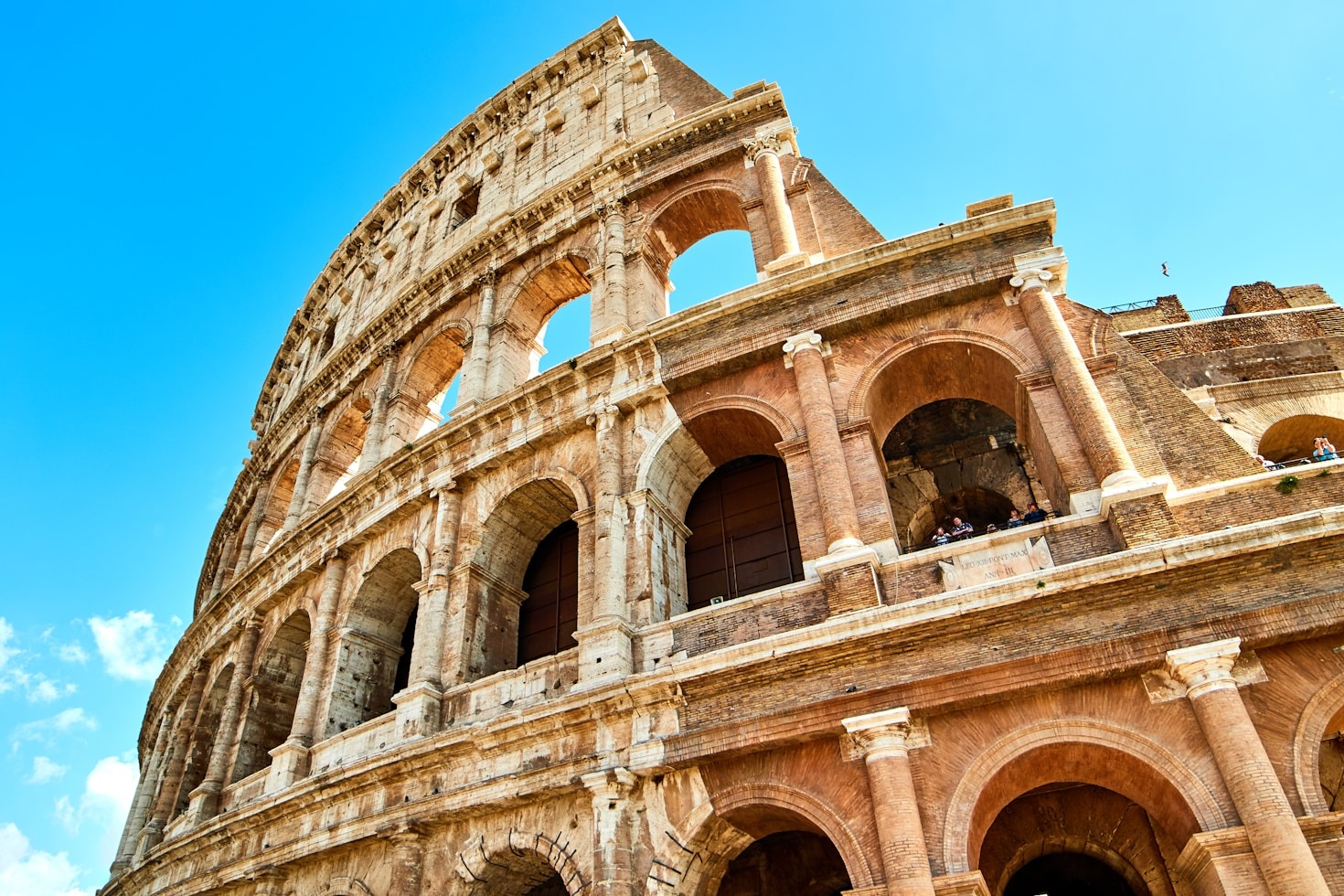
Your Roman canvas begins with its most iconic brushstroke—the Colosseum, rising from the earth like a monument to human ambition and endurance. As morning light filters through its weathered arches, you’re not merely observing architecture; you’re witnessing the physical manifestation of collective memory.

Step into the arena where history becomes visceral. The underground passages, recently opened to visitors, reveal the complex machinery of ancient spectacle—elevator systems that lifted exotic animals and gladiators into the blazing Roman sun, creating theater on a scale that still takes breath away. Here, engineering genius married entertainment innovation, producing experiences designed to overwhelm every sense.

Listen carefully in the arena’s center. Beyond the contemporary murmur of tourism, you can almost hear the roar of 50,000 voices, the clash of steel on steel, the exotic cries of animals from Africa’s furthest reaches. This isn’t nostalgia for brutality, but recognition of how spaces shape human experience and how power manifests through spectacle.

The upper levels offer perspectives that transform understanding. From here, the Colosseum reveals itself as part of Rome’s larger composition—connected to the Baths of Trajan, overlooking the Roman Forum, positioned to maximum dramatic effect. Ancient architects understood that buildings don’t exist in isolation but as elements in urban symphonies.

Roman Forum and Palatine Hill

From the Colosseum, your artistic journey continues into the Roman Forum—once the beating heart of an empire, now a romantic ruin that challenges imagination to reconstruct its former glory. Walking the Sacred Way, the same path trodden by triumphant generals and conquered kings, you’re painting your experience over the accumulated footsteps of millennia.

The Temple of Vesta, with its circular form echoing the prehistoric huts of Rome’s origins, demonstrates how even the mightiest civilization maintained connections to humble beginnings. The Vestal Virgins who tended the eternal flame here created one of history’s most powerful metaphors—the idea that civilization itself depends on continuous, careful tending.

Palatine Hill rises above the Forum like Rome’s original masterpiece—the hill where Romulus supposedly founded the city, where emperors built palaces that redefined luxury, where gardens still bloom among ruins that once housed the world’s most powerful individuals. The Domus Augustana’s frescoes, faded but still visible, remind us that human beings have always sought to surround themselves with beauty, regardless of their temporal power.

From Palatine’s gardens, Rome spreads below like a living map of human ambition. The view encompasses not just geography but chronology—layers of civilization visible simultaneously, each era’s contribution clear to the trained eye. This perspective teaches perhaps Rome’s greatest lesson: that all human achievement is both monumental and temporary, both eternal and ephemeral.

Day 2: Vatican City and Baroque Wonders

Visit to St. Peter’s Basilica

Your second day’s palette shifts from imperial purple and marble white to spiritual gold and celestial blue as you enter Vatican City, the world’s smallest nation harboring humanity’s grandest artistic treasures. St. Peter’s Basilica doesn’t simply impress—it overwhelms by design, every element calculated to inspire awe and spiritual submission.

Michelangelo’s dome, visible from across Rome, creates the city’s most recognizable silhouette. Standing beneath it, you experience architecture as prayer made manifest. The space’s proportions—seemingly impossible to achieve with 16th-century technology—demonstrate what becomes possible when artistic genius meets unlimited patronage and uncompromising vision.

Michelangelo’s Pietà, protected behind glass but still radiating emotional power, represents artistic achievement at its absolute peak. The 24-year-old sculptor’s ability to make marble express the deepest human grief while simultaneously conveying divine acceptance remains one of art’s most profound mysteries. Here, technical mastery serves emotional truth, creating something that speaks across centuries and cultures.

Bernini’s Baldachin, the bronze canopy over the papal altar, shows baroque artistry at its most theatrical. The twisted columns, the dynamic angles, the interplay of light and shadow—all create a stage set for the Catholic Church’s most sacred ceremonies. This isn’t just religious art but total environmental design, where architecture, sculpture, and spiritual theater unite.

The Vatican Museums and Sistine Chapel

The Vatican Museums offer perhaps the world’s most overwhelming artistic experience—a labyrinthine journey through humanity’s creative achievements, from ancient Roman sculptures repurposed for Christian glory to Renaissance masterpieces that redefined artistic possibility.

The Gallery of Maps transforms geography into art, with 16th-century cartographers creating frescoed representations of Italy that blend scientific accuracy with decorative beauty. Walking this corridor, you’re experiencing the Renaissance worldview made visual—the belief that knowledge and beauty naturally unite, that understanding the world and celebrating it artistically are identical impulses.

Raphael’s Rooms demonstrate artistic collaboration at its finest. These papal apartments, painted by Raphael and his workshop, create immersive environments where classical philosophy meets Christian theology, where artistic innovation serves political power, and where beauty becomes a form of persuasion. The School of Athens, with its architectural setting that mirrors St. Peter’s Basilica, argues visually that ancient wisdom and Christian revelation achieve perfect harmony.

The Sistine Chapel serves as your day’s crescendo—Michelangelo’s ceiling transforming architectural space into cosmic theater. The Creation of Adam, with its famous almost-touching fingers, captures in a single gesture humanity’s relationship with the divine. But the chapel’s true genius lies in its totality—how every figure, every scene, every architectural element contributes to a unified vision of salvation history.

Standing here during the crowds’ quieter moments, you realize you’re experiencing more than art—this is visual theology, architectural philosophy, a complete worldview expressed through pigment on plaster. The chapel doesn’t just contain masterpieces; it is itself a masterpiece of total environmental design.

Day 3: Exploring Trastevere and the Historic Center

A Stroll Through Trastevere

Your final day’s brushstrokes explore Rome’s most intimate neighborhoods, where the city reveals its daily rhythms and contemporary character. Trastevere—literally “across the Tiber”—maintains the village atmosphere that once made it Rome’s bohemian quarter, now evolved into a district where authentic Roman life continues alongside tourism.

Morning in Trastevere begins with the ritual of coffee and cornetti at neighborhood bars where regulars still gather for daily communion over espresso and newspapers. The cobblestone streets, medieval in origin but lined with buildings from every subsequent era, create an urban fabric where past and present interweave naturally.

Santa Maria in Trastevere, with its 12th-century mosaics glittering like jeweled tapestries, demonstrates how Christian Rome incorporated artistic techniques from Byzantine Constantinople. The church’s piazza becomes a natural theater where street musicians perform against backdrops of Renaissance palaces, creating impromptu concerts that echo the ancient Roman tradition of public entertainment.

The neighborhood’s restaurants and trattorias preserve culinary traditions that connect directly to ancient Rome. Here, recipes passed down through generations create continuity with the past while adapting to contemporary tastes. Dining becomes cultural education, each dish telling stories of trade routes, seasonal rhythms, and family traditions maintained across centuries.

Must-See Attractions in the Historic Center

The Pantheon stands as Rome’s most perfect artistic achievement—a building so harmonious in its proportions, so innovative in its engineering, so successful in its purpose that it has remained essentially unchanged for nearly 2,000 years. The oculus, that perfect circle opening to the sky, creates a sundial that marks time’s passage while connecting earth to heaven.

Inside the Pantheon, you experience architectural space as a spiritual metaphor. The dome’s proportions—its diameter exactly equal to its height—create mathematical perfection that the Romans believed reflected divine order. Standing in the center, looking up at the open sky, you participate in an architectural prayer that has moved visitors from Hadrian to Raphael to countless contemporary pilgrims.

The Trevi Fountain transforms urban infrastructure into a baroque theater. Bernini’s design—though completed by others—creates a stage where Neptune’s horses emerge from palazzo walls, where water becomes sculpture, where the practical necessity of urban water supply achieves artistic transcendence. The tradition of coin-throwing doesn’t diminish the fountain’s artistic achievement but adds a participatory ritual that connects contemporary visitors to the ancient Roman understanding of water as sacred.

The Spanish Steps create Rome’s most famous social theater, where the city’s daily performance unfolds against architectural scenery designed for maximum dramatic effect. The azaleas that bloom each spring transform the steps into a floral amphitheater, demonstrating how Roman urban design anticipated seasonal change as part of the city’s aesthetic experience.

Dining and Nightlife in Rome

Traditional Roman Cuisine

Roman cuisine reflects the city’s layered history through flavors that combine ancient traditions with medieval innovations and modern refinements. Unlike northern Italian cooking with its emphasis on butter and cream, or southern Italian cuisine with its abundant seafood, Roman food expresses the character of central Italy—robust, unpretentious, based on ingredients that grow well in Mediterranean soil.

Carbonara, perhaps Rome’s most famous pasta dish, tells the story of the city’s working-class creativity. Created from eggs, cheese, guanciale, and black pepper—ingredients that wouldn’t spoil quickly—the dish transforms simple elements into something approaching alchemy. Each bite connects you to generations of Roman cooks who understood that extraordinary flavors could emerge from ordinary ingredients treated with respect and skill.

Cacio e pepe demonstrates this principle even more directly. Just three ingredients—pasta, Pecorino Romano cheese, and black pepper—combine to create a dish of surprising complexity when prepared with proper technique. The dish requires understanding water temperature, timing, and the physics of emulsification, but when successful, it achieves a perfection that more elaborate recipes cannot match.

Roman wine bars, or enotece, create intimate theaters where food and wine perform together. Here, conversations flow like vintage wines, connecting strangers through shared appreciation for flavors that tell stories of volcanic soil, Mediterranean sun, and winemaking traditions that stretch back to ancient Rome. Each glass becomes a liquid postcard from the Roman countryside.

Evening Activities and Bars

Roman nightlife unfolds like the city itself—in layers that reveal different aspects of the city’s personality. The aperitivo tradition, borrowed from northern Italy but adapted to Roman rhythms, creates early evening rituals where neighborhoods transform into outdoor salons. Piazza Navona, Campo de’ Fiori, and Trastevere become stages where Romans perform the ancient art of social connection.

Cocktail bars in Rome’s historic center occupy Renaissance palaces and medieval spaces, creating venues where contemporary mixology meets architectural grandeur. Here, bartenders trained in molecular gastronomy create drinks that complement their surroundings—cocktails inspired by Roman history, served in spaces where that history actually unfolded.

Late-night Rome reveals a different character—quieter, more intimate, where the city’s eternal nature becomes most apparent. Walking through empty piazzas illuminated by fountain lights and palace windows, you experience Rome as countless nighttime wanderers have before you. The city’s monuments, freed from daytime crowds, resume their role as silent witnesses to human dreams and ambitions.

Jazz clubs tucked into basement spaces once used as ancient Roman storage rooms create venues where contemporary music meets historical architecture. These intimate spaces, where musicians and audiences share close quarters, echo the Roman understanding that the best entertainment emerges from direct human connection rather than technological mediation.

Tips for a Perfect Rome Itinerary

Best Time to Visit Rome

Rome rewards visitors year-round, but each season paints the city with different emotional palettes. Spring arrives with azaleas blooming on the Spanish Steps and Romans reclaiming outdoor cafés after winter’s retreat. The light during April and May achieves that golden quality beloved by Renaissance painters, making every photograph appear professionally composed.

Summer brings intensity—not just heat, but the concentrated energy of festival season, outdoor concerts, and extended daylight that allows for evening strolls past illuminated monuments. The city’s fountains become refreshing oases, and gelato shops operate as neighborhood community centers where locals and visitors unite in appreciation for artisanal frozen perfection.

Autumn in Rome offers perhaps the city’s most contemplative season. October and November light has a clarity that makes ancient stones appear freshly carved, while restaurant terraces become outdoor galleries where the art of conversation reaches seasonal peaks. This is when Romans return from beach holidays to rediscover their own city’s pleasures.

Winter in Rome reveals its most intimate character. Fewer crowds mean more authentic interactions with locals, while holiday traditions like Christmas markets and Epiphany celebrations in Piazza Navona create seasonal magic that transforms familiar spaces into winter wonderlands.

Navigating the City: Transportation Tips

Rome’s transportation system reflects the city’s layered nature—ancient streets never designed for automobiles, medieval districts that confound GPS systems, modern metros that occasionally halt construction when archaeological discoveries interrupt tunneling. Understanding this complexity transforms potential frustration into appreciation for urban evolution.

Walking remains Rome’s most rewarding transportation method. The historic center’s compact size makes most major attractions accessible on foot, while pedestrian exploration allows for serendipitous discoveries impossible from vehicle windows. Comfortable shoes become your most important travel equipment, enabling you to follow curiosity wherever it leads.

The metro system, limited by archaeological constraints, serves major destinations efficiently while providing its own historical education. Metro stations display artifacts uncovered during construction, making each journey a brief museum experience. The newer Line C stations function as underground galleries showcasing Rome’s continuous habitation across millennia.

Taxis and ride-sharing services navigate Rome’s traffic with expertise developed through daily practice, but they also insulate you from street-level discoveries. The balance between efficiency and experience defines successful Roman transportation—sometimes speed matters, sometimes the journey itself provides the day’s most memorable moments.

Conclusion: Embrace the Eternal Charm of Rome

As your Roman masterpiece nears completion, step back to admire what you’ve created. Your personal canvas now bears the brushstrokes of direct experience—colors mixed from ancient sunlight and modern laughter, textures built from marble touched by millions of hands, compositions balanced between planned itineraries and spontaneous discoveries.

Rome’s eternal charm lies not in its monuments alone, but in its ability to make every visitor simultaneously insignificant and essential. Insignificant because you’re one temporary consciousness among billions who have walked these streets; essential because your experience adds another layer to the city’s living palimpsest, another interpretation to its endless story.

The city you leave is not the same one you entered. Rome changes its visitors by revealing that human civilization, at its best, creates beauty that transcends individual lifespans. The Colosseum will endure beyond your great-grandchildren’s great-grandchildren, the Pantheon will continue hosting that daily dance of sunlight and shadow, the Trevi Fountain will keep performing its baroque theater of water and stone.

Yet you carry Rome with you now—not just in photographs and souvenirs, but in the expanded understanding that places can be more than locations. Rome is a teacher, a philosopher, a work of art that uses human beings as both audience and medium. Every gelato savored, every piazza crossed, every sunset witnessed from the Spanish Steps becomes part of your personal Rome, a city that exists now in your memory and imagination as surely as it exists in Italy.

The eternal city’s greatest gift is teaching that travel, when approached with an open heart and a curious mind, becomes a form of time travel. You’ve touched stones carved by Bernini’s hands, walked paths trodden by Caesar and Michelangelo, breathed air perfumed by the same Mediterranean herbs that scented ancient Roman gardens.

Return home carrying this knowledge: that beauty endures, that human creativity can achieve immortality, and that some places exist not just in geography but in the realm of essential human experience. Rome will wait for your return, patient as only eternal things can be, ready to reveal new layers to older, wiser eyes.

Until then, let the Eternal City live in your daily moments—in coffee rituals that echo Roman bars, in conversations that channel piazza gatherings, in sunsets that recall golden light filtering through ancient columns. Rome’s truest eternity lies not in its stones but in its ability to change how we see, how we live, how we understand our place in the continuous human story.


Signed,

Baldassarri Giuseppe ✓
Sales & Account Manager – Destination & Export Marketing


Rome: The Eternal City – A Perfect Itinerary Guide.

Discover the perfect itinerary for exploring Rome, the Eternal City, filled with must-see attractions and experiences.

  • Rome: The Eternal City – A Perfect Itinerary Guide
  • Introduction to Rome: The Eternal City
  • Day 1: Ancient Rome and the Colosseum
  • Exploring the Colosseum
  • Roman Forum and Palatine Hill
  • Day 2: Vatican City and Baroque Wonders
  • Visit to St. Peter’s Basilica
  • The Vatican Museums and Sistine Chapel
  • Day 3: Exploring Trastevere and the Historic Center
  • A Stroll Through Trastevere
  • Must-See Attractions in the Historic Center
  • Dining and Nightlife in Rome
  • Traditional Roman Cuisine
  • Evening Activities and Bars
  • Tips for a Perfect Rome Itinerary
  • Best Time to Visit Rome
  • Navigating the City: Transportation Tips
  • Conclusion: Embrace the Eternal Charm of Rome

Link: Rome: The Eternal City: A Perfect Itinerary.

Places to See, Things to Do, Trip Inspiration.
Powered by GetYourGuideActivities
Italian culture, tourist attractions in Italy, cultural experiences Italy, Italy entertainment, best places to visit in Italy, Italy travel guide

Baldassarri Giuseppe Destination & Export Digital Marketing Manager


⭐ Top Activities
⭐ Top Activities
Vatican
Museums & Sistine Chapel Ticket
➔
Milan
Cathedral & Duomo's Terraces Ticket
➔
Rome
Colosseum, Roman Forum & Palatine Hill Guided Tour
➔
Rome
Rome: Colosseum Arena Floor, Palatine & Forum Guided Tour
➔
Rome
Rome: Colosseum & Forum with Audio Guide App -Optional Arena
➔
Rome
Vatican Museums, Sistine Chapel & St. Peter's Basilica Tour
➔
Rome
Rome: Colosseum, Forum, Palatine Hill Entry, and Audio Guide
➔
Venice
Venice: Waterbus and Mainland Bus Pass
➔
Rome
Vatican Museums & Sistine Chapel Skip-the-Line Entry Ticket
➔
Florence
Florence: Pasta Cooking Class with Unlimited Wine
➔
Rome
Rome: Vatican Museums, Sistine Chapel & Basilica Tour
➔
Pompei
Pompeii: Entry Ticket and Guided Tour with an Archaeologist
➔
Rome
Rome: Big Bus Hop-on, Hop-off Open-Top Sightseeing Tour
➔
Rome
Rome: Pantheon Entry Ticket and Official Audioguide
➔
Rome
Vatican, Sistine Chapel & St. Peter's Skip-the-Line Tour
➔
Rome
Rome: Colosseum, Forum, Palatine Hill Entry & Audioguide App
➔
Venice
Venice: Doge's Palace Reserved Entry Ticket
➔
Milan
From Milan: Lake Como Private Boat, Bellagio and Lugano
➔
Florence
Florence:Uffizi Gallery Ticket & Audio Guide or Tour Options
➔
Florence
Florence: Michelangelo's David Skip-the-Line Entry Ticket
➔
Rome
Fiumicino Airport (FCO): Shuttle Bus To/From Roma Termini
➔
Florence
Florence: Brunelleschi's Dome Climb Entry Ticket & Duomo
➔
Rome
Rome: Pasta & Tiramisu Class with Fine Wine by the Vatican
➔
Venice
Venice: Grand Canal Gondola Ride with App Commentary
➔
Rome
Rome: Castel Sant'Angelo Entry Ticket & Digital Audioguide
➔
Naples
Naples: Naples Underground Entry Ticket and Guided Tour
➔
Rome
Colosseum, Roman Forum & Palatine Hill Entry and Audioguide
➔
Rome
Fiumicino Airport (FCO): Bus Transfer from/to Rome Termini
➔
Venice
Murano, Burano & Torcello: Half-Day Boat Tour in Venice
➔
Venice
Venice Islands: Murano Glass & Burano Colors Guided Visit
➔
Rome
From Rome: Pompeii, Amalfi Coast, and Sorrento Day Trip
➔
Rome
Rome: Colosseum Access with Official App & Arena Option
➔
Venice
Venice: Bus Transfer between Marco Polo Airport and City
➔
Venice
Venice: Marco Polo Airport Water Taxi Transfer
➔
Bari
UNESCO Tour: Alberobello and Matera by private bus from Bari
➔
Naples
From Naples: Sorrento, Positano & Amalfi Premium Tour
➔
Pisa
Pisa: Entrance Ticket to Leaning Tower & Cathedral
➔
Florence
Florence: Pasta & Tiramisu Cooking Class with Unlimited Wine
➔
Rome
Rome: City Sightseeing Hop-on Hop-off Bus with Audioguide
➔
Florence
Florence: Chianti Wineries Tour with Wine Tasting
➔
Rome
Rome: St. Peter's Basilica, La Pietà, Papal Tombs and Dome
➔
Milan
Milan: City Sightseeing Hop-On Hop-Off Bus with Audio Guide
➔
Venice
Venice: Boat Transfer to/from Marco Polo Airport w/ 3 Routes
➔
Milan
Milan: Milan Cathedral Direct Entrance - Terrace Excluded
➔
Florence
Florence: Accademia Gallery & David Skip-the-Line Ticket
➔
Rome
Rome: St. Peter's Basilica, Dome Climb, and Underground Tour
➔
ItalyTrade.org Viaggio su misura
✈️ Pianifica il viaggio
7-Day Italy Itinerary — panorama

7-Day Italy Itinerary: What to See, Map and Stops

From Rome to Venice, via Florence and Tuscany: a practical day-by-day guide

Editorial note. This article only includes sections for which a public source was found and verified.

Itinerary index

  1. 1. Introduction
  2. 2. An unmatched heritage
  3. 3. Why this itinerary works
  4. 4. The stops: cities, nature, art, villages
  5. 5. A journey through Italian flavors
  6. 6. Traditions and event calendar
  7. 7. Art and architecture
  8. 8. The Italian lifestyle
  9. 9. Villages and alternative routes
  10. 10. How many days, where to stay, when to go
  11. 11. Made in Italy excellence
  12. 12. Dream wedding locations
  13. 13. Luxury real estate
  14. 14. Prices and budget
  15. 15. Where to eat
  16. 16. Who visits Italy
  17. 17. Statistics and figures
  18. 18. Where visitors come from
  19. 19. Day-by-day itinerary
  20. 20. FAQ
  21. 21. Conclusion

📈 Trending today — 7-Day Italy Itinerary

Autumn is driving travel searches: grape harvests in Tuscany and Piedmont, foliage and the Alba White Truffle Fair are boosting interest in road-trip itineraries across Italy.

#ItalyTrip #ItalyItinerary #VisitItaly #DolceVita 🔥 #WhiteTruffle
Instagram TikTok Facebook X / Twitter
Plan a tailor-made trip
Introduction

Seven days, an entire country to discover

A 7-day Italy itinerary is the most realistic way to cross the country without sacrificing its soul: from Rome to Venice, via Florence and the Tuscan countryside, each stop tells a different chapter of the same centuries-old story. There is no need for a complicated route: a handful of well-connected cities by train or car, plus a pace that leaves room for the unexpected, is what several travel guides dedicated to one-week tours of the country recommend. Spotahome guide — Touring Italy in 7 days

Geographically, Italy stretches over 1,200 km from the Alps to Sicily, but a one-week itinerary works best when it focuses on a North-Central axis, reducing travel time and increasing the actual time spent in each city: Rome, Florence and Venice remain the most recommended stops for travelers with only seven days available. Visititaly.eu — Italy Express, the essential 7-day itinerary

📍
61
UNESCO sites in Italy (2026)
🌡️
14–24°C
Average autumn temperatures
🗣️
Italian
Official language
✈️
Rome · Milan
Main airport hubs
Culture and nature

An unmatched artistic heritage

Italy is the country with the highest number of World Heritage Sites in the world: as of 2026 the Ministry of Culture's official count stands at 56 historic recognitions, a record no other nation holds. Ministry of Culture — Italian UNESCO World Heritage Sites

According to Wikipedia's update based on UNESCO data, by 2026 the total number of inscribed heritage sites rises to 62, of which 55 are cultural and 6 natural: a mosaic ranging from the historic centers of Rome and Florence to the Dolomites, from the Cinque Terre to the vineyard landscapes of Piedmont and Tuscany. Wikipedia — World Heritage Sites of Italy

Uniqueness

Why this itinerary works in 7 days

🏛️ The country with the most UNESCO sites in the world

No other nation can count on a similar concentration of art, history and landscapes recognized by the whole of humanity, spread across even lesser-known regions. GreenMe — UNESCO heritage sites in Italy, the complete map

🍝 A cuisine that changes from region to region

From Rome to Venice, the itinerary's food changes radically: carbonara in the capital, steak in Tuscany, sarde in saor in the Venetian lagoon. Spotahome — Touring Italy in 7 days

🎭 Centuries-old traditions, still alive

Events such as the Palio di Siena, a horse race held twice a year in Piazza del Campo since the Middle Ages, show how Italy's calendar is still shaped today by authentic historic rituals. Municipality of Siena — The Palio di Siena

Places and sites

The must-see stops of the itinerary

Lazio

Rome

The Colosseum, the Imperial Forums and the Palatine Hill make up Italy's most visited archaeological park: the standard ticket costs €18 and is valid for 24 hours. Colosseo.it — Official opening hours and tickets

Tuscany

Florence

Tuscany's Renaissance heart revolves around Piazza del Duomo, the Ponte Vecchio and the Uffizi Gallery, open Tuesday to Sunday from 8:15 am to 6:30 pm. B-ticket — Official Uffizi ticket office

Veneto

Venice

Built on 118 small islands linked by 354 bridges and crossed by 177 canals, Venice is best explored on foot and by vaporetto along the Grand Canal. Venezia-tourism.com — Tourist information

Tuscany

Siena

The medieval center that hosts the Palio, the traditional horse race run in Piazza del Campo on July 2 and August 16 every year. Municipality of Siena — The Palio

Tuscany

Val d'Orcia and Chianti

Vine-covered hills between Siena and Montalcino, best visited in September and October during the grape harvest, when the vineyards turn red and gold. Freedome — Where to go on holiday in Italy in 2026

Liguria

Cinque Terre

Five villages perched over the sea — Monterosso, Vernazza, Corniglia, Manarola and Riomaggiore — linked by scenic trails along the Ligurian coast. Spotahome — Touring Italy in 7 days

Trentino-Alto Adige

The Dolomites

A UNESCO World Heritage Site since 2009, the Dolomites offer a mountain alternative for those wishing to extend the itinerary beyond the classic seven days. Wikipedia — World Heritage Sites of Italy

Piedmont

Langhe and Roero

The hills of Piedmont, home to Barolo and Barbaresco wines, take center stage in autumn with the hunt for the white truffle. Freedome — Destinations for 2026

Florence

Uffizi Gallery

One of the most visited museums in the world, it holds the largest collection of Botticelli and Raphael works from the Florentine Renaissance. Toscana.info — Uffizi Gallery, works and information

Rome

Imperial Forums and Palatine Hill

The Palatine Hill, home to the imperial palaces after Augustus, today houses the Palatine Museum with finds from Rome's earliest history. Ministry of Culture — Roman Forum and Palatine Hill

Rome

Flavian Amphitheatre

Built in the 1st century AD under the Flavian dynasty, the Colosseum remains the largest amphitheatre ever built in the world. Ministry of Culture — Colosseum, Flavian Amphitheatre

Venice

St Mark's Basilica

The symbol of the Serenissima overlooks Venice's most famous square, an ideal starting point for exploring the city's six sestieri (districts). Venezia-tourism.com

Siena

San Gimignano

Its medieval towers dominate the Sienese countryside, recognized as a UNESCO site for the pastoral landscape of the Via Francigena. Archètravel — 10 UNESCO sites in Italy you shouldn't miss

Piedmont

Alba

The capital of the Langhe turns its medieval center into a food-and-wine hub every autumn during the White Truffle Fair. Tartufi Ratti — Guide to the Alba White Truffle Fair

Liguria

Vernazza and Manarola

Two of the five Cinque Terre villages, also reachable by train along the Ligurian coast, ideal for a stop off the beaten path. Spotahome — Touring Italy in 7 days

Marche

Gradara and the Conero Riviera

Castle villages and scenic coastline often suggested as a less crowded alternative to Central Italy's better-known destinations. Tripadvisor Italy Forum — Travel advice

Food and wine

A journey through Italian flavors

Each stop of the itinerary corresponds to a different cuisine: in Rome you eat carbonara in the Trastevere neighborhood, moving north you shift to Tuscan cuisine and finally to Venice's lagoon flavors. Spotahome — Touring Italy in 7 days

🍝 Regional dishes not to miss

Carbonara

The quintessential Roman dish, best tasted in Trastevere during the Rome stop.

Bistecca alla fiorentina

A signature cut of Tuscan cuisine, typical of trattorias in central Florence.

Pici with truffle

Handmade pasta from Siena paired with truffle, also a star in the Piedmontese Langhe.

Sarde in saor

A sweet-and-sour Venetian dish with sardines, onions and raisins, typical of Venice's bacari.

Venetian cicchetti

Traditional small bites served in the bacari of the Cannaregio and Castello districts.

Chianti DOCG

The red wine that symbolizes Tuscany, produced on the hills crossed during the itinerary.

🍷 Wines along the route

The Chianti hills between Siena and Florence remain the most popular wine destination on the central leg of the itinerary, while travelers extending the trip toward Piedmont can pair the autumn stop with Barolo and Barbaresco tastings in the Langhe. Freedome — Where to go on holiday in Italy in 2026

Traditions

Traditions and events along the itinerary

🎉 Event calendar

Palio di Siena — July 2 and August 16

The Carriera in Piazza del Campo, raced by the city's Contrade, remains one of the most authentic identity-driven events in Tuscany. Municipality of Siena — Palio ordinances and schedule

Alba International White Truffle Fair — 10 October–6 December 2026

Now in its 96th edition, the fair turns Alba into a food-and-wine hub with a world truffle market and tastings across the Langhe. Piemonte Expo — Alba White Truffle Fair 2026

Grape harvest in Tuscany and Piedmont — September-October

The grape-picking season makes the hills of Chianti and the Langhe especially picturesque, with plenty of local food-and-wine events. Freedome — Destinations for 2026

⛪ A calendar shaped by centuries-old rites

From the historic procession that precedes the Palio di Siena to the religious celebrations tied to the Assumption on August 16, many of the traditions encountered along a 7-day itinerary trace their roots back to the Middle Ages and are still managed directly by local communities. Municipality of Siena — The Palio di Siena

Art and architecture

Art and architecture: the masterpieces not to miss

The Uffizi hold the world's largest collection of Botticelli and Raphael works, alongside masterpieces by Giotto, Titian, Leonardo da Vinci and Caravaggio, inherited from the Medici family's private collection. Toscana.info — Uffizi Gallery, works and information

In Rome, the Colosseum Archaeological Park combines the Colosseum, the Roman Forum and the Palatine Hill into a single route: ticket sales open 30 days before the visit, and online booking is recommended to avoid queues. Colosseo.it — Opening hours and tickets

Everyday life

The charm of the Italian lifestyle

Strolling through Trastevere in Rome, crossing the Ponte Vecchio in Florence, or getting lost among Venice's calli means stepping into a pace of life made of piazzas, markets and coffee stops that remains the true added value of a one-week itinerary. Agoda — 7 days of Italian indulgence

In Venice, local life is inseparable from the lagoon: the city is organized into six sestieri — Cannaregio, Castello, Dorsoduro, Santa Croce, San Marco and San Polo — and is lived mainly on foot or by water. Venezia-tourism.com — Tourist information

Villages and routes

Villages and alternative itineraries

Travelers wanting to vary the classic Rome-Florence-Venice axis can turn the itinerary south, alternating Rome, Naples and the Amalfi Coast, or toward Piedmont in autumn to combine the Langhe hills with the White Truffle Fair. Spotahome — Touring Italy in 7 days

🗺️ Short itinerary (7 days): Rome – Florence – Venice

Days 1-2: Rome. Days 3-4: Florence and Siena. Days 5-6: Venice. Day 7: Verona day trip and departure.

🗺️ Extended itinerary (10-14 days): North-Central-South

By adding a few days, the route can be extended from Milan all the way to Naples and the Amalfi Coast, a route often suggested by travel guides as a complete North-South alternative. Spotahome — Touring Italy in 7 days

Planning

How many days, where to stay, when to go

⏱️ Recommended duration

Seven days are enough to realistically cover the Rome-Florence-Venice axis, allowing roughly two full days for each city plus a transition day for train travel. Visititaly.eu — Italy Express, the essential 7-day itinerary

🏨 Where to stay (by type)

Hotels and resorts

In the historic centers of Rome, Florence and Venice, mid- to high-range hotels remain the most practical option for travelers with limited time who want to walk between the main attractions.

Apartments and holiday homes

A recommended option for families or multi-night stays in the same city, often cheaper than a hotel in central areas.

Agriturismo (farm stays)

Ideal for the Tuscany leg, between Siena and San Gimignano, to experience the Chianti hills described by travel guides. Spotahome — Touring Italy in 7 days

Campsites and glamping

A more budget-friendly alternative for independent travelers, common along the coast and in the hilly areas of Central Italy.

📅 Best time to go

The best time for a 7-day itinerary runs from late April to early June, or from mid-September to mid-October, when the weather is mild, crowds are thinner, and temperatures stay between 14°C and 24°C. iRoamly — Best time to visit Italy

Local excellence

Made in Italy excellence along the route

Alba's white truffle, Tuscan Chianti DOCG and the wines of Langhe and Roero are among the most representative products encountered right along this itinerary, with the Alba fair drawing over 600,000 visitors every year across the Langhe, Monferrato and Roero. Sapori News — Alba International White Truffle Fair 2026

Destination wedding

Dream wedding locations along the itinerary

Tuscan villas between Siena and Florence, and historic Venetian palaces, are among the most sought-after locations for international weddings in Italy, thanks to a combination of landscape, art and hospitality services now well established in the luxury travel sector. Discover ItalyTrade's luxury wedding services.

Real estate

Luxury real estate along the itinerary

The areas covered by this itinerary — from the historic center of Florence to the Chianti hills, all the way to the historic palaces of Venice — remain among Italy's most sought-after luxury real estate markets for international investors. Learn more about the luxury real estate market.

Prices and budget

Accommodation prices: low and high season

🌧️ Low season
(January-March, November)

€100–350

Double room in a 3-4 star hotel in the historic centers of Rome, Florence or Venice.

☀️ High season
(June-August, December)

€350–1000

Same accommodation types, with rates in historic centers that can exceed €1,000 a night for luxury options.

🍽️ Budget restaurant

€100–200

Dinner for two at a traditional trattoria, wine included.

🦞 Gourmet restaurant

€200–1000

Tasting menu at a Michelin-starred restaurant in Rome, Florence or Venice, wine pairing included.

Where to eat

Where to eat along the itinerary

🍝 Traditional trattoria

In Rome's Trastevere, this is the most recommended option for tasting authentic carbonara in an informal setting. Spotahome — Touring Italy in 7 days

🍷 Wine bar with kitchen

Common between Siena and the Chianti hills, pairing local wine tastings with traditional Tuscan country dishes.

🥗 Agriturismo

In Tuscany, this lets you eat farm-to-table produce directly on the estate where you are staying.

🍢 Venetian bacaro

In Venice, bacari serve cicchetti and small glasses of wine standing up — a local habit not to miss in the Cannaregio and Castello districts.

Visitor analysis

Who visits Italy?

In the fourth quarter of 2025, foreign visitors accounted for 56.5% of total overnight stays in Italy, up 5.1% year-on-year, while overnight stays by Italian tourists remained broadly stable. Confcommercio — Tourism in Italy, Q4 2025 (Istat data)

Share of foreign and Italian overnight stays, Q4 2025 56.5% foreign
  • 56.5% Overnight stays by foreign tourists
  • 43.5% Overnight stays by Italian tourists

Source: Istat, Movement of clients in accommodation facilities, Q4 2025. Full source

Data and figures

Tourism statistics in Italy

0 Million visitors in 2024 (record)
0 UNESCO sites in Italy (2026)
0 Average nights, foreign tourists
0 % of overnight stays generated by foreigners

Sources: Roami, Ministry of Culture, Confcommercio/Istat.

Origins

Where do visitors come from?

According to Bank of Italy data, the inbound tourism flow is fed by both European and non-European travelers: Germany and Spain remain the leading countries of origin, while arrivals from the Gulf states and the Far East are growing rapidly. Businessonline — Official Bank of Italy data on tourism in Italy, 2025

July is confirmed as the peak month for foreign tourist arrivals, with 42.7 million overnight stays recorded in summer 2025, while Italians continue to prefer August for their own holidays. Valigiamo — Summer 2025, Istat data on tourism in Italy

Detailed itinerary

7-day itinerary, day by day

Days 1-2

Rome

Colosseum, Roman Forum and Palatine Hill in the morning with a pre-booked ticket; in the afternoon, the Trevi Fountain, the Pantheon and dinner in Trastevere.

Book the Colosseum on the official site

Day 3

Florence

Piazza del Duomo, Ponte Vecchio and the Uffizi Gallery: allow at least 2-3 hours for the museum visit.

Official Uffizi tickets

Day 4

Siena and San Gimignano

A day in Tuscany between Piazza del Campo in Siena and the medieval towers of San Gimignano, returning to Florence in the evening.

Days 5-6

Venice

St Mark's Basilica, Doge's Palace, a vaporetto ride along the Grand Canal, and a stop on the islands of Murano and Burano.

Tourist information about Venice

Day 7

Verona and departure

A half-day excursion to Verona, returning to Venice in time for your departing flight or train.

Plan your itinerary with ItalyTrade

Frequently asked questions

FAQ — 7-Day Italy Itinerary

The most recommended axis is Rome-Florence-Venice, with an optional stop in Siena or Verona. Source: Visititaly.eu

Late April to early June, or mid-September to mid-October, when temperatures stay between 14°C and 24°C and crowds are thinner. Source: iRoamly

The standard 24-hour ticket for the Colosseum, Roman Forum and Palatine Hill costs €18, with mandatory booking of the entry time slot. Source: Colosseo.it

Yes: the Uffizi Gallery is among the most visited museums in the world, and booking online significantly cuts down waiting times at the ticket office. Source: B-ticket, official Uffizi ticket office

As of 2026, Italy holds the highest number of UNESCO sites in the world, between 56 and 62 depending on the source and counting method. Source: Ministry of Culture

Yes, the City of Venice applies an Access Contribution for day visitors on certain dates; up-to-date information is published on the city's official portal. Source: City of Venice

In 2024, Italy recorded a record 65 million visitors, while in Q4 2025 foreigners generated 56.5% of total overnight stays. Source: Confcommercio/Istat

Yes: travelers visiting between October and December can extend the route to Piedmont for the Alba International White Truffle Fair, running from October 10 to December 6, 2026. Source: Piemonte Expo

Conclusion

Seven days to fall in love with Italy

A well-built 7-day Italy itinerary doesn't aim to see everything, but to leave time to truly experience every stop: the history of Rome, the Renaissance of Florence, the Tuscan hills and the canals of Venice together tell an identity no other destination can replicate.

Whether you choose spring, with its soft colors, or autumn, with the grape harvest and the Truffle Fair, the result is the same: a trip capable of staying with you long after the week on the road is over.

Italy isn't just visited: it's lived, one day at a time.

Jump back to a section

  1. 1. Introduction
  2. 2. An unmatched heritage
  3. 3. Why this itinerary works
  4. 4. The stops: cities, nature, art, villages
  5. 5. A journey through Italian flavors
  6. 6. Traditions and event calendar
  7. 7. Art and architecture
  8. 8. The Italian lifestyle
  9. 9. Villages and alternative routes
  10. 10. How many days, where to stay, when to go
  11. 11. Made in Italy excellence
  12. 12. Dream wedding locations
  13. 13. Luxury real estate
  14. 14. Prices and budget
  15. 15. Where to eat
  16. 16. Who visits Italy
  17. 17. Statistics and figures
  18. 18. Where visitors come from
  19. 19. Day-by-day itinerary
  20. 20. FAQ

Great Destinations

🏖️ Coasts, Archipelagos and Coastal Rivieras

Amalfi Coast, Cinque Terre, Costa Smeralda , Salento, Riviera Romagnola, Maremma, Gargano, Cilento, Versilia, Costa dei Trabocchi, Ulysses Riviera, Costa degli Dei, Riviera dei Fiori, Costa Viola, Costa dei Gelsomini, Coral Riviera, Riviera delle Palme, South Sardinia Coast, Golfo degli Angeli Cagliari, Tuscan Archipelago (Elba, Giglio, Capraia, Montecristo, Pianosa, Giannutri and Gorgona), Conero, Aeolian Islands, Egadi Islands, Pelagie Islands, La Maddalena Archipelago, Sardinia, Pontine Islands, Tremiti Islands, Gulf of Naples Islands (Capri, Ischia, Procida).

🏞️ Lakes and Pre-Alpine Areas

Lake Como, Lake Garda, Lake Maggiore, Lake Iseo, Lake Trasimeno, Lake Bolsena, Lake Bracciano, Lake Lugano (Italian side), Lake Orta, Lake Vico, Alimini Lakes.

🏔️ Mountains and Alpine Resorts

Dolomites, Val di Fassa, Val Gardena, Alta Badia, Val di Fiemme, Valtellina, Cadore, Val Venosta, Val Pusteria, Val d'Ayas, Val di Gressoney, Valsesia, Val di Sole, Val di Non, Val Camonica, Via Lattea, Sellaronda, Matterhorn Ski Paradise (Italian side), Gran Paradiso, Mont Blanc Massif (Italian side), Alpe di Siusi, Plan de Corones Alto Adige (Südtirol).

🍷 Hilly, Rural and Historical Areas

Chianti: among villages and wineries, Val d'Orcia Tuscany UNESCO World Heritage Site, Langhe;Wine, Food, Truffle and Landscapes, Roero: Wines, Landscapes, Gastronomy , Monferrato: Italian wine region, Val di Noto: Sicily’s Baroque heritage, Tuscia: Etruscan Roots and Medieval Villages, Itria Valley: the trulli region of Puglia, Lunigiana, Tuscany, medieval castles, charming villages, Garfagnana, Tuscany: Tuscan mountain villages and castles, Casentino, Mugello, Valdichiana, Valle Umbra, Valnerina, Murge, Sila, Aspromonte, Barbagia, Gallura, Ogliastra, Sulcis-Iglesiente, Carnia, Brianza, Oltrepò Pavese, Franciacorta, Colli Euganei, Sibillini Mountains.

🏛️ Top Italian Tourism Municipalities

Here is the single list featuring the 100 Italian municipalities consistently at the top for overall tourist arrivals and overnight stays. The order reflects official Istat data from consolidated surveys on overnight stays in accommodation facilities (hotels, campsites, and extra-hotel accommodations).

Roma (Lazio), Milano (Lombardia), Venezia (Veneto), Firenze (Toscana), Rimini (Emilia-Romagna), Cavallino-Treporti (Veneto), San Michele al Tagliamento / Bibione (Veneto), Jesolo (Veneto), Caorle (Veneto), Bologna (Emilia-Romagna), Lazise (Veneto), Napoli (Campania), Lignano Sabbiadoro (Friuli-Venezia Giulia), Riccione (Emilia-Romagna), Torino (Piemonte), Verona (Veneto), Cervia (Emilia-Romagna), Cesenatico (Emilia-Romagna), Sorrento (Campania), Peschiera del Garda (Veneto), Bardolino (Veneto), Ravenna (Emilia-Romagna), Gatteo (Emilia-Romagna), Bellaria-Igea Marina (Emilia-Romagna), Castelrotto / Kastelruth (Trentino-Alto Adige), Riva del Garda (Trentino-Alto Adige), Pisa (Toscana), Sirmione (Lombardia), Malcesine (Veneto), Comacchio (Emilia-Romagna), Genova (Liguria), Padova (Veneto), Limone sul Garda (Lombardia), Cattolica (Emilia-Romagna), Selva di Val Gardena (Trentino-Alto Adige), Desenzano del Garda (Lombardia), Vieste (Puglia), Assisi (Umbria), Garda (Veneto), Montecatini Terme (Toscana), Abano Terme (Veneto), Grado (Friuli-Venezia Giulia), Palermo (Sicilia), Arzachena / Costa Smeralda (Sardegna), Orbetello (Toscana), San Vincenzo (Toscana), Castiglione della Pescaia (Toscana), Livigno (Lombardia), Badia (Trentino-Alto Adige), Corvara in Badia (Trentino-Alto Adige), Chioggia (Veneto), Alghero (Sardegna), Olbia (Sardegna), Taormina (Sicilia), Lucca (Toscana), Siena (Toscana), Siracusa (Sicilia), Catania (Sicilia), Bari (Puglia), Lecce (Puglia), Otranto (Puglia), Gallipoli (Puglia), Ugento (Puglia), Matera (Basilicata), Cortina d'Ampezzo (Veneto), San Vito Lo Capo (Sicilia), Cefalù (Sicilia), Villasimius (Sardegna), Sanremo (Liguria), Finale Ligure (Liguria), Trieste (Friuli-Venezia Giulia), Trento (Trentino-Alto Adige), Bolzano (Trentino-Alto Adige), Bergamo (Lombardia), Brescia (Lombardia), Como (Lombardia), Stresa (Piemonte), Baveno (Piemonte), Misano Adriatico (Emilia-Romagna), Eraclea (Veneto), Arco (Trentino-Alto Adige), Nago-Torbole (Trentino-Alto Adige), Andalo (Trentino-Alto Adige), Canazei (Trentino-Alto Adige), Campitello di Fassa (Trentino-Alto Adige), Marebbe / Enneberg (Trentino-Alto Adige), Valdaora / Olang (Trentino-Alto Adige), Pinzolo / Madonna di Campiglio (Trentino-Alto Adige), Bormio (Lombardia), Courmayeur (Valle d'Aosta), Ayas (Valle d'Aosta), Molveno (Trentino-Alto Adige), Mezzana (Trentino-Alto Adige), Dobbiaco / Toblach (Trentino-Alto Adige), Sesto / Sexten (Trentino-Alto Adige), San Candido / Innichen (Trentino-Alto Adige), Positano (Campania), Amalfi (Campania), Ischia (Campania), Perugia (Umbria)

🏰 20 Most Beautiful Villages in Italy

  • Alberobello Puglia
  • Borghetto sul Mincio Veneto
  • Carloforte Sardinia
  • Castell'Arquato Emilia-Romagna
  • Castelmezzano Basilicata
  • Chianalea di Scilla Calabria
  • Chiusa / Klausen Trentino-South Tyrol
  • Cingoli Marche
  • Civita di Bagnoregio Lazio
  • Étroubles Aosta Valley
  • Gradisca d'Isonzo Friuli-Venezia Giulia
  • Manarola Liguria
  • Militello in Val di Catania Sicily
  • Orta San Giulio Piedmont
  • Sabbioneta Lombardy
  • San Gimignano Tuscany
  • Santo Stefano di Sessanio Abruzzo
  • Sepino Molise
  • Spello Umbria
  • Zungoli Campania

Top Destinations in Italy: A Comprehensive Guide: Things to do in Italy 5-days › 6-days › 7-days › 8-days › 9-days › 10-days › 12-days › 14-days › 21-days › 30-days › › January › › February › › March › › April › › May › › June › › July › › August › › September › › October › › November › › December › › Italy: A Perfect Itinerary ›

Top Destinations in Italy: A Comprehensive Guide
By Giuseppe Baldassarri ✓ Sales & Account Manager – Destination & Export Marketing in Italy
Italy’s Best Things to Do – Discover Italy’s Essence

Editorial transparency

Who wrote this article? Based on what?

📋 Transparency and Verifiability

Written by: Giuseppe Baldassarri — ItalyTrade.org.
Based on which evidence: Official, verified sources linked throughout the text (Ministry of Culture, Istat, Bank of Italy, Municipality of Siena, City of Venice, Colosseo.it, Uffizi B-ticket, Piemonte Expo).
Are there other viewpoints: Yes, noted where relevant (e.g. the exact number of UNESCO sites, which ranges from 56 to 62 depending on the source).
Possible undisclosed interest: None. Independent editorial content.

How would you rate your experience?

Click the button below to leave your review.

Write a Review

Vivi l'Italia

  • La moda italiana
  • Cibo e vino
  • Design e arredo
  • Motori & Nautica
  • Turismo esperenziale
  • Artigianato
  • Matrimoni in ville di lusso in Italia | Location esclusive

Things to do in Italy

  • Italian fashion
  • Food & Wine
  • Design & Furnishings
  • Cars & Yachts
  • Experiential tourism
  • Festivals in Italy
  • Luxury Real Estate
  • Luxury Villa Weddings in Italy | Exclusive Venues

Erleben Sie Italien

  • Italienische Mode
  • Essen und Wein
  • Design und Einrichtung
  • Yachten & Motoren
  • Erlebnistourismus
  • Luxusimmobilien
  • Luxushochzeiten in italienischen Villen

Experimenta Italia

  • Moda italiana
  • Comida y vino
  • Diseño y muebles
  • Motores y navegación
  • Turismo experiencial
  • Bodas en Italia

Découvrez l'Italie

  • Mode italienne
  • Cuisine et vins
  • Design et ameublement
  • Voitures et yachts
  • Tourisme expérientiel
  • Immobilier de luxe
  • Mariages de luxe dans des villas en Italie

Wat te doen in italië

  • Italiaanse mode
  • Eten en wijn
  • Design en meubilair
  • Auto's en jachten
  • Ervaringstoerisme
  • Luxe vastgoed
  • Luxe bruiloften in Italiaanse villa's

Giuseppe Baldassarri

CHI SONO | ABOUT ME | OVER MIJ | SUR MOI | ÜBER MICH | ACERCA DE MÍ | 关于我 | عنّي

Giuseppe Baldassarri Senior Revenue Manager & AI Search Specialist (AEO/GEO) | Sales & Account Manager | Destination & Export Marketing | Travel Designer | Vivi l’Italia – italytrade.org

Website: ItalyTrade.org — Travel & Business | Italy: Made in Italy

"Turning Italian excellence into global visibility in the age of artificial intelligence"

Facebook LinkedIn Instagram TikTok

ItalyTrade.org

Luxury Real Estate | Export | Luxury Wedding | Travel Design

IT | EN | NL | FR | DE | ES | ZH | AR

© 2026 — All rights reserved ItalyTrade.org

About » Privacy Policy » Cookie Policy » Terms of Service » Image Licenses » Sitemap » Services » Reviews » Contact » Work with us