Feel Italy’s Essence:
Top Things to Do: Explore the Best of Italy
Narration by Baldassarri Giuseppe ✓ Sales & Account Manager – Destination & Export Marketing
“Italy Things to Do | Discover Italy’s Essence”
Naples: Your Ultimate Gateway to the Amalfi Coast Itinerary
Explore Naples as the ideal gateway to the Amalfi Coast with this comprehensive itinerary. Discover top sights, local food, and essential tips for an unforgettable journey.
Imagine a master craftsman’s workshop, where each tool serves not just its immediate purpose, but harmonizes with every other element to create something extraordinary. The weathered hands know instinctively which chisel to select, understanding that the marble’s grain whispers secrets about how it wishes to be shaped. Each strike resonates through the workshop, awakening dormant possibilities, while the artisan’s eyes dance between vision and reality, sensing the hidden sculpture waiting within the stone.
This is how Naples embraces you—not merely as a destination, but as a living atelier where every cobblestone, every aroma wafting from ancient pizzerias, and every gesture of welcome becomes part of your personal masterpiece. Here, in this chaotic symphony of southern Italian life, you don’t simply visit; you participate in an ancient dance between traveler and place, where each sense awakens to new possibilities and every moment becomes a brushstroke on the canvas of memory.
As you stand at the threshold of this remarkable journey, Naples extends her hand like that master craftsman, ready to guide you through an experience that will reshape not just your understanding of Italy but perhaps of yourself. For this is where the true adventure begins—where the heart of Campania beats strongest, and where the golden coast beyond beckons with promises of transformation.
Introduction to Naples and the Amalfi Coast
Naples stands as Italy’s soul made manifest—a city where three millennia of history layer upon each other like sedimentary rock, each stratum telling stories of conquest, creativity, and an indomitable human spirit. This is not merely a starting point for your coastal adventure; it’s the emotional overture to an experience that will resonate long after you’ve returned home.
The relationship between Naples and the Amalfi Coast mirrors that between a passionate prelude and a sublime symphony. Naples awakens your senses with its raw authenticity—the controlled chaos of Spaccanapoli, the aromatic theaters of its pizzerias, the operatic conversations that spill from balconies into narrow streets. It prepares you, both practically and emotionally, for the refined elegance that awaits along the coast.
Here, in this UNESCO World Heritage city, you’ll discover that every corner holds a secret, every piazza pulses with life, and every interaction becomes a small revelation about the Italian way of being. Naples doesn’t simply show you Italy; it invites you to feel Italy, to taste its complexity, to hear its ancient songs, and to touch its enduring spirit.
Why Naples is the Perfect Gateway
The genius of beginning your Amalfi Coast journey in Naples lies not in mere geographical convenience but in the profound psychological preparation it provides. Like a master sommelier who understands that the palate must be awakened before experiencing the finest wines, Naples awakens your capacity for wonder before you encounter the coast’s breathtaking beauty.
Transportation networks radiate from Naples like the spokes of a well-designed wheel, connecting you seamlessly to Pompeii’s frozen moments in time, the Amalfi Coast’s vertical gardens, and the azure dreamscapes of Capri. The city’s ports, railway stations, and highways form an intricate web that makes your journey not just possible but effortless.
Yet beyond logistics lies something more precious—authenticity. In Naples, you encounter Italy unfiltered, unpackaged, and uncompromised. The elderly woman hanging laundry from her fourth-floor window, the pizzaiolo whose hands move with inherited memory, the fishmonger whose eyes twinkle as he shares stories of the morning’s catch—these moments create an emotional foundation that transforms every subsequent experience from mere sightseeing into a meaningful encounter.
The city’s cultural intensity—its museums housing treasures from Pompeii, its churches adorned with Caravaggio masterpieces, its underground chambers that whisper of ancient Greek settlements—provides the historical context that makes every vista along the Amalfi Coast resonate with deeper meaning.
Overview of the Amalfi Coast
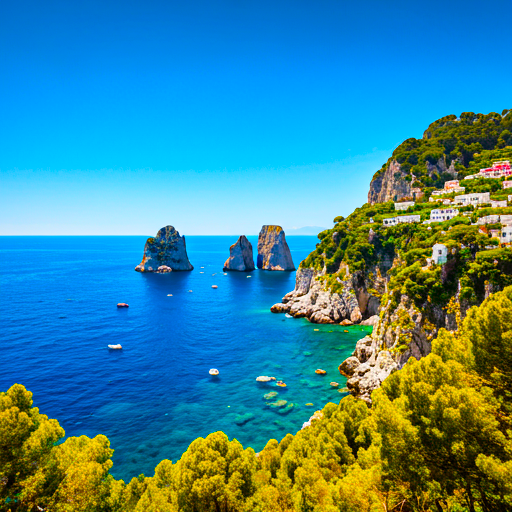
The Amalfi Coast unfolds like a love letter written by the gods across 50 kilometers of the Mediterranean’s most dramatic shoreline. Here, the Lattari Mountains plunge into azure waters with such theatrical flair that every vista appears almost impossibly composed—as if nature itself were a master artist who understood the profound impact of beauty on the human soul.
This coastline speaks in multiple languages: the whispered prayers of ancient monasteries clinging to clifftops, the exuberant songs of lemon groves that cascade down impossible slopes, the gentle lullabies of waves caressing hidden coves. Each town along the coast possesses its own distinct personality—Positano’s pastel elegance, Amalfi’s maritime grandeur, Ravello’s intellectual serenity, Sorrento’s gracious hospitality.
The landscape here doesn’t simply surround you; it embraces you. The interplay of light and shadow across terraced vineyards, the way morning mist rises from the valleys like incense, and how each twist of the coastal road reveals a new masterpiece—these elements combine to create an experience that engages every sense and emotion.
The coast’s villages seem to grow organically from the rock itself, their architecture a testament to human ingenuity and respect for natural beauty. Narrow pathways wind between houses painted in hues that complement rather than compete with the natural palette of sea, sky, and stone. Gardens spill over ancient walls, creating living tapestries of bougainvillea, jasmine, and herbs that perfume the Mediterranean air.
Preparing Your Itinerary
Best Time to Visit Naples and the Amalfi Coast
The rhythm of seasons along this stretch of coast creates distinctly different symphonies throughout the year. Spring (April to June) arrives like a gentle awakening—temperatures hover between 18-25°C, crowds remain manageable, and the landscape explodes in wild flowers and new growth. The light during these months possesses a particular quality, golden yet soft, that photographers and artists have celebrated for centuries.
Summer (July to August) transforms the coast into a vibrant festival of life. Temperatures soar to 28-30°C, the Mediterranean reaches its warmest embrace, and every terrace, beach club, and piazza pulses with energy. While crowds peak during these months, the intensity of the experience—long days that stretch until 10 PM, warm evenings perfect for al fresco dining, and the full theatrical display of Italian summer life—creates memories of unparalleled richness.
Autumn (September to October) offers perhaps the most sophisticated experience. Temperatures moderate to a perfect 20-25°C, the harsh summer light softens to honey-gold tones, and the harvest season fills every market with the bounty of Campanian agriculture. September, in particular, combines summer’s warmth with autumn’s gentleness, creating conditions that many consider ideal.
Winter (November to March) reveals the coast’s contemplative soul. While some restaurants and hotels close, those that remain open offer intimate experiences unavailable during busier seasons. Temperatures rarely fall below 10°C, and sunny days provide crisp, clear views that summer’s haze often obscures.
How to Get to Naples
Naples Capodichino Airport serves as your portal to this world of wonders, connecting directly to major European cities and beyond. The airport’s efficiency reflects Italy’s understanding that first impressions matter—clean, well-organized, and designed to transition you smoothly from the international to the intensely local.
High-speed trains from Rome deliver you to Naples Centrale station in just 70 minutes, transforming travel time into an opportunity to watch the Italian landscape shift from the rolling hills of Lazio to the dramatic volcanic terrain of Campania. The train journey itself becomes part of the experience—comfortable seats, panoramic windows, and the gradually building excitement as you approach your destination.
For those arriving by car, the A1 and A3 autostradas provide scenic approaches that serve as extended overtures to your coastal adventure. The final approach to Naples offers glimpses of Vesuvius and the bay that prepare you emotionally for the grandeur ahead.
Day-by-Day Itinerary for Naples and the Amalfi Coast
Day 1: Exploring Naples
Your first day in Naples should unfold like a carefully orchestrated awakening of the senses. Begin in the historic center, where Spaccanapoli cuts through the heart of the ancient Greek city like a perfectly straight arrow through layers of history. Here, every step reveals new layers—Roman ruins embedded in medieval foundations, Baroque churches hiding Renaissance frescoes, and contemporary art installations honoring ancient traditions.
The morning light in Naples possesses a particular quality, filtered through the volcanic dust that has seasoned the air for millennia. As you walk the narrow streets, notice how this light reveals textures—the worn marble of church steps polished by countless pilgrims, the weathered stucco of palazzi that have witnessed centuries of human drama, the gleaming brass of coffee machine handles that have been polished by millions of morning rituals.
Visit the Duomo di San Gennaro, where the miracle of the saint’s liquefying blood connects you to the deep spiritual currents that flow through Neapolitan life. The experience here transcends mere sightseeing—you’re participating in a living tradition that has sustained this community through every triumph and tragedy.
The Cappella Sansevero houses the Veiled Christ, a sculpture so masterful that it seems to transcend marble itself. Standing before this masterpiece, you understand how art can serve as a bridge between the material and spiritual worlds. The veil, carved from solid stone yet appearing gossamer-light, demonstrates the artist’s ability to make the impossible seem not just possible, but inevitable.
Afternoon brings you to the Naples National Archaeological Museum, where treasures from Pompeii and Herculaneum provide context for tomorrow’s journey. These aren’t mere artifacts—they’re intimate glimpses into Roman daily life, from the grand (spectacular frescoes that decorated wealthy homes) to the touchingly human (children’s toys, love letters, medical instruments).
End your day in the Quartieri Spagnoli, where laundry lines create geometric patterns against the sky and every balcony tells a story. Here, in the narrow alleys where Maradona is still revered as a saint, you experience the Naples that lives in the hearts of its people—passionate, proud, and eternally optimistic despite every challenge history has thrown their way.
Day 2: Day Trip to Pompeii
The Circumvesuviana train from Naples to Pompeii creates a transitional experience, carrying you through a landscape that shifts gradually from urban intensity to rural tranquility, from the contemporary world back through time. The 40-minute journey allows your mind to prepare for one of humanity’s most profound archaeological experiences.
Pompeii doesn’t simply show you ancient Rome—it allows you to walk through a complete Roman city frozen at the moment of catastrophe. The experience engages every sense: the smooth wear patterns on marble thresholds reveal the rhythm of ancient feet, the faded but still vivid frescoes speak of aesthetic sensibilities that transcend time, and the carefully engineered streets demonstrate a sophistication that modern cities might envy.
Begin at the Forum, the beating heart of Roman civic life. Stand where senators debated, merchants negotiated, and citizens gathered to hear news from across the empire. The surrounding temples, law courts, and markets create a complete picture of a complex society suddenly silenced by natural catastrophe.
The residential areas reveal the most intimate aspects of Pompeian life. The House of the Vettii, with its vibrant frescoes and ingenious architectural solutions for Mediterranean living, demonstrates how the wealthy created private paradises within the urban fabric. The garden reconstructions, based on analysis of root cavities and pollen, allow you to experience the scents and colors that once brought joy to daily life.
The plaster casts of Pompeii’s final victims provide perhaps the most emotionally powerful moments of your visit. These aren’t abstractions—they’re individuals who faced unimaginable terror with touching human dignity. A dog still wearing his collar, a family that died embracing, a man who turned back to help others—these images remind us that every historical catastrophe was, first and foremost, a collection of personal tragedies.
The Villa of Mysteries, on Pompeii’s outskirts, houses frescoes that depict religious initiation rites with an artistic sophistication that rivals anything produced before or since. The psychological intensity of these paintings—their ability to convey spiritual transformation through pure visual means—demonstrates art’s power to communicate experiences that transcend language.
Day 3: Visit Positano and Amalfi
The morning journey from Naples to Positano via SITA bus or private transfer transforms gradually from urban complexity to coastal paradise. As you climb through the hills behind Naples, the Mediterranean reveals itself in increasingly spectacular glimpses—first as a distant blue line, then as the dominant feature of a landscape that seems designed purely for human pleasure.
Positano appears around the final curve like a mirage made manifest—pastel buildings cascade down the cliff face in defiance of gravity and logic, creating a vertical village that seems to belong more to dreams than reality. The town’s architecture follows no formal plan yet achieves perfect harmony, each building positioned to take advantage of views while respecting its neighbors’ rights to light and beauty.
The descent into Positano’s heart requires surrendering to the town’s unique rhythm. Narrow staircases and pedestrian pathways wind between houses, gardens, and shops with an organic logic that reveals itself slowly. Every turn offers new perspectives—a glimpse of azure sea framed by bougainvillea, a terrace restaurant where lemons hang like golden lanterns, a small church whose majolica dome catches and reflects the Mediterranean light.
Via dei Mulini and Via Positanesi d’America form the town’s commercial arteries, lined with boutiques that showcase the local fashion sense—flowing fabrics in colors that complement rather than compete with the natural palette, handmade sandals designed for navigating ancient steps, and ceramics that capture the essence of Mediterranean light.
The beach at Marina Grande provides the perfect setting for lunch and contemplation. Here, with your feet in the warm sand and the dramatic coastline stretching in both directions, you understand why Positano has inspired artists, writers, and dreamers for generations. The view encompasses not just physical beauty but a complete aesthetic philosophy—the conviction that human life should be surrounded by beauty, that architecture should complement rather than dominate nature, that every day should include moments of pure visual joy.
The afternoon journey to Amalfi reveals another facet of coastal personality. Where Positano charms with intimate beauty, Amalfi impresses with historical grandeur. The town’s position at the mouth of a deep valley, protected by dramatic cliffs yet open to the sea, made it the natural capital of a maritime republic that once rivaled Venice and Genoa.
The Duomo di Sant’Andrea dominates Amalfi’s central piazza like a theatrical backdrop designed by a master scenographer. Its Arab-Norman architecture tells the story of a civilization that thrived on cultural exchange—Byzantine mosaics blend with Islamic geometric patterns, Norman structural innovations support decorations inspired by Classical antiquity. The bronze doors, cast in Constantinople in the 11th century, represent one of the masterpieces of medieval metalwork.
The Museo della Carta (Paper Museum) reveals Amalfi’s role in bringing paper-making technology to medieval Europe. The working water-powered machinery, the displays of ancient techniques, and the opportunity to create your own handmade paper connect you to traditions that shaped European intellectual development.
Day 4: Discovering Ravello and Sorrento
Ravello exists in a realm between earth and sky, perched 350 meters above the Mediterranean on a natural balcony that seems designed by the gods for contemplation and inspiration. The morning ascent from the coast road—whether by bus or car—creates a sense of ascending not just physically but spiritually, leaving behind the intense sensuality of the coastal towns for something more refined and ethereal.
The town’s main square, Piazza Vescovado, centers around the Duomo, an 11th-century cathedral that demonstrates how medieval architects could create spaces that inspire reverence through pure proportion and carefully controlled light. The bronze doors by Barisano da Trani and the marble pulpit supported by lion sculptures represent the height of medieval artistic achievement.
Villa Rufolo embodies Ravello’s unique character—aristocratic without arrogance, beautiful without ostentation, refined without losing connection to the natural world. The gardens, terraced to follow the natural contours of the clifftop, create a series of outdoor rooms where each opening reveals new perspectives on the coast below. Wagner found inspiration here for Parsifal’s magic garden, and contemporary visitors understand immediately why—the combination of architectural sophistication and natural beauty creates an environment where the imagination soars.
The Belvedere provides perhaps the most spectacular view on the entire coast—a panoramic sweep that encompasses the Gulf of Salerno, the coastal towns strung like pearls along the water’s edge, and the dramatic interplay of mountains and sea that defines this landscape. This isn’t merely a viewpoint—it’s a meditation on the relationship between human aspiration and natural grandeur.
Villa Cimbrone pushes the concept of the belvedere even further. The Terrace of Infinity, adorned with classical statues and open to views that stretch to the horizon, creates a sense of floating between earth and sky. The gardens, designed in the early 20th century by an Englishman who understood both Italian aesthetic principles and the psychology of garden design, demonstrate how landscape architecture can create emotional as well as visual experiences.
The afternoon descent to Sorrento brings you back to sea level and a different kind of perfection. Sorrento’s position on its limestone bluff, protected from harsh winds yet open to cooling sea breezes, has made it a refuge for pleasure-seekers since Roman times. The town’s layout—a grid of ancient streets lined with shops, restaurants, and hotels that maintain traditional architectural styles while offering contemporary comforts—shows how tourism can be developed without sacrificing local character.
The old town center, closed to most vehicular traffic, creates a pedestrian paradise where every shop, café, and restaurant contributes to an overall atmosphere of civilized pleasure. The craft workshops—leather goods, woodworking, ceramics—maintain traditions that connect contemporary visitors to centuries of local artisanship.
Piazza Tasso serves as Sorrento’s outdoor living room, where locals and visitors mingle in the ancient Italian tradition of the evening passeggiata. Here, with a café corretto and the sounds of conversation in a dozen languages mixing with the distant sound of waves, you understand how public spaces can foster community and connection.
The Marina Piccola, reached by a dramatic elevator cut through the cliff face, provides access to the sea and views back up to the town that reveal Sorrento’s dramatic relationship with its coastal setting. The restaurants here, built on platforms that extend over the water, offer dining experiences where every meal becomes a celebration of the Mediterranean’s bounty.
Local Cuisine to Try in Naples
Pizza Napoletana
Pizza in Naples isn’t simply food—it’s edible culture, a complete sensory experience that connects you to traditions stretching back centuries. The UNESCO recognition of Neapolitan pizza-making as an intangible cultural heritage acknowledges what locals have always known—this isn’t just cooking, it’s a form of cultural expression that requires skill, respect, and deep understanding of ingredients and technique.
The perfect Neapolitan pizza begins with the dough—a simple mixture of flour, water, salt, and yeast that, through proper fermentation and the pizzaiolo’s skilled hands, becomes something transcendent. The dough’s texture—elastic yet tender, with just enough structure to support the toppings while remaining digestible and flavorful—requires precise timing and technique passed down through generations.
San Marzano tomatoes provide the sauce’s foundation—grown in the volcanic soil around Vesuvius, these tomatoes possess a sweetness and acidity balance that can’t be replicated elsewhere. The sauce remains intentionally simple—just tomatoes, a pinch of sea salt, perhaps a few leaves of fresh basil—because the goal isn’t to mask but to celebrate the tomato’s essential character.
Mozzarella di bufala adds the pizza’s creamy element. Made from the milk of water buffalo that graze in the wetlands south of Naples, this cheese provides richness without heaviness, melting into creamy pools that complement rather than overwhelm the other ingredients. The contrast between the cheese’s coolness and the pizza’s heat creates textural interest that engages multiple senses.
The wood-fired oven, maintained at precisely 485°C (905°F), cooks each pizza in exactly 90 seconds. This intense heat creates the characteristic leopard-spotted crust—charred in spots but never burnt, with a texture that’s simultaneously crispy and chewy. The high temperature also ensures that toppings heat quickly while retaining their individual characters.
At Da Michele, founded in 1870, you experience pizza in its purest form—only margherita and marinara, no variations, no compromises. The restaurant’s spartan interior focuses attention on the essential drama—the pizzaiolo’s ballet-like movements, the oven’s roar, the moment when your pizza emerges perfect from the flames.
Sorbillo offers a more extensive menu while maintaining traditional techniques. Here you can experience variations that showcase local ingredients—pizza fritta (fried pizza), calzones that encase their fillings like precious gifts, and seasonal specialties that change with the availability of ingredients.
Seafood Dishes
The Gulf of Naples provides a natural laboratory for understanding how geography shapes cuisine. The volcanic sea floor creates unique growing conditions for shellfish, the deep waters shelter fish that develop complex flavors, and the coastal position allows fishermen to bring their catches to market within hours of leaving the water.
Spaghetti alle vongole represents the pinnacle of Neapolitan seafood cooking—a dish that achieves complexity through simplicity. The clams, harvested from beds where fresh water from underground springs mixes with seawater, develop a sweetness that commercial varieties can’t match. The pasta, cooked al dente and finished in the clam sauce, absorbs the brininess while maintaining its textural integrity.
The cooking technique—clams opened in white wine and garlic, pasta tossed directly in the clam liquor, fresh parsley, and a whisper of peperoncino added at the last moment—creates layers of flavor that unfold gradually. Each forkful reveals new nuances: the pasta’s wheaty foundation, the clams’ oceanic essence, the wine’s bright acidity, the garlic’s aromatic depth.
Linguine ai ricci di mare (sea urchin pasta) provides a more intense seafood experience. The sea urchins, harvested by divers who understand exactly which rocks produce the sweetest specimens, provide a creamy, intensely flavored sauce that coats each strand of pasta. The dish’s orange color comes entirely from the sea urchins themselves—no additional ingredients can improve upon the sea’s own creation.
Frittura di paranza showcases the Gulf’s variety through a mixed fry of small fish—anchovies, sardines, squid, small red mullet—each species contributing its own texture and flavor to the whole. The light batter, achieved through precise temperature control and the use of sparkling water, creates a protective coating that seals in the fish’s moisture while providing textural contrast.
Zuppa di pesce follows no rigid recipe—each version reflects the day’s catch and the cook’s understanding of how different fish contribute to the overall harmony. Scorpion fish provides the soup’s body, mussels add brininess, prawns contribute sweetness, and tomatoes supply acidity that balances the seafood’s richness.
Baccalà alla napoletana demonstrates how preservation techniques can create flavor rather than merely extending shelf life. The salt cod, rehydrated and slow-cooked with tomatoes, olives, capers, and pine nuts, develops complex flavors that fresh fish can’t achieve. The dish’s layers—the cod’s firm texture, the sauce’s bright acidity, the olives’ pungency, the pine nuts’ richness—create a composition that satisfies both palate and imagination.
Essential Travel Tips for Your Visit
Cultural Etiquette in Naples
Understanding Neapolitan social customs enhances every interaction and opens doors to experiences that remain closed to purely transactional tourism. Naples operates on relationship-based rather than rule-based social systems—personal connections matter more than institutional procedures, and warmth and respect generate responses that efficiency alone cannot achieve.
Greeting rituals carry particular significance. The handshake should be firm and accompanied by direct eye contact and a genuine smile. With people you know, even slightly, kisses on both cheeks become expected—start with the left cheek, maintain light contact, and don’t overthink the process. These greetings aren’t mere formalities—they acknowledge the other person’s humanity and establish the emotional tone for subsequent interaction.
Conversation style in Naples tends toward the animated and participatory. Interruptions aren’t considered rude but rather expressions of engagement and enthusiasm. Hand gestures supplement verbal communication—not as stereotypical caricature but as genuine tools for conveying nuance and emotion. Don’t feel obligated to replicate these gestures, but don’t be alarmed when locals use them extensively.
Dining customs reflect deeper values about food, family, and community. Lunch remains the day’s most important meal, typically served between 1:30 and 3:00 PM. Many shops close during these hours, not from laziness but from recognition that proper digestion requires calm and companionship. Evening dining begins later than in northern Europe—8:30 PM represents the earliest socially acceptable dinner hour.
Coffee culture follows specific unwritten rules that reflect Italian sophistication about this essential beverage. Cappuccino is strictly a morning drink—ordering one after lunch marks you as a tourist. Espresso should be consumed quickly, preferably while standing at the bar, often accompanied by a small glass of water and perhaps a cornetto (croissant) if it’s morning.
Payment customs in restaurants deserve attention. The coperto (cover charge) isn’t a scam but a legitimate charge for bread, table service, and the use of linens. Tipping isn’t expected as in American culture—round up the bill or leave 10% if service was exceptional, but don’t feel obligated to tip as heavily as you might at home.
Dress codes, while relaxed compared to more formal Italian cities, still matter. Churches require modest dress—shoulders and knees covered for both men and women. Evening attire tends toward the elegant—Italians prefer to appear overdressed rather than underdressed, and visitors who make an effort with their appearance receive warmer welcomes.
Transportation Tips
Navigating the transportation network around Naples and the Amalfi Coast requires understanding both official systems and local customs. Each mode of transport serves different purposes and creates different types of experiences.
The Circumvesuviana train system connects Naples to Pompeii, Herculaneum, and Sorrento with frequent service and reasonable prices. However, the trains can become crowded, especially during the summer months and peak hours. Board early if possible, validate your ticket before boarding, and keep your belongings secure. The journey itself provides scenic views and cultural immersion—you’ll share space with commuters, students, and tourists, creating opportunities for spontaneous interactions.
SITA buses serve the Amalfi Coast with remarkable skill, considering the challenging terrain. The drivers navigate narrow, winding roads with expertise born of daily practice, but passengers should prepare for a somewhat intense experience. Motion sickness sufferers should sit near the front and focus on the horizon. The buses run frequently during the summer months, but reduce service significantly in winter.
Private drivers offer the most comfortable and flexible option for coastal exploration. Local drivers possess intimate knowledge of traffic patterns, photo opportunities, and hidden gems that group tours miss. Establish the total price before departure, discuss the itinerary clearly, and don’t hesitate to ask for stops at viewpoints or local recommendations.
Rental cars provide maximum flexibility but require comfort with narrow roads, limited parking, and aggressive local driving styles. Automatic transmissions cost significantly more than manual transmissions, and parking in coastal towns during summer can prove challenging and expensive. International driving permits are legally required for non-EU drivers.
Ferry services between coastal towns offer a different perspective and often faster travel times than road transport. The boats provide spectacular coastal views and relief from traffic congestion. Services run more frequently in summer and can be affected by weather conditions. Book return tickets when purchasing to ensure availability.
Walking remains the best way to experience the historic centers of Naples and coastal towns. Wear comfortable shoes with good grip—many streets involve steps and uneven surfaces. Allow extra time for navigation and spontaneous discoveries. The narrow streets often block GPS signals, so ask locals for directions rather than relying solely on technology.
Taxi services in Naples operate both on meter and fixed-price systems. Airport transfers typically use fixed rates, while city trips use meters. Ensure the meter is running or agree on a fixed price before departure. Many drivers speak English and can provide valuable local insights during the journey.
Conclusion and Next Steps
Your journey through Naples and the Amalfi Coast creates more than memories—it establishes a relationship with a landscape and culture that will continue to evolve long after you’ve returned home. Like the master craftsman’s workshop we imagined at the beginning, you’ve participated in creating something unique and personal from the raw materials of place, experience, and openness to wonder.
The sensory memories you’ve collected—the taste of perfectly balanced pizza, the sound of waves against limestone cliffs, the sight of morning light painting Positano’s façade in gold, the feel of ancient stones worn smooth by countless footsteps, the scent of lemon groves and sea air—will serve as portals back to these moments of discovery. Each memory holds not just the experience itself but the emotions and insights it generated.
As you plan your next Italian adventure, consider how this journey has changed your travel preferences and expanded your capacity for cultural immersion. The lessons learned here—about the importance of slowing down, about finding beauty in unexpected moments, about the rewards of genuine curiosity about local culture—apply everywhere you might venture next.
The relationships you’ve begun with Italian culture, cuisine, and landscape invite further exploration. Perhaps next time you’ll venture to Sicily’s baroque grandeur, Tuscany’s rolling vineyard landscapes, or the lake districts’ alpine serenity. Each region offers its own version of Italian excellence, its own lessons about living well, its own opportunities for transformation through travel.
The tools you’ve developed for cultural observation and appreciation—attention to sensory details, openness to different rhythms of life, appreciation for artisanal traditions, understanding of how landscape shapes culture—will enhance every future journey. You’ve learned not just to see Italy but to perceive it, not just to visit but to engage.
Consider maintaining your connection to this experience through Italian language study, cooking classes featuring regional cuisines, wine appreciation courses focusing on Campanian varieties, or art history studies that deepen your understanding of the masterpieces you’ve encountered. Each of these pursuits extends the journey’s impact beyond the travel dates themselves.
Document your experiences not just through photographs but through journaling, sketching, or other creative expressions that help process and preserve the emotional dimensions of your discoveries. These records become resources for future planning and sources of inspiration during everyday life at home.
Most importantly, carry forward the Italian approach to daily pleasure—the conviction that beauty matters, that meals should be savored rather than rushed, that public spaces should foster community, that craftsmanship deserves respect, and that every day should include moments of conscious enjoyment. These aren’t tourist observations but life lessons disguised as vacation experiences.
Your next journey to Italy awaits, enriched by everything you’ve learned and felt during this first deep encounter with the peninsula’s magic. Until then, allow these memories to remind you daily that beauty exists everywhere for those who know how to see it, and that the greatest journeys always lead us not just to new places but to new versions of ourselves.
Arrivederci, and may your Italian dreams continue to unfold.
Baldassarri Giuseppe ✓
Sales & Account Manager – Destination & Export Marketing
Naples: Your Ultimate Gateway to the Amalfi Coast Itinerary.
Explore Naples as the ideal gateway to the Amalfi Coast with this comprehensive itinerary. Discover top sights, local food, and essential tips for an unforgettable journey.
- Naples: Your Ultimate Gateway to the Amalfi Coast Itinerary
- Introduction to Naples and the Amalfi Coast
- Why Naples is the Perfect Gateway
- Overview of the Amalfi Coast
- Preparing Your Itinerary
- Best Time to Visit Naples and the Amalfi Coast
- How to Get to Naples
- Day-by-Day Itinerary for Naples and the Amalfi Coast
- Day 1: Exploring Naples
- Day 2: Day Trip to Pompeii
- Day 3: Visit Positano and Amalfi
- Day 4: Discovering Ravello and Sorrento
- Local Cuisine to Try in Naples
- Pizza Napoletana
- Seafood Dishes
- Essential Travel Tips for Your Visit
- Cultural Etiquette in Naples
- Transportation Tips
- Conclusion and Next Steps
Link: Naples: The Gateway to the Amalfi Coast. A Perfect Itinerary.