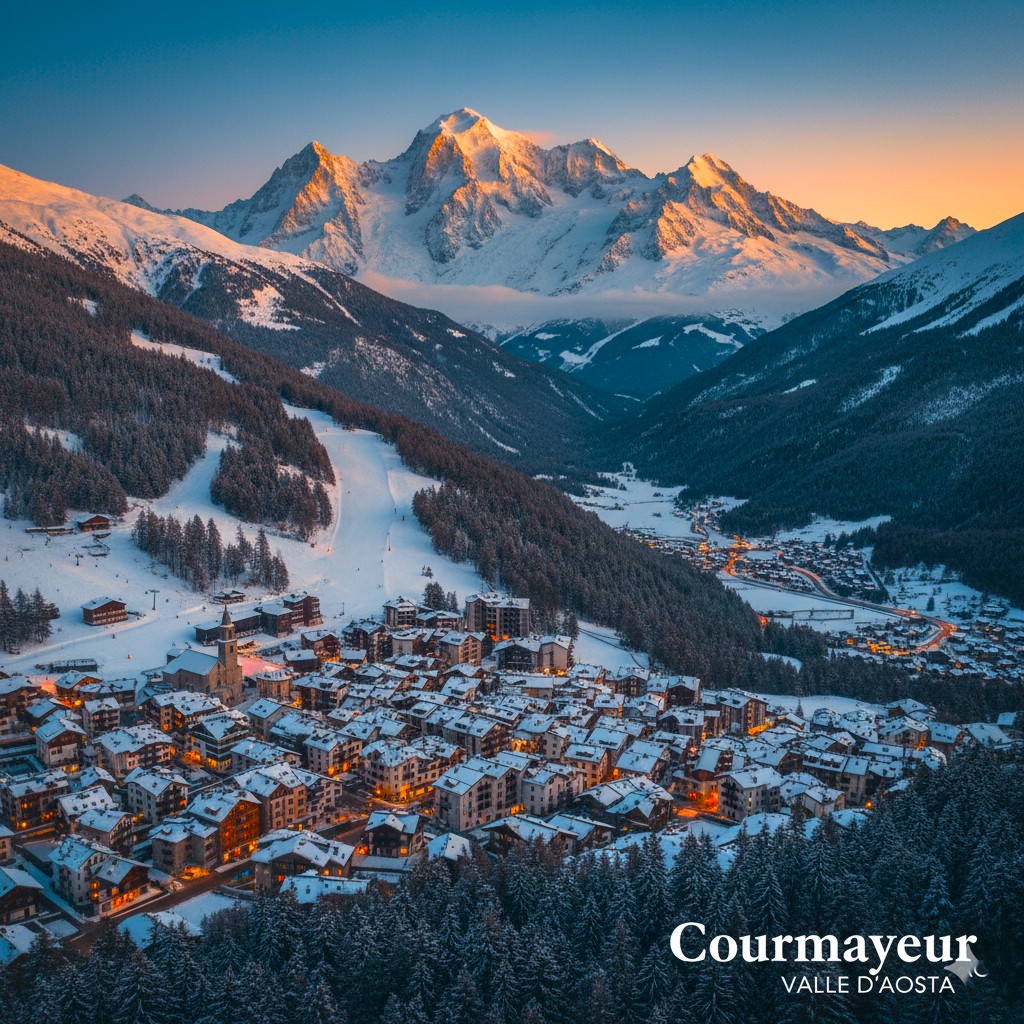
Courmayeur: A Perfect Itinerary for Your Visit
A storytelling journey through Italy’s Alpine crown jewel
Narrated by Giuseppe Baldassarri ✓
Sales & Account Manager – Destination & Export Marketing in
Italy
The Mountain’s Whisper: An Opening Metaphor
Imagine standing before a mountain—not as a tourist with a camera, but as a traveler ready to listen. The mountain doesn’t shout its secrets; it whispers them through the crunch of snow beneath your boots, the steam rising from your morning espresso, the stories etched in weathered stone facades. Each whisper is an invitation, asking not what you want to see, but who you wish to become in its presence.
Courmayeur is such a mountain. It doesn’t simply offer views—it offers transformations. Every cable car ascent becomes a meditation on perspective. Every meal shared in a mountain rifugio becomes communion with centuries of tradition. Every turn through its cobblestone streets reveals layers: the athlete finds strength, the dreamer finds wonder, and the weary soul finds peace.
To truly experience Courmayeur, you must approach it not as a checklist of attractions, but as a conversation between five senses and five dimensions of wonder. The mountain will touch your body through adventure, stir your heart through beauty, engage your mind through history, connect your spirit through culture, and transform your very sense of self through moments you’ll carry forever.
This is not just an itinerary. This is an invitation to feel, to sense, to become.
Introduction to Courmayeur
Overview of Courmayeur
Cradled in the embrace of Mont Blanc—Europe’s highest peak—Courmayeur rises from the Aosta Valley like a dream rendered in stone and snow. This is where Italy kisses the sky, where Alpine grandeur meets Mediterranean warmth, where the roar of avalanches shares space with the gentle clink of wine glasses in centuries-old osterie.
The town’s history stretches back to Roman times, when soldiers crossed the mountains seeking conquest. Today’s visitors seek something different: not to conquer, but to connect. The 2,700 residents of this mountain sanctuary have mastered the art of hospitality, preserving their Valdostano heritage while welcoming the world with open arms and steaming plates of polenta.
At 1,224 meters above sea level, Courmayeur exists in that magical altitude where breathing becomes meditation—thin enough to remind you you’re alive, rich enough to fill your lungs with the scent of pine and possibility. The town fans out beneath Mont Blanc’s south face, its Belle Époque architecture and modern mountain design creating a tapestry of old and new, tradition and innovation.
Best Time to Visit
Courmayeur wears four distinct faces throughout the year, each beautiful in its own right, each speaking to different aspects of your traveler’s soul.
Winter (December to April) transforms the town into a crystalline wonderland. This is high season, when the ski slopes hum with energy and the village glows with festive lights. The Christmas period through Epiphany offers a magical atmosphere, though you’ll share it with many others. February and March provide the best snow conditions—powder days that make your heart sing and your Instagram followers weep with envy. Expect temperatures between 5°C and 5°C, and bring layers that peel away like chapters in a story.
Spring (May to June) is the mountain’s awakening. Snow still crowns the highest peaks, but valleys bloom with wildflowers that paint the meadows in watercolor hues. This shoulder season offers fewer crowds and reasonable prices. Late May and June are perfect for those who want hiking trails without the summer crowds—though some high-altitude routes remain snow-covered. The weather plays coy, sunny one moment, showery the next, teaching you to appreciate both.
Summer (July to September) belongs to hikers and climbers, families and dreamers. The alpine pastures reach their fullest glory, dotted with grazing cows whose bells create a symphony you never knew you needed. July and August buzz with energy—perhaps too much energy for those seeking solitude. September emerges as the connoisseur’s choice: stable weather, golden light, fewer visitors, and the added bonus of harvest season in the valley below. Temperatures range from 15°C to 25°C, perfect for all-day adventures.
Autumn (October to November) sees Courmayeur catch its breath before winter. The larch trees turn to gold, creating a brief moment of fire on the mountainsides. Many facilities close for their annual riposo, but those who visit find a town at peace with itself. Early October can be spectacular; by November, you’re gambling with weather, but the odds might pay off in solitude and unexpected beauty.
Top Things to Do in Courmayeur
Outdoor Activities
Skyway Monte Bianco: Ascending to Wonder
Begin your Courmayeur journey where earth meets heaven—aboard the Skyway Monte Bianco, one of the world’s most spectacular cable car systems. This isn’t merely transportation; it’s transformation rendered in rotating pods and engineered dreams.
The journey unfolds in three acts. First, you ascend from Courmayeur (1,300m) to Pavillon du Mont Fréty (2,173m). The cabin rotates 360 degrees as you rise, and with each revolution, your perspective shifts. The town below shrinks to toy size. The valley spreads like a topographical map. The mountains crowd closer, no longer distant peaks but present companions.
At Pavillon, step out into the Giardino Botanico Alpino Saussurea—Europe’s highest botanical garden. Here, tiny flowers wage daily battles against wind and cold, their delicate petals a testament to life’s stubborn beauty. Take time on the panoramic terrace. Let your eyes adjust to the scale. You’re standing among giants now—Mont Blanc, Grandes Jorasses, Dent du Géant—each name a legend, each summit a story.
The second act carries you to Punta Helbronner (3,466m). The air thins. Your breath catches—from altitude, yes, but also from what unfolds before you. From the terrace, you can see four nations: Italy beneath your feet, France spreading west, Switzerland to the north, and on clear days, hints of Germany beyond. The Matterhorn pierces the horizon. The Gran Paradiso massif rolls away to the south. Mont Blanc towers so close you feel you could touch its icy face.
Inside the complex, visit the Crystal Hall, where the mountain’s geology tells Earth’s story in minerals and stone. Have lunch at the high-altitude restaurant—the food matters less than eating it surrounded by the roof of Europe. If you’re brave and conditions allow, cross into France via the panoramic cable car to Aiguille du Midi and down to Chamonix. This journey across the Vallée Blanche glacier offers views that remake your internal landscape.
Practical magic: The complete journey costs around €70-75. Go early morning for the clearest air and smallest crowds. Bring sunglasses—the light at altitude attacks your eyes. Layer your clothing; temperatures can be 20 degrees colder at the summit. Allow a minimum of four hours, though you could easily spend all day letting the mountains rewrite you.
Skiing and Snowboarding: Dancing with Winter
Winter in Courmayeur means over 100 kilometers of marked pistes spreading across the ski area, but the numbers tell you nothing. What matters is the feeling of carving fresh lines down slopes that gaze directly at Mont Blanc. What matters is pausing mid-run to simply breathe in the impossible beauty. What matters is the particular exhaustion that comes from pushing your body while feeding your soul.
The ski area is divided into several sectors, each with its own character. The Chécrouit area offers wide, groomed runs perfect for building confidence and rhythm. Val Veny provides a sense of wilderness, runs that feel remote despite the lifts. The Cresta d’Arp routes challenge experts with their steep pitches and technical demands.
But Courmayeur’s crown jewel belongs to the brave: the legendary Vallée Blanche. This is not skiing; this is a pilgrimage. Starting from Punta Helbronner, you traverse and descend 20 kilometers of off-piste terrain across the Géant Glacier, surrounded by some of the Alps’ most dramatic peaks. This journey requires a certified mountain guide, proper equipment, reasonable fitness, and a soul ready for transformation. It’s dangerous in the way that life is dangerous—full of crevasses and consequences, but also capable of delivering moments that justify your entire existence.
For those who prefer their thrills slightly more measured, the ski school offers lessons for all levels. Private instructors can guide you to the best snow on any given day, sharing secret spots and local knowledge accumulated over generations.
Insider wisdom: Ski passes run about €60 per day, with multi-day passes offering savings. Rent equipment in town before ascending—it’s cheaper and less hassle. The mountain weather can turn fierce; respect it. When the wind howls and visibility drops to meters, even expert terrain becomes treacherous. On such days, enjoy the town’s cafes and museums. The mountain will still be there tomorrow.
Hiking and Trekking: Walking Among Giants
When the snow retreats, Courmayeur reveals a network of trails that could occupy you for a lifetime. These aren’t just paths through pretty scenery; they’re corridors through time, through ecosystems, through states of being.
Val Ferret extends southeast from Courmayeur like a finger pointing toward meaning. The valley floor trail (suitable for all fitness levels) winds through forests and meadows, past rushing streams and beneath towering peaks. The Mont Blanc massif forms the valley’s southern wall—a barrier of rock and ice that makes you feel both insignificant and blessed. This is easy walking, 2-3 hours at a gentle pace, but don’t rush. Stop at the small rifugi for fresh ricotta. Watch marmots sun themselves on rocks. Let your mind wander as freely as your feet.
For those ready to climb, the trail to Lago del Miage offers rewards proportional to effort. You’ll gain about 600 meters over 3-4 hours, emerging at a glacial lake that reflects the Miage Glacier in its turquoise waters. The glacier itself sprawls across the valley wall—ancient ice moving with geological patience, carving Earth with frozen persistence. Sit by the lake’s edge. The silence here has weight, texture. It reminds you that peace isn’t the absence of sound but the presence of rightness.
Testa Bernarda (2,725m) via the Bertone refuge tests your legs and rewards your effort with panoramic views that redraw your mental map of beauty. The climb takes 5-6 hours round trip, gaining about 1,400 meters. You’ll pass through distinct ecological zones—forest giving way to alpine meadow, meadow surrendering to rock and snow. At the summit, you stand among peaks that form the backbone of Europe. The Gran Paradiso, Monte Rosa, Matterhorn, and, of course, Mont Blanc create a horizon that makes you understand why humans have always associated mountains with the divine.
Trail wisdom: Invest in proper boots—your ankles and knees will thank you. Carry more water than you think you need; mountain air is dry and deceptive. Weather changes rapidly at altitude; pack rain gear even if the morning sparkles. Tell someone your route and expected return time. Consider hiring a guide for your first few hikes; local knowledge transforms the experience from good to transcendent.
Climbing and Via Ferrata: Vertical Conversations
For those who hear the mountain’s call to rise, Courmayeur offers numerous via ferrata routes—iron paths bolted into cliff faces that allow non-technical climbers to experience vertical terrain safely. These aren’t for the faint of heart, but neither do they require years of training. What they require is trust: in the equipment, in your guide, in yourself.
The Val Ferret via ferrata provides an introduction to the vertical world. Secured by cable and using iron rungs, you’ll traverse cliff faces and climb rock walls with hundreds of meters of air beneath your boots. Your hands grip cold metal. Your heart pounds from exertion and exhilaration. Your mind discovers that fear and joy often occupy the same moment.
For experienced climbers, the granite walls around Courmayeur offer classic routes that have tested alpinists for generations. The Grandes Jorasses, Dent du Géant, and various routes on Mont Blanc itself attract climbers from around the world. These aren’t casual day trips; they’re serious mountaineering requiring technical skill, proper acclimatization, and deep respect for the mountain’s power.
Safety first, always: Never climb alone. Always use certified guides unless you’re genuinely experienced in alpine terrain. The mountains here are serious—they’ve claimed many lives over the decades. Respect them, prepare properly, and know your limits. There’s no shame in turning back; there’s only shame in ego-driven decisions that put yourself and rescuers at risk.
Mountain Biking: Two Wheels, Infinite Trails
Summer transforms ski slopes into single-track heaven. The lift system operates for bikers, carrying you and your bike to high-altitude starting points, then letting gravity and skill guide you down. The trails range from flowy green paths perfect for families to technical black diamonds that demand full attention and competent handling.
The Plan Chécrouit area offers the most developed bike park, with trails manicured for maximum fun. But venture into the valleys, and you’ll find rougher, wilder paths that feel like discovery. The Val Veny routes take you through pristine alpine terrain, the Val Ferret offers valley-floor cruising with spectacular views, and various high routes connect refuges and meadows in ways that make you work hard for earned descents.
Rent quality bikes in town—full suspension is worth the extra euros on these rocky alpine trails. Wear proper protective gear, including a helmet and gloves. Book a guide for your first day; they’ll match you with terrain suited to your skill level and show you trails you’d never find on your own.
Cultural and Historical Sites
Museo Alpino Duca degli Abruzzi: Where History Lives
Step into this modest museum and you step into the soul of mountain culture. The Museo Alpino doesn’t overwhelm with size or flash; it captivates through authenticity. Here, the tools and stories of mountain life span centuries—from ancient pastoral traditions to the golden age of alpinism to modern mountain sports.
Examine the equipment used by early climbers: hemp ropes that feel impossibly fragile, leather boots that seem suicidal by modern standards, ice axes hand-forged by village blacksmiths. These artifacts remind you that every convenience you take for granted—Gore-Tex, lightweight alloys, GPS—represents generations of innovation born from tragedy and triumph.
The museum chronicles the conquest of Mont Blanc and the surrounding peaks through photographs, journals, and memorabilia. You’ll see images of men in wool suits and women in long skirts standing on summit ridges. Their faces show not triumph but something more complex: exhaustion, relief, perhaps wonder at their own audacity. These weren’t weekend warriors; they were pioneers exploring unknown terrain with courage and sometimes reckless determination.
Don’t rush through. Read the stories. Let the past illuminate the present. The museum opens on summer afternoons and by appointment in winter. Admission costs just a few euros—a bargain for time travel.
Chiesa Parrocchiale San Pantaleone: Stone and Spirit
The parish church of San Pantaleone anchors Courmayeur’s historic center with Baroque solidity. Its bell tower has watched over the valley for centuries, marking time with bronze voices that echo off mountain walls. Inside, the interior glows with the particular light that filters through alpine air and colored glass—soft, reverent, timeless.
The church holds treasures: gilded altarpieces created by Valdostano craftsmen, frescoes depicting saints with mountains in their backgrounds, wooden pews worn smooth by generations of faithful. Even if you don’t share the faith that built this place, you can appreciate the devotion expressed in every carved detail, every lovingly painted scene.
Visit in late afternoon when tour groups have departed. Sit in the quiet. The church offers respite from the mountain’s physical demands—a different kind of elevation, one measured in stillness rather than meters.
Via Roma and Historic Center: Living History
Courmayeur’s main street, Via Roma, is where the town’s heart beats visibly and strong. This pedestrian thoroughfare links past and present in an unbroken conversation. Medieval stone buildings house modern boutiques. Traditional architecture frames contemporary mountain design. History doesn’t fossilize here; it adapts, evolves, and lives.
Wander the side streets that branch from Via Roma like tributaries from a river. Discover the Strada del Villair, the old road where stone houses lean close enough that neighbors could share gossip across balconies. Find the Piazza Abbé Henry, named for a local priest-alpinist who first climbed numerous surrounding peaks. Notice the architectural details: carved wooden doors, iron balconies softened by flower boxes, stone lintels bearing dates from centuries past.
The historic center isn’t large—you can walk it end-to-end in ten minutes—but resist speed. Duck into the artisan workshops where woodcarvers create traditional crafts. Browse the shops selling local products—fontina cheese aged in mountain caves, honey harvested from alpine flowers, grappa distilled according to recipes older than nations. These aren’t tourist trinkets; they’re edible and usable connections to the place.
Evening brings special magic. As shops close and restaurants open, locals emerge for the evening passeggiata. They stroll, they chat, they stop for aperitivo at cafes lining the street. Join them. Order a glass of wine from a local vineyard—yes, grapes grow in the Aosta Valley despite the altitude, producing wines as distinctive as the landscape. Watch Mont Blanc turn pink with alpenglow. Feel what it means to be in a place rather than just visiting it.
Dining in Courmayeur
Local Cuisine Highlights
Valdostano cuisine comes from a simple truth: when winter locks you in a mountain valley for months, you learn to make magic from what you have. The traditional dishes of Courmayeur’s region reflect centuries of necessity transformed into art, of making do that became making extraordinary.
Fontina cheese rules this kingdom. This semi-soft cow’s milk cheese has been produced in the Aosta Valley since the 12th century. The best fontina comes from alpine pastures, where cows graze on diverse wildflowers and herbs, imparting complexity to the milk. Aged 3-4 months in mountain caves, fontina develops a nutty, earthy flavor that makes sense of the landscape.
This cheese forms the foundation of fonduta, the Valdostano version of fondue. Unlike Swiss fondue’s wine-based preparation, fonduta relies on milk, butter, and egg yolks to create a velvety sauce that coats everything it touches with rich comfort. Traditionally served with crusty bread and boiled potatoes, fonduta is winter in a pot—warming, sustaining, communal.
Polenta appears at nearly every traditional meal, and with good reason. This humble cornmeal mush becomes transcendent when prepared well and served with proper accompaniments. Polenta concia adds fontina and butter to the mix, creating a dish that’s simultaneously peasant food and luxurious indulgence. The texture should be creamy yet substantial, the flavor rich without being heavy.
Pair polenta with carbonada, a beef stew that simmers for hours with wine, onions, and spices until the meat surrenders to fork-tenderness. The dish’s origins trace to the 1700s, developed by cooks who needed to make tough meat tender using time and patience. The long cooking melds flavors into something greater than the sum of parts—an edible lesson in transformation.
Lard d’Arnad sounds unappetizing until you taste it: pork fatback cured with herbs, salt, and time until it becomes silky, complex, and strangely delicate. Serve it in thin slices on warm bread, letting the fat melt slightly. It’s an acquired taste that rewards the acquiring—like many mountain traditions, initially challenging but ultimately revelatory.
Game meats feature prominently when in season. Chamois (a goat-antelope native to these mountains), cinghiale (wild boar), and cervo (venison) appear in stews, roasts, and pâtés. These aren’t factory-farmed meats; they’re wild animals harvested according to strict seasonal and sustainable practices. The flavors taste of the mountains themselves—clean, intense, untamed.
Vegetables adapted to short growing seasons appear throughout the menu. Potatoes, of course, but also cavolo (cabbage), both fresh and fermented, and various alpine greens foraged from meadows. Nothing is wasted; creativity fills gaps. Stale bread becomes soup-thickener or savory bread pudding. Leftover polenta gets sliced and grilled. Cheese rinds flavor broths. This is cuisine born from respect—for food, for effort, for resources.
Sweets trend is simple but satisfying. Tegole cookies—thin, curved wafers made with hazelnuts, almonds, and honey—resemble the curved roof tiles (tegole) that give them their name. Canestrelli are delicate shortbread cookies dusted with powdered sugar. Both pair perfectly with coffee or a glass of sweet wine at day’s end.
The region produces several distinctive alcoholic specialties. Génépy is an aromatic liqueur made from artemisia flowers gathered at high altitude—a bright green digestivo that tastes like mountain meadows distilled into spirits. Grappa production follows generations-old recipes, turning grape pomace into clear fire that warms your belly and brightens your eyes. The local wines—whites like Blanc de Morgex et de La Salle (grown in Europe’s highest vineyards) and reds like Torrette—reflect the territory’s unique terroir, producing wines you’ll find nowhere else on Earth.
Recommended Restaurants
Maison de Filippo: Temple of Tradition
Located in the nearby hamlet of Entrèves (a short drive or pleasant walk from central Courmayeur), Maison de Filippo isn’t merely a restaurant; it’s an experience in abundance. The formula is simple and overwhelming: pay a fixed price, then endure wave after wave of traditional Valdostano dishes until you either surrender or explode.
The meal begins with an antipasto spread that could feed a small army: cured meats, cheeses, pickled vegetables, and fresh bread. Just as you’re settling in, the primi arrive—perhaps a rich soup followed by polenta with various sauces. Then the secondi march out: roasted meats, stews, game dishes, each one appearing just as you think you’ve reached capacity. Desserts, liqueurs, coffee—the meal stretches for hours.
The setting matches the food: rustic wooden interior, long communal tables, waitstaff who treat your protests of fullness with amused indifference. This is mountain hospitality in its purest form—abundance as love language, generosity as identity. Reservations essential, especially in high season. Expect to spend €50-70 per person, and arrive very, very hungry.
La Palud Restaurant: View and Virtue
Up in the hamlet of La Palud, at the base of the Mont Blanc cable car, this restaurant offers what might be Courmayeur’s most dramatic dining view. Picture windows frame the mountain’s south face in all its glory. As you eat, you watch light and shadow play across ice and rock, watch clouds build and dissipate, watch the mountain simply be.
The menu balances traditional and contemporary, respecting regional ingredients while embracing modern techniques. The chef sources locally when possible—cheese from valley producers, meat from area farms, vegetables from high-altitude gardens. Try the venison with polenta, the truffle pasta, or any of the daily specials based on what’s fresh and inspiring.
The wine list emphasizes regional bottles, offering an opportunity to explore Valdostano production beyond the tourist standards. The sommelier knows these wines personally, can tell you about the winemaker’s philosophy and the specific vineyard’s microclimate. Let them guide you.
Pricing falls mid-range to upper-mid range—€40-60 per person for a full meal with wine. Lunch offers slightly lighter options and prices. Reserve ahead if you want a window table; the view adds 50% to the experience.
Cadran Solaire: Mountain Refinement
This cozy restaurant in Courmayeur’s center hits the sweet spot between casual and refined, traditional and creative. The name (“sundial” in French) references the building’s historical function as a meeting point where locals gathered to check the time before wristwatches became common.
Today’s gatherings focus on food that respects tradition while embracing innovation. The menu changes seasonally, featuring dishes that might combine classic preparations with unexpected twists—perhaps carbonada served over farro instead of polenta, or fontina appearing in an elegant risotto rather than rustic fonduta.
The atmosphere feels intimate without being formal. Exposed stone walls, warm lighting, and tables spaced for actual conversation. The staff treats you like a guest in their home, explaining dishes with genuine enthusiasm, making recommendations based on what you’re craving rather than what costs the most.
Expect to spend €35-50 per person. Reservations are recommended in peak season. The wine list offers a good selection at fair prices, including options by the glass that let you sample broadly without committing to full bottles.
Pierre Alexis 1877: Altitude and Appetite
Accessible via the Skyway cable car at Pavillon du Mont Fréty (2,173m), this isn’t just a restaurant—it’s a destination. The journey to reach it becomes part of the meal, the altitude lending significance to every bite.
The menu focuses on Alpine traditions executed with modern precision. Ingredients are often simpler here, chosen to shine at altitude where flavors intensify and heavy preparations feel wrong. A perfectly grilled meat, a simple risotto, fresh cheeses—each dish benefits from the setting’s magic.
But let’s be honest: you’re paying partly for the view and the altitude, and that’s fine. Watching Mont Blanc loom close enough to touch while you sip wine at 2,173 meters creates memories that outlast any single meal. The food is good; the experience is extraordinary.
Budget accordingly—€40-70 per person, depending on choices. Factor in the Skyway ticket if you’re going solely to dine. Consider booking for late lunch or early dinner when the light hits the peaks most beautifully. The restaurant is also reachable by a hiking trail for those who want to earn their meal through effort.
Rifugi and Mountain Huts: Simplicity and Soul
Scattered throughout the hiking areas, the mountain rifugis offer the most authentic dining experiences. These aren’t restaurants in the traditional sense; they’re working mountain huts that serve food to hikers and alpinists. The menus are limited, the preparation straightforward, the prices extremely reasonable.
What they lack in variety, they compensate for with authenticity. Here you’ll eat the food that actual mountain people eat—thick soups, hearty polenta, fresh cheese, and simple meats. The ingredients come from the immediate area: ricotta made that morning, salami from the valley below, and vegetables from the keeper’s garden.
The atmosphere matters as much as the food. You’ll dine alongside hikers who’ve earned their appetite, locals who know the keeper by name, and climbers planning tomorrow’s routes. Conversation flows easily at communal tables. Stories get shared. The mountain creates instant community.
Some notable rifugi accessible from Courmayeur include:
- Rifugio Elisabetta in Val Veny
- Rifugio Bertone on the trail to Testa Bernarda
- Rifugio Bonatti in Val Ferret
- Rifugio Maison Vieille on the ski slopes
Many require reservations if you want to eat at peak lunch hours (noon-2pm). Some only accept cash. All require hiking to reach—but that’s the point. You arrive sweaty, tired, genuinely hungry. Food tastes better this way. Life tastes better this way.
Where to Stay in Courmayeur
Accommodation in Courmayeur ranges from basic mountain refuges to five-star luxury, from self-catering apartments to family-run B&Bs. Your choice depends less on budget than on what kind of experience you’re seeking.
Luxury Hotels like the Grand Hotel Royal e Golf and Au Coeur des Neiges offer full-service elegance—spas, pools, gourmet restaurants, rooms where every detail reflects thoughtful design. These properties understand that après-ski and après-hike matter as much as the activities themselves. After a hard day on the mountain or slopes, returning to plush robes, skilled massage therapists, and creative cuisine feels not indulgent but earned. Expect to pay €200-500+ per night, depending on season and room type.
Mid-Range Hotels and B&Bs deliver comfort without pretense. Properties like Hotel Croux or Hotel Bouton d’Or provide clean, well-appointed rooms, good breakfasts, convenient locations, and staff who actually know the area and can offer genuine advice. These hotels feel personal—small enough that the owner might greet you by name after the first morning, yet professional enough to handle any request competently. Prices range €100-250 per night.
Mountain Refuges (rifugi) offer the most immersive experience for the appropriately adventurous. These are working mountain huts positioned along hiking routes and climbing approaches. Accommodations are basic—shared dormitory rooms, communal bathrooms, simple meals—but the experience is priceless. You wake to alpenglow hitting the peaks. You share breakfast with fellow adventurers planning their routes. You sleep deeply in the thin air, lulled by absolute mountain silence. Most rifugi charge €40-80 per person for half-board (bed, dinner, and breakfast). Book well in advance for popular spots and summer weekends.
Apartments and Chalets work well for families or groups planning extended stays. Self-catering allows you to shop local markets, prepare your own meals, establish routines. Many properties come with full kitchens, multiple bedrooms, and often washing machines—practical comforts that matter on longer visits. Prices vary enormously based on size, location, and season—€500-3000 per week covers most options.
Location Considerations: Staying in Courmayeur’s historic center puts you walking distance from restaurants, shops, and nightlife. The outlying hamlets (Entrèves, Dolonne, La Palud) offer quieter settings and often better value, but require a car or reliance on sporadic buses. Properties near the Skyway base station or ski lifts save time but sacrifice the charm of staying in the historic core.
Booking Wisdom: Reserve well in advance for Christmas/New Year, February half-term holidays, and August. Shoulder seasons (May-June, September-October) offer better availability and prices. Many properties require minimum stays (often 3-7 nights) during peak winter weeks. Confirm what’s included—breakfast, parking, spa access, tourist tax—to avoid surprise charges.
Practical Travel Tips
Getting There
Courmayeur’s relative remoteness is part of its charm, but it requires
planning. The nearest major airport is Geneva (1.5 hours by car), followed
by Turin (2 hours) and Milan (3+ hours). From these airports, you can rent a
car, book a private transfer, or use public transportation (combinations of
trains and buses, adding significant time and complexity).
If driving, the primary route comes through the Mont Blanc Tunnel from Chamonix, France (toll approximately €50-60 one way, less if you buy a return ticket). From Italy’s side, you approach through the Aosta Valley via A5 motorway. Winter requires snow tires or chains—this is mandatory, not optional, and police check. The mountain roads are generally well-maintained but can close temporarily during heavy snow or avalanche risk.
Getting Around
The town center is compact and pedestrian-friendly; you’ll walk most places.
For reaching outlying hamlets, trailheads, or ski areas, options include:
- Local buses (irregular schedules, especially off-season)
- Hotel shuttles (many properties offer free or cheap transport to ski lifts)
- Taxis (available but not numerous; book ahead)
- Rental car (provides maximum flexibility but parking can be challenging in peak season)
Language
Italian dominates, though you’ll hear French (the Aosta Valley is officially
bilingual), and English is common in tourist-facing businesses. Learning
basic Italian phrases shows respect and opens doors. Most young people speak
at least some English; older locals may not. A translation app helps.
Currency and Costs
Euro only. Credit cards are widely accepted, but carry cash for rifugi,
small shops, parking meters, and tipping. Courmayeur is expensive by Italian
standards—expect prices similar to major ski resorts worldwide. Budget
€100-150 per person per day for modest comfort (excluding accommodation),
more for luxury or extensive activities.
What to Pack
- Winter: Serious cold-weather gear including layers, insulated jacket, gloves, hat, scarf, thermal underwear, proper snow boots. Ski equipment can be rented, often better than bringing your own.
- Summer: Layers remain key—warm in the valleys, cold at altitude. Good hiking boots essential. Rain jacket crucial (afternoon thunderstorms are common). Sun protection (hat, sunglasses, high-SPF sunscreen) critical at altitude.
- Year-round: Headlamp or flashlight, refillable water bottle, small backpack for day trips, basic first aid kit, any prescription medications (pharmacies exist but might not have specific brands).
Health and Safety
The mountains aren’t Disneyland. They demand respect:
- Altitude affects everyone differently. Stay hydrated, take it easy your first day or two.
- Weather changes rapidly. Check forecasts, heed warnings, turn back if conditions deteriorate.
- Don’t hike or ski alone, especially off marked trails.
- Tell someone your plans and expected return time.
- Carry charged phone, though signal can be spotty in remote areas.
- European emergency number: 112 (works even without signal in some cases)
- Mountain rescue exists but costs money and puts rescuers at risk. Don’t become a statistic through poor judgment.
Cultural Respect
Courmayeur is a working town, not a theme park. Treat it accordingly.
- Explore Courmayeur: A Perfect Itinerary for Your Visit
- Introduction to Courmayeur
- Overview of Courmayeur
- Best Time to Visit
- Top Things to Do in Courmayeur
- Outdoor Activities
- Cultural and Historical Sites
- Dining in Courmayeur
- Local Cuisine Highlights
- Recommended Restaurants
- Where to Stay in Courmayeur
- Practical Travel Tips
- Conclusion
Things to Do: Courmayeur – A Perfect Itinerary.
Things to do in Italy 5-days › 6-days › 7-days › 8-days › 9-days › 10-days › 12-days › 14-days › 21-days › 30-days › › January › › February › › March › › April › › May › › June › › July › › August › › September › › October › › November › › December › › Italy: A Perfect Itinerary ›
Top Destinations in Italy: A Comprehensive Guide
By Giuseppe Baldassarri ✓ Sales & Account Manager – Destination
& Export Marketing in Italy
Italy’s Best Things to Do – Discover Italy’s Essence
Introduction to Italy’s Rich Heritage
There is something about Italy that doesn’t just speak to the eye—it speaks to the soul. It invites travelers not only to witness its history but to feel it. The cobblestone alleys whisper stories, and each piazza seems to resonate with the emotional rhythm of those who pass through. Understanding Italy is not merely about facts; it’s about connection. It’s about being present, open, and receptive to the beauty around you.
Rome: The Eternal City – A Perfect Itinerary Guide.
Things to do in Rome: The Eternal City: A Perfect Itinerary.
Venice: The City of Canals – A Perfect Itinerary for Your Visit.
Things to do in Venice: The City of Canals. A Perfect Itinerary.
Florence: The Birthplace of the Renaissance Era.
Things to do in Florence: The Birthplace of the Renaissance: A Perfect Itinerary.
Milan: The Fashion Capital – Perfect Itinerary for Every Traveler.
Things to Do in Milan: The Fashion Capital – A Perfect Itinerary.
Naples: Your Ultimate Gateway to the Amalfi Coast Itinerary.
Things to do in Naples: The Gateway to the Amalfi Coast. A Perfect Itinerary.
Breathtaking Landscapes and Natural Wonders
Discover the Amalfi Coast: A Coastal Paradise Awaits.
Things to do in The Amalfi Coast: A Coastal Paradise. A Perfect Itinerary.
Tuscany: Rolling Hills and Vineyards Itinerary Guide.
Things to do in Tuscany: Rolling Hills and Vineyards. A Perfect Itinerary.
Cultural Experiences and Historical Sites
The Colosseum and Roman Forum: A Perfect Itinerary for Your Visit.
Things to do in The Colosseum and the Roman Forum. A Perfect Itinerary.
Exploring the Vatican City: A Perfect Itinerary Guide.
Things to Do in Vatican City: Home of the Pope. A Perfect Itinerary.
Exploring the Culinary Delights of Italy: A Flavorful Journey.
Things to do in Culinary Delights in Italy: A Perfect Itinerary.
Conclusion: Why Italy Should Be on Your Travel List
Italy is not simply a destination; it’s a mirror. It reflects what we bring to it—our curiosity, our longing for meaning, our desire to connect. In every landscape, dish, and dialogue, Italy offers moments that awaken our senses and deepen our awareness. To journey here is to journey inward, where discovery is not just about place but about self.
Please don’t hesitate to contact me if you require additional assistance with this.
Giuseppe Baldassarri ✓ Sales & Account Manager – Destination & Export Marketing in Italy
For information on destination marketing, experiential itineraries, or collaborations in promoting the authentic treasures of Italy, I
invite you to connect. Let’s continue the conversation about what makes
Italy not just a place to visit, but a way of seeing.
- Italy: A Perfect Itinerary for Your Dream Trip
- Introduction to Italy
- Planning Your Ideal Itinerary
- Choosing the Right Cities
- Deciding on Duration and Pace
- Must-Visit Destinations in Italy
- Rome: The Eternal City
- Florence: The Heart of the Renaissance
- Venice: The City of Canals
- Cultural Experiences and Local Cuisine
- Italian Cuisine: A Must-Try
- Cultural Events and Festivals
- Travel Tips for Your Italian Adventure
Things to Do: Italy – A Perfect Itinerary.
Discover Italy’s Soul: Must-See Hidden Landscapes and Lifestyle
Explore unique activities and hidden landscapes in Italy that reveal the true essence of the Italian lifestyle.
- Discover Abruzzo: The Perfect Itinerary for Your Visit
- Introduction to Abruzzo
- Day 1: Exploring L’Aquila
- Historical Sites in L’Aquila
- Culinary Delights of L’Aquila
- Day 2: The Gran Sasso National Park
- Hiking Trails and Outdoor Activities
- Flora and Fauna of Gran Sasso
- Day 3: Coastal Charm in Pescara
- Beaches and Water Sports
- Nightlife and Local Culture
- Day 4: Discovering Charming Towns
- Visit to Sulmona
- Exploring Scanno
- Conclusion: Your Perfect Abruzzo Getaway
Things to Do: Abruzzo: A Perfect Itinerary.
- Adamello: A Perfect Itinerary for Unforgettable Adventures
- Introduction to Adamello
- Planning Your Trip to Adamello
- Best Time to Visit
- Getting There
- Day 1: Exploring the Northern Trails
- Morning: Hike to Lake Pian di Neve
- Afternoon: Visit to Malga di Viso
- Day 2: Adventure and Relaxation
- Morning: Rock Climbing Experience
- Afternoon: Relax at Terme di Boario
- Day 3: Cultural Exploration
- Morning: Visit to Castello di Saviore
- Afternoon: Discover Local Cuisine
- Day 4: Outdoor Activities
- All-Day Trekking Adventure
- Tips for a Great Experience
- Conclusion
Things to Do: Adamello: A Perfect Itinerary.
- Agrigento Itinerary: Discover the Perfect Travel Plan
- Introduction to Agrigento
- Must-See Attractions in Agrigento
- Valley of the Temples
- Scala dei Turchi
- Cultural Experiences in Agrigento
- Museums and Art Galleries
- Local Festivals
- Sicilian Cuisine: Where to Eat in Agrigento
- Outdoor Activities Around Agrigento
- Hiking Trails
- Beaches and Water Sports
- Practical Travel Tips for Visiting Agrigento
- Sample Itinerary for a Day in Agrigento
Things to Do: Agrigento: A Perfect Itinerary.
- Alpe Cimbra: A Perfect Itinerary for Adventure Seekers
- Introduction to Alpe Cimbra
- How to Get to Alpe Cimbra
- Best Time to Visit Alpe Cimbra
- Day 1: Exploring Nature and Outdoor Activities
- Morning: Hiking Trails of Alpe Cimbra
- Afternoon: Enjoying Local Cuisine
- Day 2: Cultural and Historical Experiences
- Morning: Visiting Historical Sites
- Afternoon: Cultural Workshops and Events
- Day 3: Adventure Sports and Relaxation
- Morning: Thrilling Adventure Sports
- Afternoon: Relaxing at Local Spas
- Conclusion: Your Memorable Stay in Alpe Cimbra
Things to Do: Alpe Cimbra: A Perfect Itinerary.
- Alpe di Siusi: A Perfect Itinerary for Adventure
- Introduction to Alpe di Siusi
- Planning Your Trip: Best Times to Visit
- Getting There: Transportation Options
- Day 1: Exploring the Meadows
- Morning: Scenic Hikes and Trails
- Afternoon: Local Cuisine Experiences
- Day 2: Adventure Activities
- Morning: Hiking and Nature Walks
- Afternoon: Cycling and Sports
- Where to Stay: Accommodations in Alpe di Siusi
- Conclusion: Why Alpe di Siusi is a Must-Visit
Things to Do: Alpe di Siusi: A Perfect Itinerary.
- Explore Alpi Giulie: A Perfect Itinerary in Italy
- Introduction to Alpi Giulie
- Getting There: Transportation Options
- By Car: The Scenic Route
- Public Transport: Trains and Buses
- Day 1: Discovering Tarvisio and Nearby Attractions
- Exploring Tarvisio Town
- Visiting the Fortress of Fenestrelle
- Nature Walks and Hiking Trails
- Day 2: Adventure in the Julian Alps
- Hiking Trails: The Best Routes
- Activities: Skiing and Snowboarding
- Day 3: Cultural Experiences in Slovenia
- Visiting Lake Bled
- Exploring Kranjska Gora
- Day 4: Relaxation in Nature
- Wellness Retreats and Hotels
- Spa Centers and Treatments
- Day 5: Local Cuisine and Gastronomy
- Traditional Dishes to Try
- Local Markets and Restaurants
- Preparing for Your Trip: Tips and Recommendations
- When to Visit Alpi Giulie
- Essential Packing List
Things to Do: Alpi Giulie: A Perfect Itinerary.
- Explore Alta Badia: A Perfect Itinerary for Your Trip
- Introduction to Alta Badia
- Day 1: Arrival and Local Exploration
- Settling Into Your Accommodation
- Exploring Corvara
- Day 2: Outdoor Adventures
- Hiking Trails in Alta Badia
- Mountain Biking Opportunities
- Day 3: Cultural Experiences
- Visiting Local Museums
- Traditional Ladin Cuisine
- Day 4: Relaxation and Leisure
- Spa Treatments and Wellness
- Exploring Local Shops and Cafés
- Day 5: Departure and Final Reflections
Things to Do: Alta Badia: A Perfect Itinerary.
- Explore Alta Pusteria: Your Perfect Travel Itinerary
- Introduction to Alta Pusteria
- Top Attractions to Visit
- Natural Wonders
- Cultural Landmarks
- Activities and Adventures
- Outdoor Sports
- Wellness and Relaxation
- Sample Itinerary for a Day
- Conclusion
Things to Do: Alta Pusteria: A Perfect Itinerary.
- Explore Alta Valtellina: A Perfect Itinerary Guide
- Introduction to Alta Valtellina
- Day 1: Exploring Livigno
- Morning Activities in Livigno
- Afternoon Excursions in Livigno
- Dining Options in Livigno
- Day 2: Bormio and Its Natural Wonders
- Morning in the Bormio Spa
- Afternoon Adventures in Bormio
- Local Cuisine in Bormio
- Day 3: Cultural Exploration in Sondrio
- Historical Sites and Museums
- Wine Tasting Experiences
- Tips for Traveling in Alta Valtellina
- Conclusion: Your Adventure Awaits
Things to Do: Alta Valtellina: A Perfect Itinerary.
- Alto Garda e Ledro: A Perfect Itinerary for Your Adventure
- Introduction to Alto Garda e Ledro
- Overview of Lake Garda
- Exploring Ledro Valley
- Best Time to Visit Alto Garda and Ledro
- Recommended Itinerary for Alto Garda e Ledro
- Day 1: Arrival and Initial Exploration
- Day 2: Outdoor Adventures in the Area
- Day 3: Cultural Insights and Relaxation
- Activities and Attractions in Alto Garda e Ledro
- Outdoor Activities – Fun and Adventure
- Cultural Experiences – Local Heritage Sites
- Local Cuisine and Dining Options
- Tips for Traveling in Alto Garda e Ledro
Things to Do: Alto Garda e Ledro: A Perfect Itinerary.
- Altopiano della Paganella: A Perfect Itinerary Guide
- Introduction to Altopiano della Paganella
- Overview of the Altopiano
- Why Visit Altopiano della Paganella?
- Planning Your Trip
- Best Time to Visit
- How to Get There
- Top Attractions and Activities
- Outdoor Activities
- Hiking Trails
- Skiing and Snowboarding Options
- Cultural and Historical Highlights
- Local Traditions and Festivals
- Historical Sites and Museums
- Suggested Itinerary
- Day 1: Arrival and Exploration
- Day 2: Adventure Activities
- Where to Stay
- Best Hotels and Lodging Options
- Camping and Outdoor Lodging
- Conclusion
Things to Do: Altopiano della Paganella: A Perfect Itinerary.
- Amalfi Coast: A Perfect Itinerary for Your Trip
- Introduction to the Amalfi Coast
- Overview of the Amalfi Coast
- The Best Time to Visit
- Planning Your Itinerary
- How Long Should You Stay?
- Getting Around the Amalfi Coast
- Day 1: Exploring Positano
- Morning: Beaches and Shopping
- Afternoon: Scenic Views and Dining
- Day 2: Discovering Amalfi and Ravello
- Morning in Amalfi: Culture and History
- Afternoon in Ravello: Gardens and Music
- Day 3: Day Trip to Capri
- Morning Ferry Ride to Capri
- Exploring Capri: Landmarks and Local Cuisine
- Day 4: Sorrento and Lemons
- Morning Stroll in Sorrento
- Afternoon: Limoncello Tasting Experience
- What to Eat on the Amalfi Coast
- Local Dishes and Delicacies
- Conclusion: Making the Most of Your Amalfi Coast Trip
Things to Do: Amalfi Coast: A Perfect Itinerary.
- Arabba Marmolada Itinerary: Your Perfect Adventure
- Introduction to Arabba Marmolada
- Day 1: Arrival and Exploring Arabba
- Setting Your Base in Arabba
- Local Attractions and Activities
- Day 2: Adventure on Marmolada
- Skiing and Snowboarding in Marmolada
- Exploring the Marmolada Glacier
- Day 3: Hiking and Culture in Arabba
- Hiking Trails Around Arabba
- Cultural Experiences in Arabba
- Dining and Accommodation Recommendations
- Where to Eat in Arabba
- Best Places to Stay
- Final Tips for Your Arabba Marmolada Trip
Things to Do: Arabba Marmolada: A Perfect Itinerary.
- Arcipelago Toscano: A Perfect Itinerary for Exploration
- Introduction to Arcipelago Toscano
- Overview of the Archipelago
- Best Time to Visit
- Island Hopping: Key Islands to Explore
- Elba Island
- Capraia Island
- Giglio Island
- Activities and Attractions
- Beaches and Water Sports
- Hiking and Nature Walks
- Culinary Delights of the Archipelago
- Local Dishes and Specialties
- Wine Tasting Experiences
- Sample Itinerary
- Travel Tips for the Tuscany Archipelago
- Conclusion
Things to Do: Arcipelago Toscano: A Perfect Itinerary.
- Argentario: A Perfect Itinerary for Your Visit
- Introduction to Argentario
- Day 1: Exploring Porto Santo Stefano
- Visit the Historic Center
- Enjoy Local Cuisine by the Harbor
- Day 2: Discovering Porto Ercole
- Explore the Fortifications
- Relaxing at the Beaches
- Day 3: Trekking and Nature at the Orbetello Lagoon
- The Nature Reserve
- Birdwatching Opportunities
- Cultural Insights and Local Events
- Conclusion and Final Tips
Things to Do: Argentario: A Perfect Itinerary.
- Discover Aspromonte: A Perfect Itinerary for Travelers
- Introduction to Aspromonte
- Getting to Aspromonte
- Day 1: Explore the Natural Wonders
- Hiking Routes and Trails
- Connecting with Nature
- Day 2: Immerse in Culture and History
- Visiting Historical Sites
- Local Festivals and Traditions
- Day 3: Savor the Local Cuisine
- Day 4: Outdoor Adventures Beyond Hiking
- Biking and Horse Riding
- Water Activities
- Final Thoughts and Tips for Travelers
Things to Do: Aspromonte: A Perfect Itinerary.
- Explore Barbagia Sardinia: The Perfect Travel Itinerary
- Introduction to Barbagia, Sardinia
- Overview of Barbagia
- Why Visit Barbagia?
- Getting to Barbagia
- Top Attractions in Barbagia
- Natural Wonders and Scenery
- Cultural Sites and Historical Landmarks
- Local Cuisine: What to Eat in Barbagia
- Traditional Dishes to Try
- Where to Eat: Top Restaurants and Eateries
- Suggested Itinerary for a Barbagia Trip
- Day 1: Arrival and Initial Exploration
- Day 2: Adventure and Culture
- Day 3: Relaxation and Farewell
- Tips for Traveling in Barbagia
- Conclusion
Things to do: Barbagia Sardinia: A Perfect Itinerary.
- Basilicata: A Perfect Itinerary for Your Trip
- Introduction to Basilicata
- Overview of Basilicata
- Why Visit Basilicata?
- Getting There and Around
- Transportation Options
- Best Time to Visit
- Day-by-Day Itinerary
- Day 1: Matera
- Day 2: Castelmezzano and Pietrapertosa
- Day 3: Maratea
- Culinary Delights of Basilicata
- Cultural Tips and Local Customs
- Understanding Local Etiquette
- Conclusion
Things to do: Basilicata: A Perfect Itinerary.
- Bologna: A Perfect Itinerary for Your Visit
- Introduction to Bologna
- Overview of Bologna’s Rich History
- What Makes Bologna Unique
- Day 1: Discovering the Heart of Bologna
- Morning: Piazza Maggiore
- Afternoon: Lunch and Explore the Quadrilatero
- Evening: Local Dining Options
- Day 2: Cultural and Historical Sites
- Morning: Visit the University of Bologna
- Afternoon: Climb the Asinelli Tower
- Evening: Dinner at a Traditional Osteria
- Day 3: Art and Culinary Delights
- Morning: Pinacoteca Nazionale di Bologna
- Afternoon: Cook Your Own Pasta Class
- Evening: Wine Tasting Experience
- Travel Tips for Bologna
- Conclusion
Things to Do: Bologna – A Perfect Itinerary.
- Bolzano: Your Perfect Itinerary for Exploring the City
- Introduction to Bolzano
- Getting to Bolzano
- Day 1: Exploring the City Center
- Morning: Piazza Walther and Historical Sites
- Afternoon: Museums and Cultural Highlights
- Day 2: Nature and Surroundings
- Morning: Renon Plateau Excursion
- Afternoon: Visit to Ötzi’s Museum
- Day 3: Culinary Delights and Local Markets
- Morning: Local Food Markets
- Afternoon: Traditional South Tyrolean Cuisine
- Tips for Visiting Bolzano
- Conclusion
Things to Do: Bolzano – A Perfect Itinerary.
- Borgo Virgilio: A Perfect Itinerary for Your Visit
- Introduction to Borgo Virgilio
- Top Attractions in Borgo Virgilio
- Historical Landmarks
- Natural Attractions and Parks
- Cultural Experiences in Borgo Virgilio
- Local Festivals and Events
- Art and Music Scene
- Culinary Delights: Eating in Borgo Virgilio
- Local Restaurants and Eateries
- Traditional Dishes You Must Try
- Recommended Itinerary for a Day in Borgo Virgilio
- Morning Activities
- Afternoon Excursions
- Practical Tips for Visiting Borgo Virgilio
- Getting There: Transportation Options
- Accommodation Choices and Recommendations
Things to do: Borgo Virgilio: A Perfect Itinerary.
- Brenner: A Perfect Itinerary for Your Journey
- Introduction to Brenner
- Day 1: Exploring the Beauty of Brenner
- Morning Activities: Scenic Hikes
- Afternoon Delights: Local Cuisine
- Day 2: Cultural and Historical Experience
- Morning Visits: Historical Landmarks
- Afternoon Excursion: Museums and Art
- Day 3: Adventure and Leisure Activities
- Outdoor Adventures: Hiking and Biking
- Relaxation: Wellness and Spa Options
- Travel Tips for Visiting Brenner
- Conclusion: Your Perfect Brenner Itinerary
Things to Do: Brenner – A Perfect Itinerary.
- Discover Burgraviato: A Perfect Itinerary for Your Trip
- Introduction to Burgraviato
- Top Attractions in Burgraviato
- Visit the Historic Castle
- Explore Local Museums
- Admire the Stunning Landscapes
- Outdoor Activities in Burgraviato
- Hiking and Nature Walks
- Water Sports and Recreation
- Culinary Delights of Burgraviato
- Traditional Dishes to Try
- Popular Restaurants and Cafés
- Cultural Experiences in Burgraviato
- Festivals and Local Events
- Art and Music Scene
- Day Trips from Burgraviato
- Conclusion
Things to Do: Burgraviato – A Perfect Itinerary.
- Explore Cadore: A Perfect Itinerary for Your Trip
- Introduction to Cadore
- A Glimpse of Cadore’s History
- Geographical Significance of Cadore
- Planning Your Trip to Cadore
- Best Time to Visit
- How to Get There
- Top Attractions in Cadore
- Lago di Misurina
- Cortina d’Ampezzo
- Other Local Gems
- Activities for Every Traveler in Cadore
- Hiking and Outdoor Adventures
- Cultural Experiences
- Local Cuisine and Dining in Cadore
- Traditional Dishes to Try
- Best Places to Eat
- Tips for Your Visit to Cadore
- Conclusion
Things to do: Cadore: A Perfect Itinerary.
- Discover Calabria: A Perfect Itinerary for Travelers
- Introduction to Calabria
- Geography and Climate
- Historical Background
- Day 1: Arriving in Calabria
- Getting to Calabria
- Accommodations
- Day 2: Exploring the Coast
- Visit Tropea
- Relaxing at the Beaches
- Day 3: Culture and History
- Visiting Reggio Calabria
- Exploring Gerace
- Day 4: Nature and Adventure
- Hiking in Aspromonte National Park
- Water Sports at Capo Vaticano
- Day 5: Culinary Delights
- Traditional Calabria Cuisine
- Wine Tasting Experiences
- Day 6: Discovering Local Festivals
- Summer Festivals in Calabria
- Cultural Events Throughout the Year
- Conclusion: Why Choose Calabria
Things to Do: Calabria – A Perfect Itinerary.
- Campania: A Perfect Itinerary for Your Travels
- Introduction to Campania
- Best Time to Visit Campania
- Day 1: Exploring Naples
- Morning: Historical Sites
- Afternoon: Culinary Delights
- Evening: Nightlife and Culture
- Day 2: The Amalfi Coast
- Morning: Scenic Drive
- Afternoon: Towns of Positano and Amalfi
- Evening: Sunset Views
- Day 3: Pompeii and Mount Vesuvius
- Morning: The Ruins of Pompeii
- Afternoon: Hiking Mount Vesuvius
- Evening: Relaxation in a Local Restaurant
- Day 4: Caserta and Beyond
- Morning: The Royal Palace of Caserta
- Afternoon: Exploring Caserta’s Gardens
- Evening: Traditional Campanian Fare
- Conclusion and Travel Tips
Things to Do: Campania – A Perfect Itinerary.
- A Perfect Capri Itinerary for Your Dream Vacation
- Introduction to Capri
- Day 1: Arrival and Exploring Capri Town
- Getting to Capri
- First Impressions of Capri Town
- Day 2: Discovering Anacapri
- Villa San Michele: A Historical Gem
- Monte Solaro: The Highest Point on Capri
- Day 3: Beaches and Grottos
- Visiting the Blue Grotto
- Top Beaches to Relax and Unwind
- Day 4: Culture and Shopping
- Capri’s Local Markets and Artisans
- Dining Experiences to Remember
- Conclusion: Making the Most of Your Capri Experience
Things to Do: Capri – A Perfect Itinerary.
- Discovering Campo Carlo Magno in Trentino-Alto Adige
- Introduction to Campo Carlo Magno
- Geographical Overview
- Historical Significance
- Outdoor Activities and Attractions
- Hiking and Trekking
- Winter Sports
- Cultural Insights
- Gastronomy in Campo Carlo Magno
- Accommodation Options
- Getting There and Around
- Why Visit Campo Carlo Magno
Things to do: Campo Carlo Magno, Trentino-Alto Adige: A Perfect Itinerary.
- Things to Do on Capraia Island: A Perfect Itinerary
- Introduction to Capraia Island
- Day 1: Exploring the Stunning Beaches
- Beach Hopping: The Best Spots on Capraia
- Dining by the Beach: Local Seafood Delights
- Day 2: Hiking and Nature Exploration
- Top Hiking Trails on Capraia Island
- Wildlife Watching: Flora and Fauna Unique to Capraia
- Day 3: Cultural and Historical Highlights
- Visiting the Historic Fortress of Capraia
- Local Art and Culture: Museums and Galleries
- Day 4: Culinary Adventures and Local Markets
- Sampling Local Wines and Olive Oils
- Exploring Capraia’s Local Markets: A Taste of Tradition
- Conclusion: Why Capraia Island is a Must-Visit
Things to Do: Capraia Island – A Perfect Itinerary.
- Discover Carnia in Friuli: A Perfect Itinerary Guide
- Introduction to Carnia
- Planning Your Itinerary
- Best Time to Visit Carnia
- Getting There and Around
- Must-See Attractions in Carnia
- Natural Wonders and Landscapes
- Cultural and Historical Sites
- Outdoor Activities and Adventures
- Hiking and Trekking Opportunities
- Winter Sports and Skiing
- Local Cuisine and Dining Options
- Tips for Traveling in Carnia
- Cultural Etiquette
- Safety and Health Considerations
- Conclusion and Final Thoughts
Things to do: Carnia in Friuli: A Perfect Itinerary.
- Castelli Romani: A Perfect Itinerary for Exploration
- Introduction to Castelli Romani
- Top Attractions in Castelli Romani
- Frascati: A Historical Gem
- Lake Albano: A Natural Wonder
- Nemi: The Berry Town
- Culinary Delights of Castelli Romani
- Local Wines and Vineyards
- Traditional Dishes to Try
- How to Get to Castelli Romani
- Sample Itinerary for a Day Trip
- Morning: Visit Frascati
- Afternoon: Explore Lake Albano
- Tips for a Great Visit
Things to do: Castelli Romani Itinerary.
- Cavagrande del Cassibile, Sicilia: A Perfect Itinerary
- Introduction to Cavagrande del Cassibile
- Planning Your Visit
- Best Time to Visit
- How to Get There
- Recommended Itinerary for a Day Trip
- Start of the Hike
- Exploring the Canyon
- Activities and Sights to See
- Hiking Trails
- Wildlife and Nature
- Safety and Preparation Tips
- Conclusion
Things to do: Cavagrande del Cassibile, Sicily: A Perfect Itinerary.
- Exploring Cavalese: A Hidden Gem in Trentino-Alto Adige
- Introduction to Cavalese
- History and Culture of Cavalese
- The Historical Background
- Local Traditions and Festivals
- Natural Attractions and Landscapes
- The Surrounding Mountains
- Parks and Natural Reserves
- Activities and Adventures in Cavalese
- Winter Sports and Skiing Opportunities
- Summer Activities: Hiking and Biking
- Accommodation Options in Cavalese
- Hotels and Resorts
- Vacation Rentals and Apartments
- Gastronomy and Local Cuisine
- Traditional Dishes of the Region
- Where to Dine in Cavalese
- Conclusion: Why Visit Cavalese
Things to do: Cavalese, Trentino-Alto Adige: A Perfect Itinerary.
- Champoluc Valle d’Aosta: Your Perfect Itinerary Guide
- Introduction to Champoluc and Valle d’Aosta
- Best Time to Visit Champoluc
- How to Get to Champoluc
- By Car
- By Public Transport
- Key Attractions in Champoluc
- Skiing and Snowboarding
- Hiking Trails and Nature Walks
- Sample Itinerary for Your Trip
- Day 1: Arrival and Exploration
- Day 2: Outdoor Adventures
- Culinary Delights in Champoluc
- Where to Stay in Champoluc
- Conclusion
Things to do: Champoluc Valle d’Aosta: A Perfect Itinerary.
- Chianti: A Perfect Itinerary for Your Italian Adventure
- Introduction to Chianti
- Top Attractions in Chianti
- Castles and Historic Sites
- Charming Villages to Visit
- Wine Tasting in Chianti
- Best Vineyards to Explore
- Wine Tours and Experiences
- Culinary Delights of Chianti
- Traditional Chianti Dishes
- Dining Recommendations
- Outdoor Activities in Chianti
- Hiking Trails and Scenic Routes
- Cycling through the Landscape
- Planning Your Chianti Itinerary
- Best Times to Visit Chianti
- Sample Itinerary for a Weekend in Chianti
- Conclusion: Embrace the Beauty of Chianti
Things to Do: Chianti – A Perfect Itinerary.
- Cilento: Your Perfect Itinerary for Exploring the Coast
- Introduction to Cilento
- Overview of Cilento
- Historical Significance
- Planning Your Trip
- Best Time to Visit
- How to Get There
- Day 1: Exploring Coastal Towns
- Visit to Acciaroli
- Exploring Castellabate
- Day 2: Nature and Adventure
- Hiking in Cilento National Park
- Beach Activities at Palinuro
- Day 3: Cultural Discoveries
- Visit to the Ancient City of Velia
- Local Culinary Experiences
- Day 4: Relaxation and Reflection
- Wellness Retreats in Cilento
- Evening at the Beach
- Final Thoughts on Your Cilento Journey
Things to Do: Cilento – A Perfect Itinerary.
- Explore the Cilento Coast: A Perfect Itinerary
- Introduction to the Cilento Coast
- Planning Your Trip to Cilento
- Best Time to Visit
- Travel Arrangements
- Must-See Destinations along the Coast
- Palinuro
- Castellabate
- Acciaroli
- Outdoor Activities and Adventures
- Hiking in Cilento National Park
- Water Sports
- Cilento Cuisine: What to Eat
- Local Specialties
- Dining Recommendations
- Cultural Highlights in Cilento
- Conclusion: Your Perfect Cilento Itinerary
Things to Do: Cilento Coast – A Perfect Itinerary.
- Exploring Cimone: Passo del Lupo, Lago della Ninfa, Cimoncino, and More
- Introduction to Cimone and the Surrounding Area
- Passo del Lupo: The Gateway to Adventure
- Getting to Passo del Lupo
- Activities and Attractions
- Lago della Ninfa: A Hidden Gem
- Accessing Lago della Ninfa
- Why Visit Lago della Ninfa
- Cimoncino: Skiing and Outdoor Activities
- Winter Sports in Cimoncino
- Summer Activities
- Le Polle: An Ecological Paradise
- Flora and Fauna of Le Polle
- Visiting Tips for Nature Enthusiasts
- Montecreto: Culture and Cuisine
- Cultural Experiences in Montecreto
- Local Cuisine to Try
- Conclusion: An Invitation to Explore Cimone
Things to do: Exploring Cimone: Passo del Lupo, Lago della Ninfa, Cimoncino, and More: A Perfect Itinerary .
- Cinque Terre: A Perfect Itinerary for Your Journey
- Introduction to Cinque Terre
- Planning Your Itinerary
- Choosing the Best Time to Visit
- How Many Days to Spend in Cinque Terre
- Exploring the Five Villages
- Riomaggiore
- Manarola
- Corniglia
- Vernazza
- Monterosso al Mare
- Activities and Experiences
- Hiking Trails
- Cultural Experiences
- Cuisine and Dining
- Local Dishes to Try
- Best Restaurants in Cinque Terre
- Tips for Traveling in Cinque Terre
- Conclusion
Things to Do: Cinque Terre – A Perfect Itinerary.
- Discover Ciociaria: A Perfect Itinerary for Your Trip
- Introduction to Ciociaria
- What is Ciociaria?
- The Rich Cultural Heritage of Ciociaria
- Best Time to Visit Ciociaria
- Essential Itinerary for a Trip to Ciociaria
- Day 1: Exploring the Historic Towns
- Day 2: Nature and Adventure
- Top Attractions in Ciociaria
- Local Cuisine: A Taste of Ciociaria
- Tips for Traveling in Ciociaria
- Conclusion: Your Ciociaria Adventure Awaits
Things to Do: Ciociaria – A Perfect Itinerary.
- Exploring Parco Nazionale del Circeo: A Perfect Itinerary
- Introduction to Parco Nazionale del Circeo
- Location and Significance
- Unique Features of the Park
- Best Time to Visit
- Itinerary Overview
- Day 1: Arrival and Initial Exploration
- Day 2: Hiking and Nature Activities
- Key Attractions Within the Park
- The Coastal Area
- The Forest Trails
- Wildlife Spotting in Parco Nazionale del Circeo
- Tips for Visiting
- Accommodation Options
- Camping and Hostels
- Hotels and Resorts
- Conclusion: Your Journey Awaits
Things to do: Parco Nazionale del Circeo: A Perfect Itinerary.
- Top Things to Do in Monte Civetta Dolomiti: Your Perfect Itinerary
- Introduction to Monte Civetta
- Planning Your Trip: When to Visit and How to Get There
- Best Time to Visit Monte Civetta
- Transportation Options to Monte Civetta
- Top Outdoor Activities in Monte Civetta
- Hiking Trails Around Monte Civetta
- Winter Sports: Skiing and Snowboarding
- Cultural Experiences in Monte Civetta
- Local Cuisine and Traditional Restaurants
- Visiting Historical Sites
- Staying in Monte Civetta: Accommodation Options
- Creating Your Itinerary: Recommended Day Trips
- Day Trip to Lake Alleghe
- Exploring the Dolomiti di Sesto
- Safety Tips and Travel Advisories
- Conclusion: Your Adventure Awaits
Things to Do: Monte Civetta Dolomiti – A Perfect Itinerary.
- Exploring the Colosseum and Roman Forum: A Perfect Itinerary
- Introduction to the Colosseum and Roman Forum
- The Historical Significance of the Colosseum
- Understanding the Roman Forum’s Role in Ancient Rome
- Planning Your Visit to the Colosseum and Roman Forum
- Best Times to Visit Both Attractions
- Tips for Buying Tickets and Tours
- A Step-by-Step Itinerary for Your Day
- Morning: Start at the Colosseum
- Afternoon: Explore the Roman Forum
- Must-See Attractions Within the Colosseum and Roman Forum
- Inside the Colosseum: Highlights to Explore
- Key Sites in the Roman Forum to Visit
- Dining and Refreshments Nearby
- Final Tips for a Memorable Experience
Things to Do: Colosseum and Roman Forum, Rome – A Perfect Itinerary.
- Things to Do in Colli Euganei: A Perfect Itinerary
- Introduction to Colli Euganei
- Must-See Attractions in Colli Euganei
- Villa Barbarigo
- The Thermal Springs
- Outdoor Activities in Colli Euganei
- Hiking Trails
- Biking Adventures
- Culinary Experiences in Colli Euganei
- Local Wines
- Traditional Dishes
- Cultural Heritage and Events
- Historical Sites
- Festivals and Local Events
- Planning Your Trip to Colli Euganei
- Best Time to Visit
- Getting Around
Things to Do: Colli Euganei – A Perfect Itinerary.
- Explore Colline del Prosecco: A Perfect Itinerary
- Introduction to Colline del Prosecco
- Top Attractions in Colline del Prosecco
- Visit the Vineyards
- Explore Historical Villages
- Prosecco Tasting Experiences
- Wine Tastings at Local Wineries
- Participating in Wine Festivals
- Outdoor Activities in the Region
- Hiking Trails
- Cycling Routes
- Cultural Experiences
- Local Festivals and Events
- Art and History in Colline del Prosecco
- Dining and Culinary Delights
- Traditional Dishes to Try
- Where to Dine in the Region
- Crafting Your Perfect Itinerary
- An Example One-Day Itinerary
- Tips for Planning Your Trip
Things to Do: Colline del Prosecco – A Perfect Itinerary.
- Things to Do in Conero: A Perfect Itinerary
- Introduction to Conero
- Top Attractions in Conero
- Conero National Park
- Beaches of Conero
- Cultural Experiences in Conero
- Local Cuisine and Wineries
- Outdoor Activities in Conero
- Hiking Trails
- Water Sports
- Day Trips from Conero
- Visit Ancona
- Explore Loreto
- Planning Your Trip to Conero
Things to Do: Conero – A Perfect Itinerary.
- Exploring the Valdaso Municipal Union: Altidona, Campofilone, Lapedona, Monterubbiano, and Moresco
- Introduction to the Valdaso Municipal Union
- Overview of Each Town in the Union
- Altidona
- Campofilone
- Lapedona
- Monterubbiano
- Moresco
- Cultural Heritage and Attractions
- Historical Sites
- Local Festivals and Events
- Outdoor Activities in Valdaso
- Hiking and Nature Trails
- Biking Routes
- Conclusion: The Charm of Valdaso